



History of Sewing Mannequins
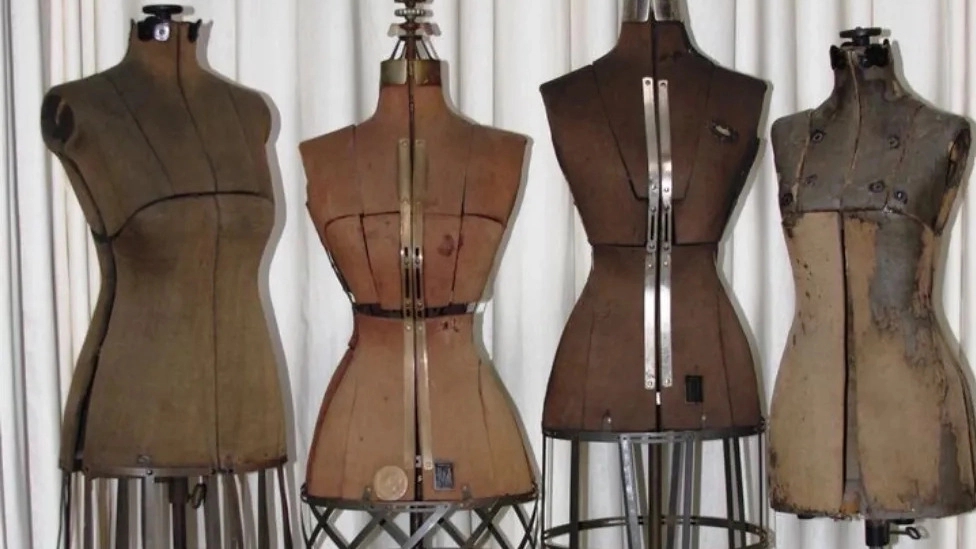
When we hear the phrase dress form, we automatically think of clothes, clothing stores, and body shape. Therefore, for those who are not familiar with this term, we can describe the concept of sewing mannequin simply. The shape of the mannequins is similar to the body of women or men, without hands and from the head to the thighs, which is installed on a metal base. Most of us know what form and nature sewing mannequins have today and what they are used for. What is discussed is how they were used and functioned in the past; In other words, in the most primitive part of the history of fashion and fashion, how were they?
The first sewing mannequins (dress form)
The first mannequin goes back to the beginning of the history of fashion, in the 20th century, most of them Wood or a kind of wax (solid wax) were produced. In the first place, they were used in tailoring for clothes and in tailoring and clothing industry. But the truth is that sewing mannequins were very short and their length is from the shoulders to the thighs. to have sewing mannequins and forms, which led to the conversion of shops into a clothes display space. Mannequins and forms entered the scene and are still present in shop windows. The use of mannequins in clothing and tailoring displays ultimately led to an increase in sales. In the early years of the 20th century, we can find the first sewing mannequins with legs and bare sewing mannequins. Before that, only the bust mannequin model was popular. Full-length sewing mannequins (with legs) were very large and could be used in three situations: therefore, so-called dress from sewing mannequins became "more human".
Transformation of mannequins
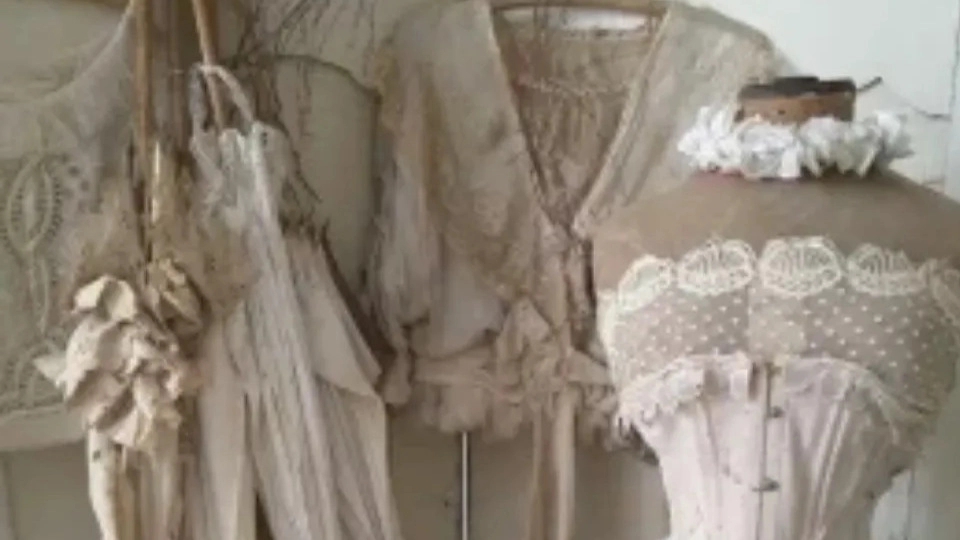
After the passage of time, the torsos and waists of the mannequins underwent changes. Sewing mannequins were mainly produced and known with very narrow waists. At the beginning of the 20th century, a mannequin with a very narrow waist was used to show the corset on the tailor's mannequin. When the Victorian era suddenly came to an end, a very important change occurred in the history of fashion. During this period, censoring of the female body decreased. This was exactly the moment when female sewing mannequins looked more like a woman's body was changing. A positive point for both clothing stores and buyers. Because they could better see the shape of the clothes or what they wanted, and they were placed in more attractive formats in the stores, attracting buyers. Some Christian women were shocked to see corsets displayed on mannequins. As a result, it created pressure on all shops so that clothes that do not have proper coverage are not displayed on mannequins. This law was canceled in the 1960s.
Change in appearance of mannequins
Another important time that caused a change in the shape and appearance of sewing mannequins; It was the beginning of a world war. With the involvement of men in the war front, it caused women in their social position to engage in laborious jobs such as production, which created many social changes in the type of clothing, forms and even mannequins. The female forms in the mannequins changed little by little and they did not have a narrow waist and became boxy. Corsets are obsolete and mannequins and dresses are more showing legs and hands. In fact, clothes realistically provided more freedom of action for women.
In today's fashion world, having a suitable sewing mannequin can show people and the ups and downs of fabric draping. which has given the designers a better understanding of the forms so that they can change or adjust them. Their design is such that they can show exactly how a collection hangs on a specific figure. Forms are available in different shapes and sizes so people can get a realistic picture of how the dress will look. Mannequin sewing is all about perfecting the art of making clothes. With a wealth of resources available to fashion designers and students, they now have more options than ever to bring the latest in fashion to a wider range of people.