
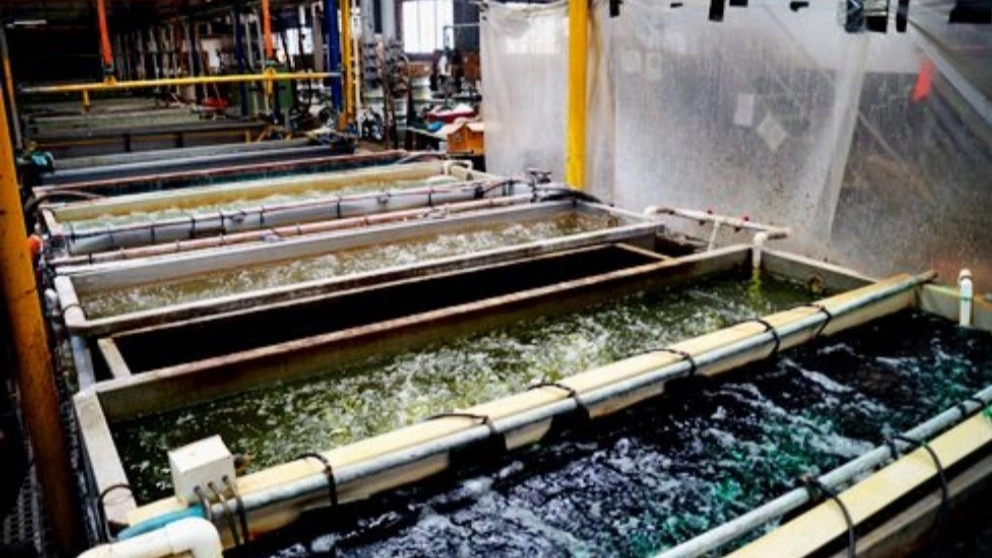
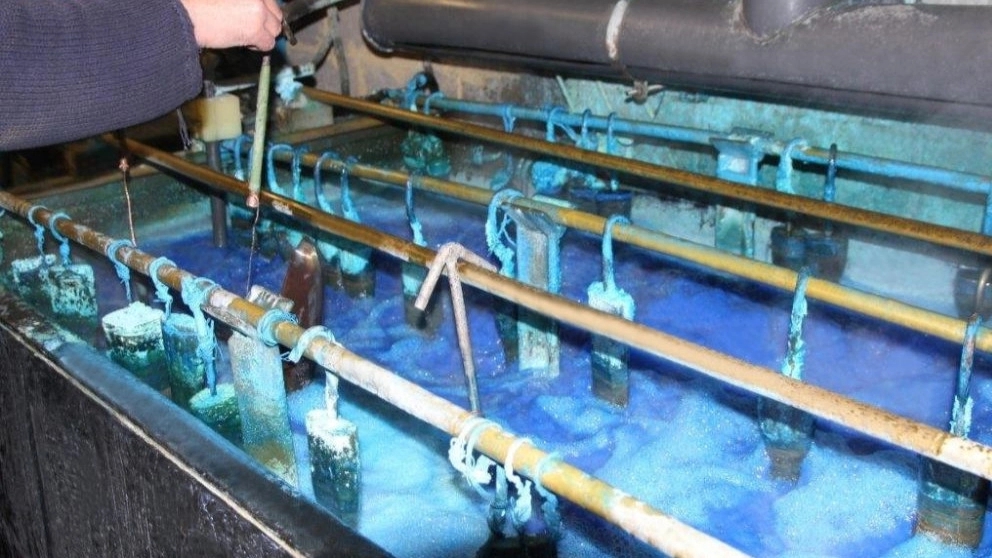
Nickel plating provides a unique combination of corrosion and wear resistance. Nickel plating can increase the brightness, shine and attractiveness of the plated metal. Nickel layers also provide excellent adhesion to subsequent coating layers, which is why nickel is often used as an undercoat for other coatings such as chrome. Nickel plating is done for decorative and industrial purposes.
Plating includes the use of a thin layer of metal or metal alloy, the purpose of which is to change the technical or physical characteristics of the surface of the coated material, such as electrical conductivity, increasing durability, It is to improve appearance and performance.
Nickel plating has been widely developed especially during the last 50 years and effectively enables a wide range of industrial coatings for decorative and functional purposes. Plated nickel is commercially important, with 150,000 tons of this metal used worldwide for plating each year.
This widespread use reflects the useful properties and versatility of nickel as a It is a covering material. One of the special features of electroplating is that by modifying the composition of the electrolyte and working conditions, the characteristics and appearance of nickel can be adjusted based on specific needs.
What is nickel plating?
In this method, a layer of nickel coating is deposited on another surface using a controlled chemical or reduction process. Nickel coatings are very uniform even in complex shapes. The most common use of this method is to make hard disks for computers, but it is also used to metallize plastics for electroplating, car brake cylinders, pumps, valves and other engineering products. Nickel plating combines wear and corrosion resistance with excellent adhesion to all metals, especially metals such as aluminum, which is very important in the automotive and aerospace industries due to its light weight.
How is nickel plating?
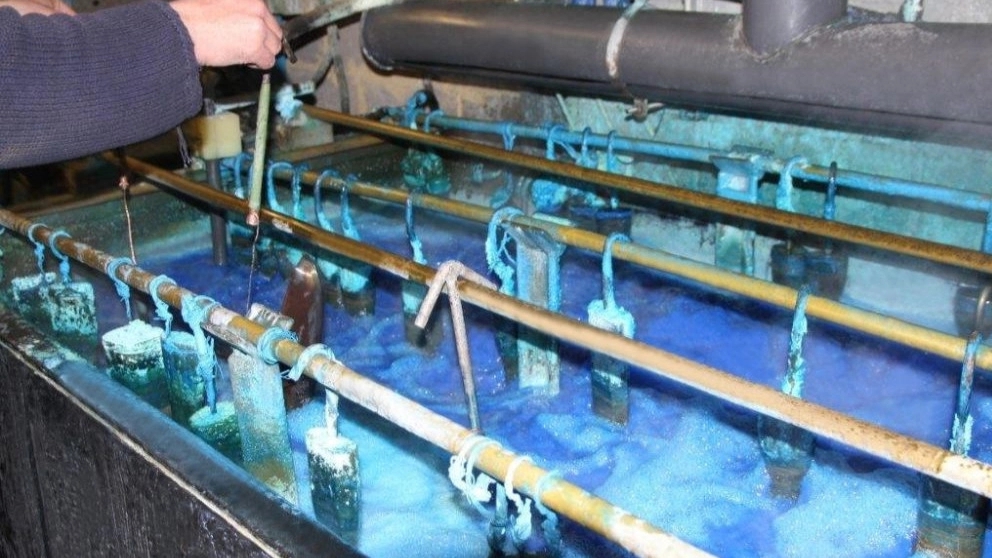
To properly transfer nickel to the surface of a product, a negative charge must be applied to the base material. To achieve this, the product is typically connected to a rectifier, battery, or other power source via a conductive wire. After the connection, the rod made of nickel is connected in a similar way to the positive side of the rectifier or power source.
After the initial steps are completed, the base material is immersed in a solution that contains a salt with a chemical composition. Among them is plating metal. For electro-nickel plating, this solution consists of nickel chloride salt and water. Due to the electric current in the solution, the nickel chloride salt is decomposed and converted into negative chloride ions and positive nickel ions. Then the negative charge of the base metal in the cathode attracts positive nickel ions, so the nickel in the rod is oxidized and dissolves in the solution, and the base material is absorbed and subsequently covers the product.
Nickel plating
Glossy Plating
In this method, due to the presence of a large amount of sulfur, the finished work will have a mirror-like electrical finish and offer good conductivity, but not as much as other nickel-plated materials. It is not conductive or resistant to corrosion. However, it is quite suitable for hiding polishing lines and any other defects on the surface of a material.
For a clean and bright product, steel, aluminum, copper, brass and iron can be used. Also, this method is ideal as a base for other plating coatings to increase shine.
Electrolytic plating
Unlike other forms of nickel plating, this method with An autocatalytic reaction is used and no electric current is used. Due to the shape of the part, it is effective for a uniform coating and can be deposited on non-conductive surfaces. This method is ideal to prevent corrosion and wear and anything that requires high hardness, and it can be done on plastic and all kinds of metals. br>
The properties of nickel sulfamate or matte plating are similar to glossy plating, but it has a matte, non-glossy color. This method is covering and flexible and shows significant resistance against corrosion. This coating can create a thickness that is useful for abrasion and dimensional correction purposes and is used for tin plating, silver plating and gold plating.