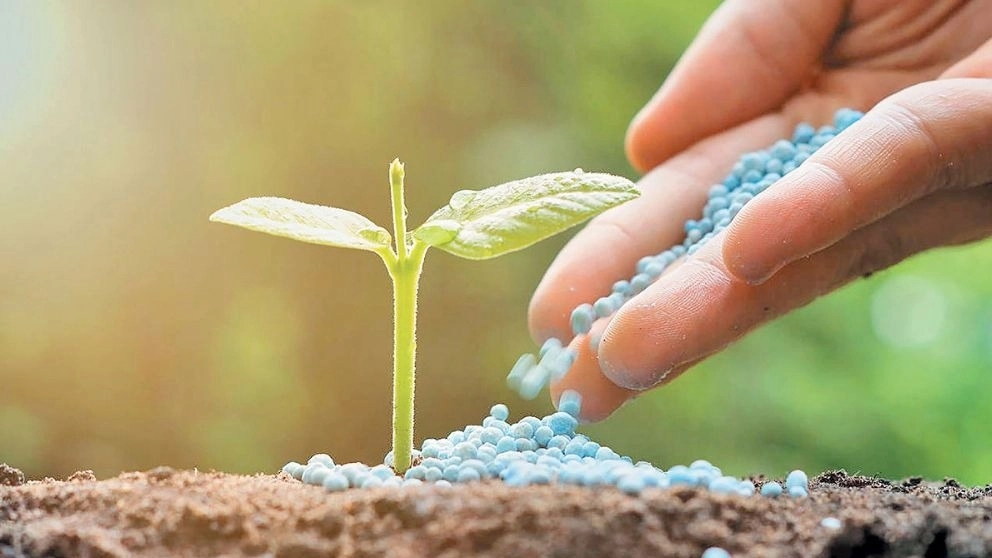


What is a fertilizer?
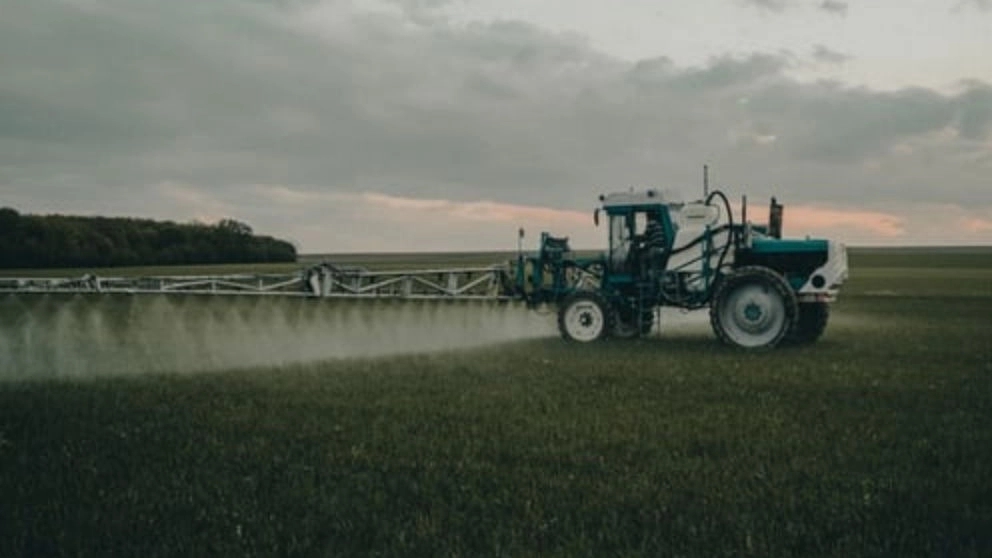
Agricultural pesticides enter the food chain through direct use by humans on plants. After being absorbed by plants or animals that eat the plants, they are left behind. There is a maximum residue limit for crops and animals. It can also be used when the organism carries water that contains runoff and soluble pesticides to the body. This can be further extended to humans who eat fish. An easier way for humans to ingest pesticides is directly through contaminated drinking water from those contaminated streams.
☑️ Its impact on human health
It is estimated that 2.2 million people are at risk due to exposure to agricultural pesticides, the majority of this population is located in developing countries.
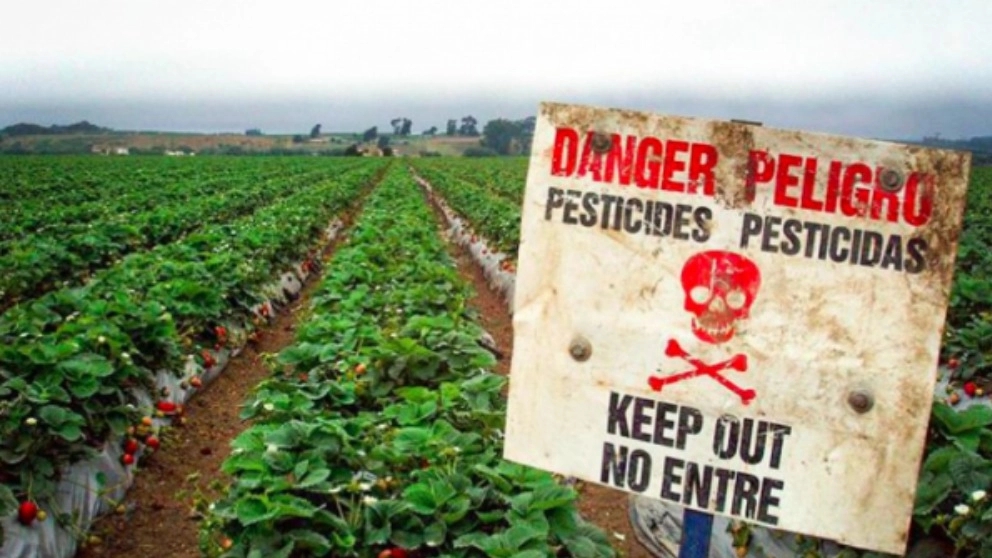
Pesticides can enter the human body through inhalation, ingestion or skin penetration. Those who do not work with agricultural pesticides are at greater risk if they do not wear appropriate clothing or have broken or leaking equipment. Most of the average citizen who is affected by pesticides receives pesticides by consuming food that has been contaminated with a pesticide. "In 1958, all members of the family of a local chief who is a prominent cocoa farmer in Okebode in southwestern Nigeria were hospitalized after eating the underleaves of a cocoa crop that had previously been sprayed with lindane. In 2004, residues of the pesticide carbofuran in several categories of produce in Nigeria may have resulted in 23 reported cases of vomiting and one death.
☑️ Classification of pesticides
The wide variety of available drop caches is an important reason for the necessity Their classification is appropriate. Most of these categories are based on various factors such as the type of target pest, the performance of the insecticide, the type of chemical substance and its toxicity level.
pesticides are usually classified into thirteen types based on the type of target drop, insecticides, Herbicides, rodenticides, fungicides, acaricides, algicides, aviicides, bactericides, anthelmintics, snailicides, phenmatocides, fishicides and growth regulators that are on Plants and insects are effective.
☑️ Performance
Contact drop buffer:This type of drop buffer controls the drop based on direct contact with the drop. For example, in the case of plant herbicides, in order to eliminate weeds, a sufficient surface of weeds must be covered by the desired herbicide.
Systemic herbicides: This type of herbicides is absorbed through a part or part of the plant and then spreads to all parts of the plant and eventually causes the plant to die. In the case of systematic insecticides, it is absorbed through the plant's roots and then transferred to all its parts, thereby killing the insects that feed on the plant.
Based on the type of chemical composition: this classification is based on the structure of the chemical compounds in the anti-inflammatory formulation. Based on this, the drops placed in the same group have similar instructions for first aid, cleaning and safe use. This category can include: organophosphate pesticides, carbamate pesticides, organochlorine pesticides, triazine pesticides, phenoxy pesticides.
Classification based on the level of toxicity: based on the classification of the World Health Organization WHO, pesticides are classified into four groups based on the level of LD50, the level of pest risks
☑️ List of agricultural pesticides
The following list introduces some of the most important agricultural poisons:
delta meter
Amitraz
Permethrin
Diazinon
Chlorpyrifos
Endosulfan
Methyl oxydimetone
Cypermethrin
Pyroxymate fan
Fenpropatrine
Fan Valerit
glyphosate
Paraquat