The Benefits of Use of Refrigerator
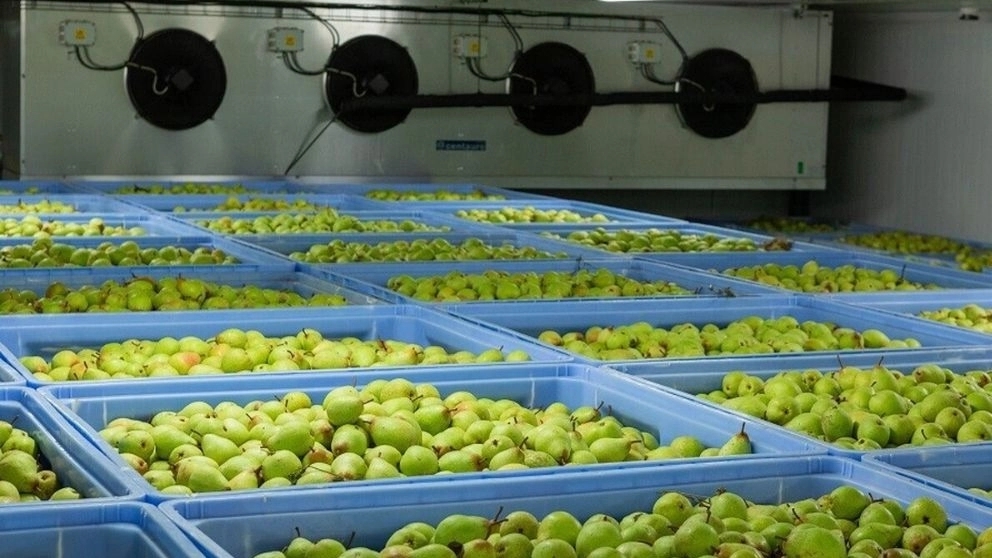
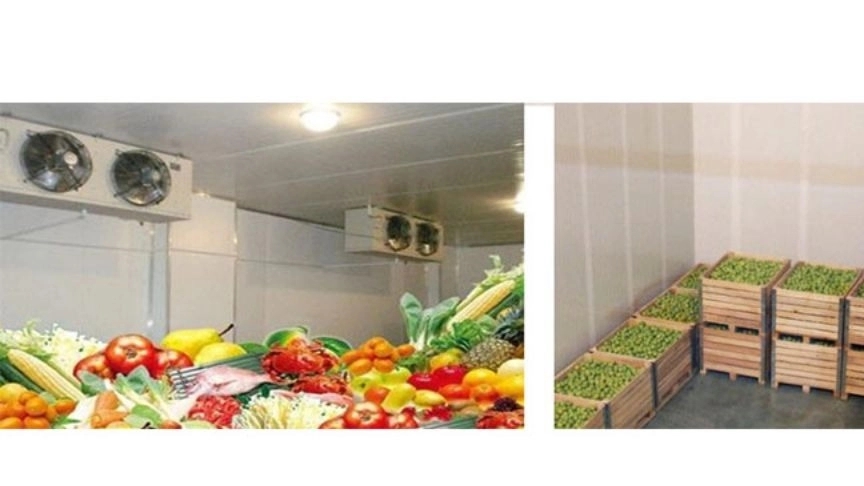
Without refrigeration, most fruits and vegetables will not stay fresh for more than a few days. As soon as fresh produce is harvested, it begins to spoil and dangerous bacteria begin to grow. Low temperatures in cold storage units stop the growth of these pathogenic fungi and ensure that spoilage of fruits and vegetables is minimized. Refrigeration and blast freezing is a popular option for many vegetables and some fruits. Fruits and vegetables, as an essential part of our diet, need proper and proper storage so that they do not lose their quality and nutritional value in the long term. One of the best ways to store these foods is to use a refrigerator. Cold storage is a suitable environment with controlled temperature and humidity that can maintain the quality of fruits and vegetables and increase their shelf life.
Fruit and vegetable cold storage Another clever benefit of cold storage units is that they are highly adjustable, which is very important when storing fresh fruit and vegetables. Temperature and humidity levels can vary greatly between productions, making customization necessary. There are also fruit and vegetable refrigerators in different sizes. From mini chillers that are suitable for food preparation to mega cold storage units built for large distributors. Whether you are looking to extend your commercial refrigeration or are considering branching out into the fruit and vegetable market, a portable cold storage container will increase The life of the product is in storage and transportation.
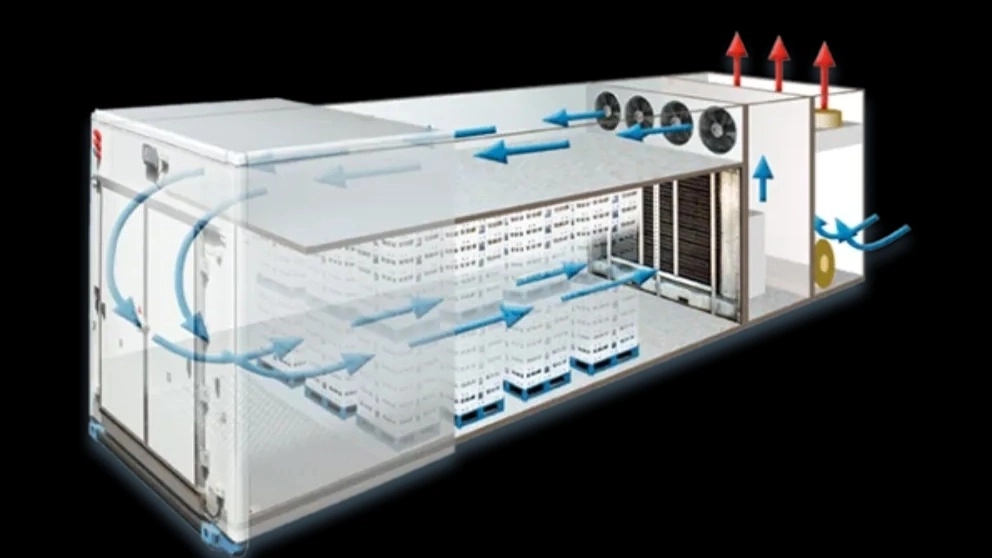
Refrigerated containers Refrigerated containers come in various sizes from 10 feet to 45 feet and their temperature range is from -40°C to +10°C. Most cold storage units are mobile and can be used for safe transportation of goods. Mega container coolers are also a popular option for larger companies. Refrigerated containers are a popular tool in the food storage and transportation industry. These containers are made of resistant and insulated materials and have cooling systems that allow them to maintain the temperature of food in the desired temperature range (usually in the refrigerator temperature range). One of the main uses of refrigerated containers is food transportation. to stores, restaurants, supermarkets, or distribution centers. These containers are typically used to transport food over long distances from the origin to the destination, without reducing the quality and freshness of the food along the way. By using refrigerated containers, perishable food such as meat, fish, vegetables, fruit, dairy products, etc. can be transported safely and with quality. Also, these containers are used as an effective tool for temporary food storage in emergency situations, such as during holidays or natural disasters.
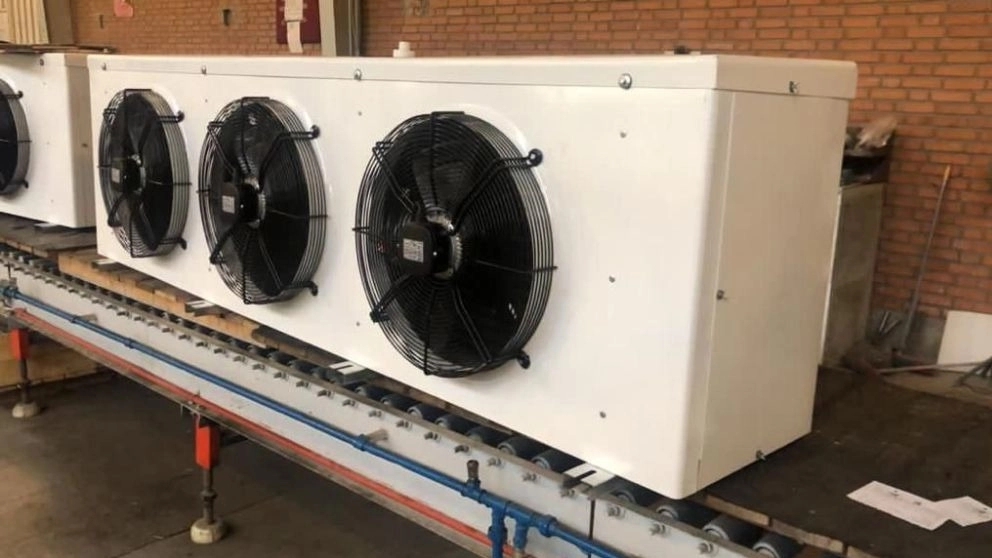
Blast freezers and chillers For businesses looking to produce and distribute frozen fruits and vegetables, blast chillers are a good option. With a low temperature of -40°C, you can freeze all kinds of fruits and vegetables. Blast mini freezers are also suitable for food service or smaller businesses with limited space. Freezers and blast chillers are two vital devices in the food preservation industry that are used to create and maintain the right temperature for food. Through the cooling process, these two devices can keep fruits, vegetables, meat, fish, curds, desserts, and other food at ideal temperatures to prevent premature spoilage and loss of their nutritional value. Freezers are mainly They are used to keep food at negative temperature and store them for a long time. These devices are usually installed in warehouses or large spaces and are usually used for products such as meat, fish, frozen vegetables and other food items.
Important Tips on Keeping Vegetables in Markwork
Class A cold rooms are ideal for use as sanitary areas for food processing and fresh produce storage. Cold rooms are a great solution for any business looking for custom cold storage and ideal fresh produce storage. As you know, storing fruits and vegetables can be a complicated task, which is why it is necessary to follow the best cold storage methods for the shelf life and quality of fruits and vegetables. Most fruits produce a hormone called ethylene when they begin to ripen, and this changes the texture, color, and flavor of the produce. Unfortunately, ethylene-producing fruits also affect all surrounding crops and accelerate the ripening process. If fruits are stored next to vegetables, there is a risk of accelerating the aging process of the product and thus food waste. Because this increases the internal temperature and increases the speed of product spoilage. Fully packed pallets should also be avoided, as crushing may encourage bacterial growth. Pack your fruit and vegetables in such a way that there is enough space for the cool air of the fan to flow freely. Distributors need to know the history of fresh fruit and vegetables to make the best decisions about cold storage and shipping conditions. This includes factors such as product maturity, previous product procurement, previous quality inspection and product grading.