

What is Food Distribution and How is it done?
Distribution of food has been one of the issues that different societies have faced since ancient times. How can you get food from its source to the people who need it without spoiling? has been How to get avocados from California to Canada? Or how does blueberry get from Europe to Iran's food markets? The short answer to these questions is nothing but the advanced food distribution system.
How is food distribution done? In general, food distribution agents are responsible for storing and transporting food in order to reach the hands of food service agents and are producers. Some of these distributors focus on specific food products such as seafood, fruits or vegetables. Some of these companies may work for a specific manufacturer. Most food distributors operate independently, which enables producers to meet their needs by simply working with a food distributor. Some food distributors sell their food over a period of time. they keep it in the warehouse for a short time; Other distributors may use refrigerated trucks to carry goods directly to consumers. The duration and method of transportation depends entirely on the type of food being distributed. Some food distributors may sell their products in the market. Consumers of food usually buy products directly from distributors, instead of sourcing their needs from producers; because distributors are usually the ones who provide food to restaurants, coffee shops and other food centers. Consumers may meet their needs by purchasing directly from producers, in which case the food distributor It only prepares their orders for these centers. Mainly food distributors provide products directly to food centers; This makes food product manufacturers focus on the quality of their products instead of worrying about keeping and acquiring new customers.
What are the different types of food distributors?
Distributors dedicated to cash and in-person purchases (buy and take away)
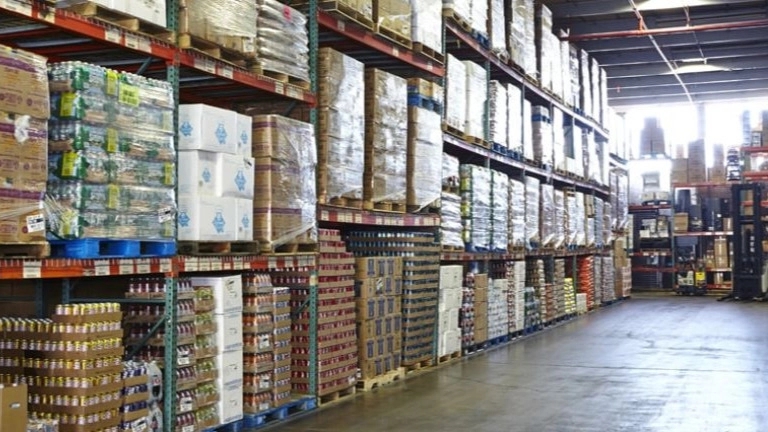
Cash and in-person distributors do not carry products. They usually own warehouses and allow users to come to these warehouses, choose their product, buy it and take it out of the warehouse. These distributors are usually the target of restaurants, food producers or private centers.
Redistributors
Redistributors do not sell products directly to food centers, but the products directly. They buy from manufacturers and sell a small amount of these goods to sub-distributors who do not have the ability to buy bulk products. Usually, the small load of the truck carries the distribution company's products to be available to smaller restaurants and various food centers.
Specialized distributors
Specialized distributors focus on specific product categories. he does. He uses any advanced tools to maintain his special products. A goods distribution company usually cooperates with special food centers such as halal restaurants and clean eateries in European countries so that these centers do not have to worry about contamination and the halal quality of their products. Although these restaurants may be small, the need for such distributors is essential.
Male Distributors
Male distributors are the most common type of food distributor. These distributors usually deal with thousands of products in large quantities, so they usually work with supermarkets, chain stores, and large grocery retailers. Usually, these distributors consider discounts or special benefits for high volume purchases. Since the relatively small food centers are not big enough to be able to use these discounts, usually the organizations form a group purchase so that they can use the discounts that these distributors give as a group.
Food transportation distance
The term "food transportation distance" means the distance that food is transported from the place where it is produced to the destination where it is eaten or consumed. For example, one study indicates that fruits and vegetables grown in the United States typically travel 1,500 miles to be sold. In order to worry about public environmental health, they are investigated. Vehicles that use fossil fuels cause oil reserves to decrease, reduce air quality and cause greenhouse gases that lead to climate change. In most cases, buying local food reduces these disadvantages by reducing the distance that food has to be transported. If devoted to providing food for the 8 million population of this city, this food can only provide half of the city while the other half of the state will suffer from food shortages. An adult human usually consumes one ton of food in a year. The number of people who live in a neighborhood may be high and the agricultural land may not be able to meet the needs of these areas. In the provinces located in the north, food production usually stops in the cold season. . If the people in these areas were to survive on food alone, the choices available to them would be very limited unless they were using fruits and vegetables they had stored from the previous winter. Another way is to send food from tropical regions or southern regions that have a good variety of food in the cold seasons of the year to the northern states. Some regions have better efficiency for food production compared to other regions.
Final word
Big stores such as supermarkets, chain restaurants and food supply centers for schools, hospitals and other institutions rely on distributors in order to provide the food they need to prepare their food. For example, a supermarket does not have time to go to different farmers and factories to fill its shelves. At the same time, a farmer can rarely provide all the products needed by a large store and provide it directly. A food distributor receives products from various manufacturers and sells them wholesale.