


Familiar with resin and its properties:
Epoxy resin or resin is a material that can be used for different purposes and it is difficult to mix two components that complement each other. If the liquid resin is mixed with a suitable hardener, a chemical reaction begins that usually lasts several hours. After the components are mixed together, not only heat is generated, but the material also changes from liquid to It becomes a solid/cooked state. Usually, the mixing ratio of resin to hardener is 1 to 2 so that the materials work well.
Many people who hear or read about it for the first time ask themselves this question: What is resin? This question can best be answered by mentioning its special properties. The properties mentioned below refer to the state of hardening after mixing and curing. )
❁Usually low shrinkage during liquid-to-solid transformation
❁Density values about 1.2 grams (per cubic centimeter)
❁Good UV resistance
❁Approximately Adheres well to all materials (e.g. wood).
❁High thermal resistance
❁Works as an electrical insulator
❁High acid resistance
❁Good weather resistance in outdoor areas
What is epoxy resin used for?
Epoxies are used in a wide range of consumer and industrial applications due to their durability, strong adhesion, chemical resistance, and other specialized properties. Basically, epoxy resin is very versatile and can be used for many different types of art projects and industries. . The following examples are just a few examples of the artistic uses of this material:
✨ Arts and crafts:
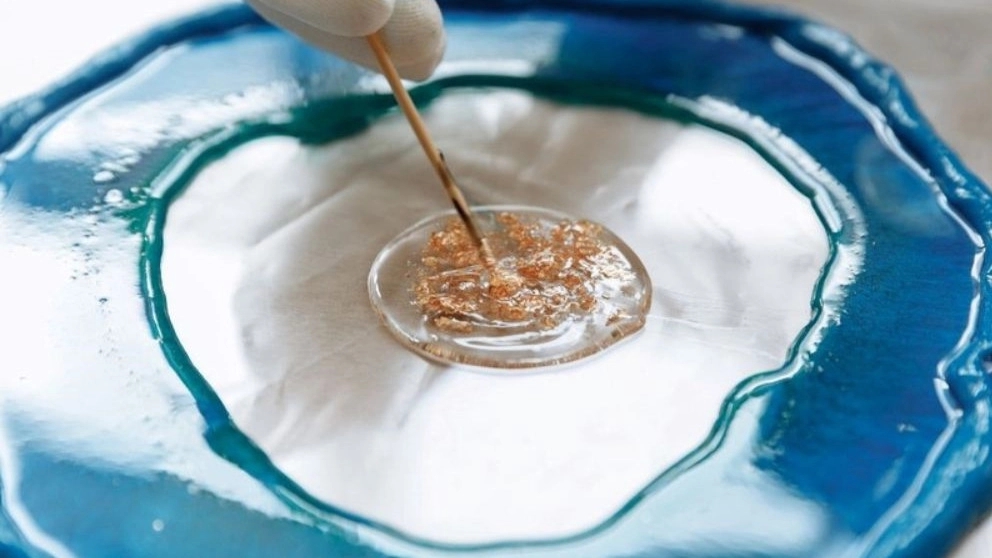
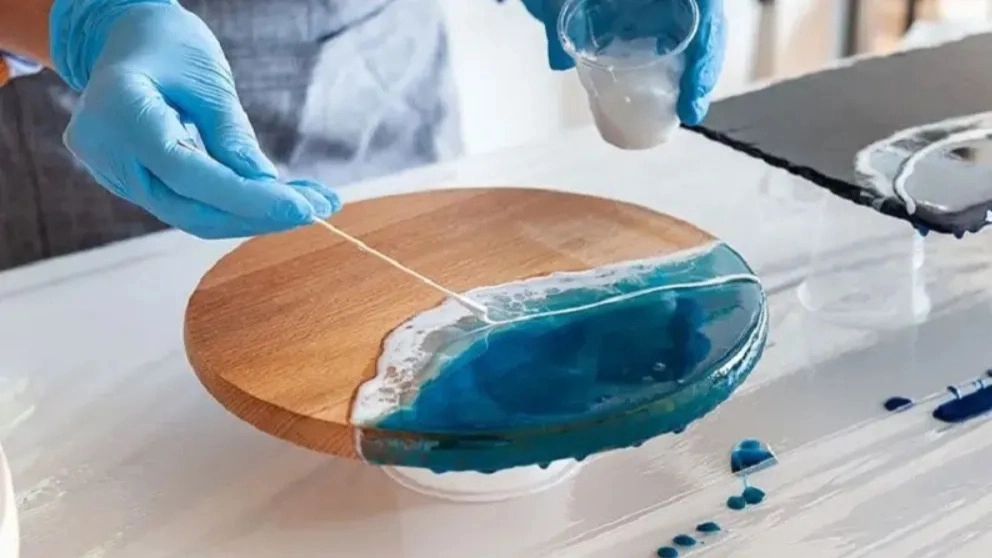
Epoxy resin and wood-like pieces. Cutting board and table
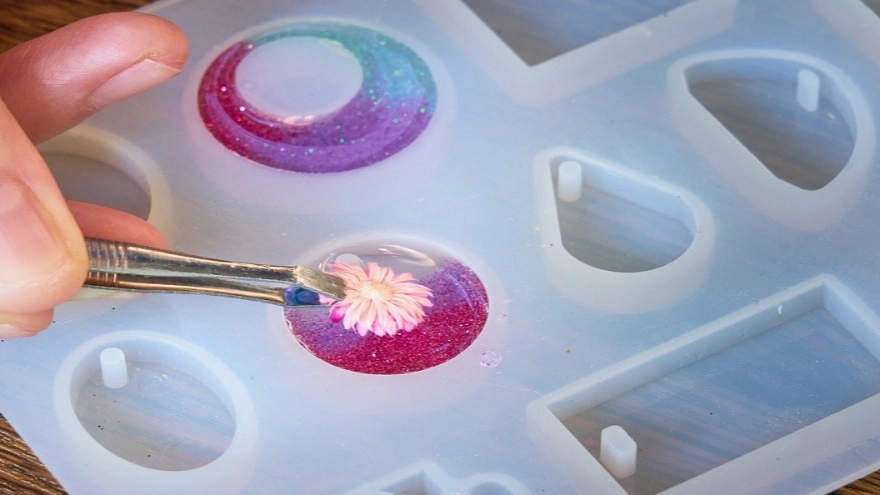
Ornaments made of epoxy resin
Epoxy resin art objects such as art pictures
Mold and figure casting
Decorative objects such as resin geodes and resin containers
✨ Building and construction:
Epoxy resins used in building and construction applications can increase the life of buildings by increasing the durability of structural parts, engineering adhesives and paints. and reduce the need for restoration and painting.
✨Paints and coatings:
Paints reinforced with epoxy dry quickly. and create a durable and protective cover. They are useful for applications such as wrought iron, cast steel, and cast aluminum, and are used to support metal coatings by helping them resist impact damage. Epoxy coatings include anti-corrosion primers and wear- and fire-resistant coatings.
✨ Flooring:
Epoxies play an important role in flooring applications, especially in environments that require sterile surfaces, such as medical settings and food processing equipment. The durable nature of epoxies means that epoxy-coated floors can be disinfected using stronger cleaning products.
Epoxies are also used in decorative and high-performance flooring such as laminate, chip, and colored stones are used.
✨plumbing and pipes:
Epoxy resins for making pipes and composite tanks and as coating Used for traditional steel products. Since epoxy pipe coating is durable and resistant to chlorine and microbes, it can be a good alternative to replace old pipes. High-performance adhesives: /p>
High performance epoxy adhesives can be used to create laminated wood for decks, walls and ceilings. Epoxies are usually more resistant to heat and chemicals than many adhesives and can stick to wood, metal, glass, stone and some plastics.
✨Car:
b>
Epoxy coating technology has been used on vehicles for over 30 years. A thin, corrosion-resistant epoxy-based coating can be applied to the vehicle body as a primer, then dried and covered with a top coat that protects the primer from UV damage. Epoxy resins can help create adhesion to metal and resist rust and corrosion on the car body and other metal parts. The use of epoxies in vehicles can also help reduce the weight of vehicle components and help increase fuel efficiency and reduce CO2 and other pollutants. /b>
Epoxy resins have been used in food packaging since the 1950s, creating a protective layer to separate food and beverages from the metal used to make the cans. This can damage the safety of their contents as well as the freshness and nutritional value of the food. Epoxy-coated cans can last longer, so consumers can store food for a longer period of time. Epoxy resins also make it possible to export local seasonal foods year-round while helping to preserve flavor, texture, and color.
Glass packages, such as those used in food canning, are usually Epoxies are relied upon to protect metal doors from corrosion.
✨Sports Equipment:
Epoxy resins can be used for sports equipment such as tennis rackets, skis, golf equipment, hockey sticks, fishing rods and poles, kayaks and lighter bicycles, become stronger and more durable. Resin coatings are applied to boats because they are excellent adhesives that absorb moisture and are very resistant to wear. Aerospace: Epoxy resins in aerospace for Aircraft and satellite systems are used as adhesives for reinforcements such as glass and carbon, helping to make them stronger and lighter. They can also be made to withstand the extreme temperatures of aircraft and can help structural components last longer.
Investigating the different properties of epoxy resin in its different types:
- Viscosity
- Maximum thickness of the layer that can be poured in each process
- Duration of the baking process
- Adhesion properties on different surfaces and materials
- Degree of hardness after Drying
We want to show you what aspects you should pay attention to when buying epoxy resin so that you have exactly the right material available for your desired project.