

What is the importance of the necessary medical equipment in each home?
Lack of exercise, stressful life and other unhealthy habits are the most important causes of common diseases such as diabetes, blood pressure, obesity and heart diseases. Everyone should monitor their health daily or at least weekly. This work may not be possible for everyone despite their busy schedules. But medical science has advanced and you can have several medical devices at home to check your health status. This issue has increased the need to increase awareness about the necessary medical equipment at home and how to use them. Therefore, it is absolutely necessary to regularly monitor the four vital signs in the body system, i.e. body temperature, blood pressure, heart rate or pulse, and breathing rate. Constant monitoring of blood sugar levels and body weight changes is equally important.
Furthermore, medical emergencies can arise at any time. This is a fact that we all know. Therefore, to deal with emergency situations, it is necessary to have some medical equipment at home so that you can use them when necessary to assess the initial condition of the patient.
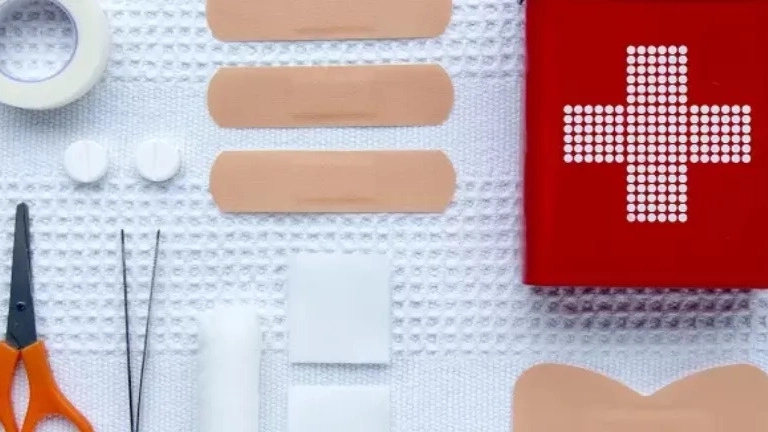
The first aid box
An organized first aid kit is one of the medical equipment that can help you save a life. It is recommended to participate in first aid training courses to acquire the necessary knowledge and skills to provide first aid.
After using the items in the first aid box, replace the contents of the box as soon as possible. Check the first aid kit after each use or once every 12 months if not used. Make sure the equipment is in good condition, not damaged, and not expired. Make sure the sterile items are still sealed and sterile.
What are the first aid box?
- First aid manual
- Sterile dressing gauze in different sizes
- Adhesive tape
- Bandage in different sizes
- Bandaging
- Disinfectant wipes
- Antibiotic ointment
- Disinfectant solution (such as hydrogen peroxide)
- Acetaminophen and ibuprofen
- Tweezers
- Scissors
- Instant disposable cold packs
- Alcohol wipes
br>- Non-latex plastic gloves
- Flashlight with extra battery
- Thermometer
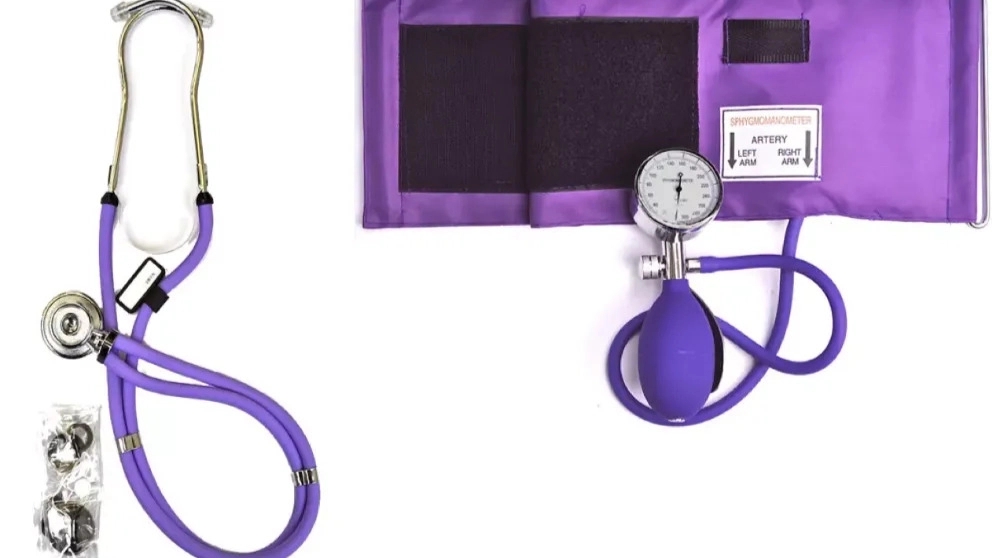
Blood pressure measuring device or barometer
If you suffer from high or low blood pressure, you can avoid going to the doctor every day by using a blood pressure measuring device. It is recommended to make a list of your blood pressure readings and show your doctor the recorded blood pressure numbers regularly. Sphygmomanometers are also helpful for monitoring the effectiveness of prescribed drugs. It is recommended to measure blood pressure every day at a certain time.
Blood glucose measurement device (glucometer)
Another necessary medical equipment at home is a glucometer. A glucometer is a portable electronic device that measures blood sugar levels in a small drop of blood, usually taken from a fingertip. It is necessary to have a glucometer in the home of people with diabetes. Patients should actively and regularly monitor their blood glucose levels. This device has reduced the need to visit the doctor daily and patients can easily use it at home. Self-testing of blood sugar can be an important tool in managing the treatment plan and preventing diabetes complications.
The thermometer
Although a thermometer may seem like a basic piece of medical equipment, you should have a good quality thermometer on hand. The importance of the thermometer increases during the flu season. A thermometer helps you measure your body temperature. If you notice a temperature higher than normal, which indicates a fever, you can immediately take necessary precautions. Fever is a sign of the body's fight against infection. The thermometer is available in two forms: digital or mercury.
Nebulaner
A nebulizer is a device that converts medicine from liquid to fine dust to make it easier to inhale the medicine into the lungs. Basically, nebulizers are used to treat asthma, COPD or chronic obstructive pulmonary disease, cystic fibrosis and other respiratory diseases. This device effectively delivers asthma medicines to the lungs of people with asthma, especially babies and children. It usually takes 5 to 10 minutes for the drug to reach the lungs.
Nebulizers for inhaling drugs such as corticosteroids to fight inflammation (such as budesonide, fluticasone, and triamcinolone) and bronchodilators to open the airways (such as albuterol , formoterol and salmeterol) are used.