What is the accessory in decoration?
Interior design is an art form that focuses on the functionality and aesthetics of a space. It is focused. The overall design of a space includes the use of different elements such as color, texture, light, furniture and accessories. Accessories play an important role in interior design because they can transform a space from ordinary to extraordinary. Accessories are decorative items that can be used to make a room look more beautiful. This article examines the role of accessories in decoration, the importance of accessories in home decoration, tips and tricks to accessorize the home, how to use accessories to make the decoration more beautiful and decorating with accessories:
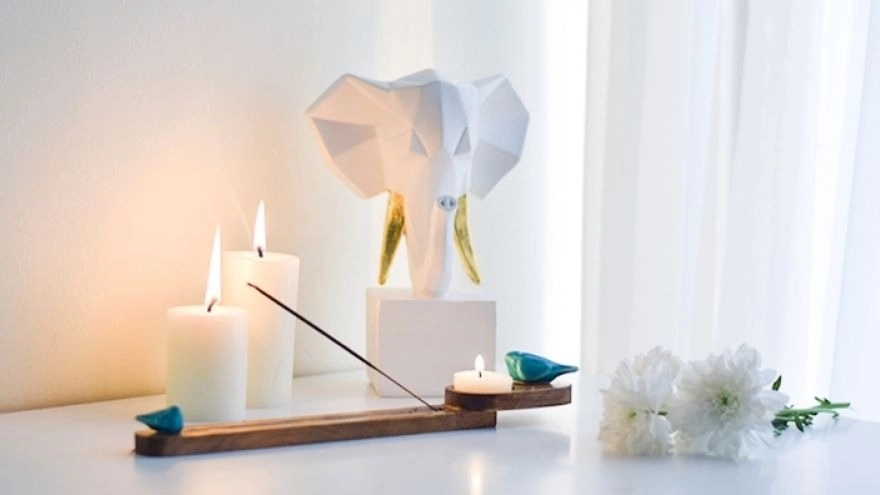
☑️ The role of accessories in interior design
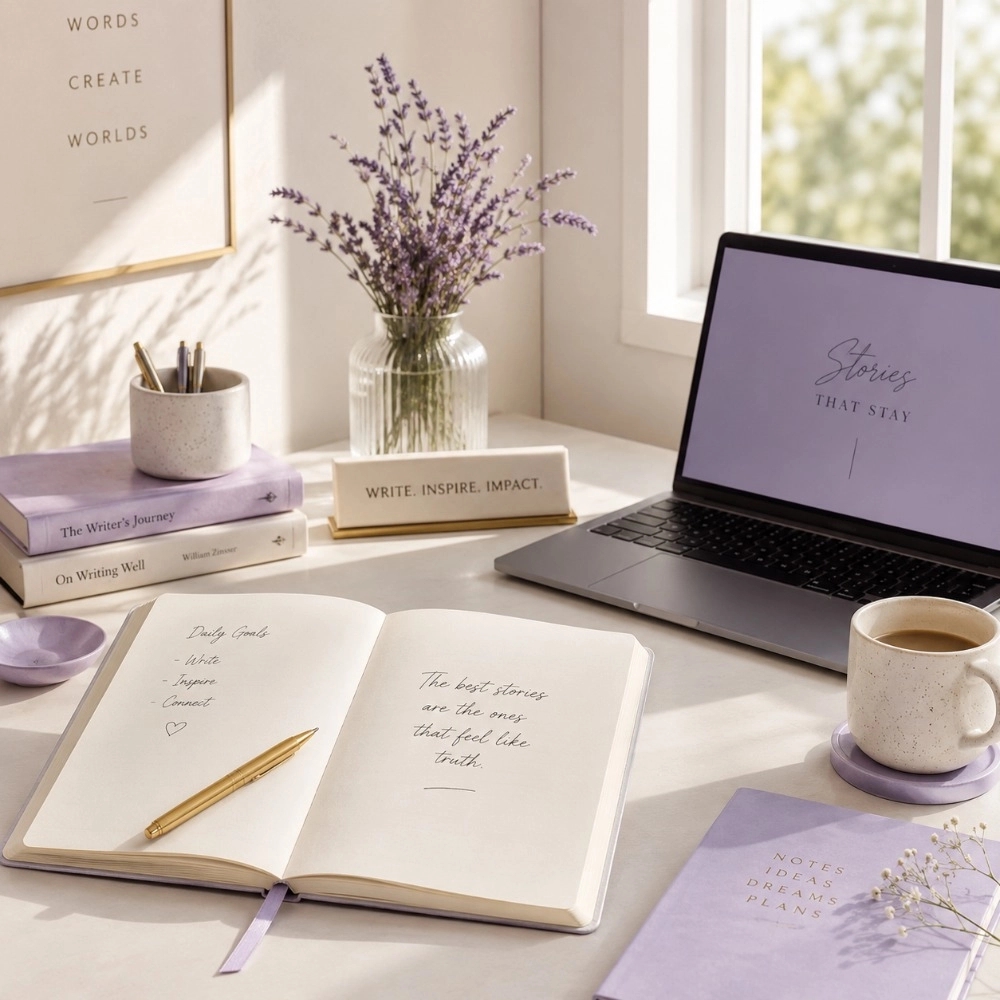
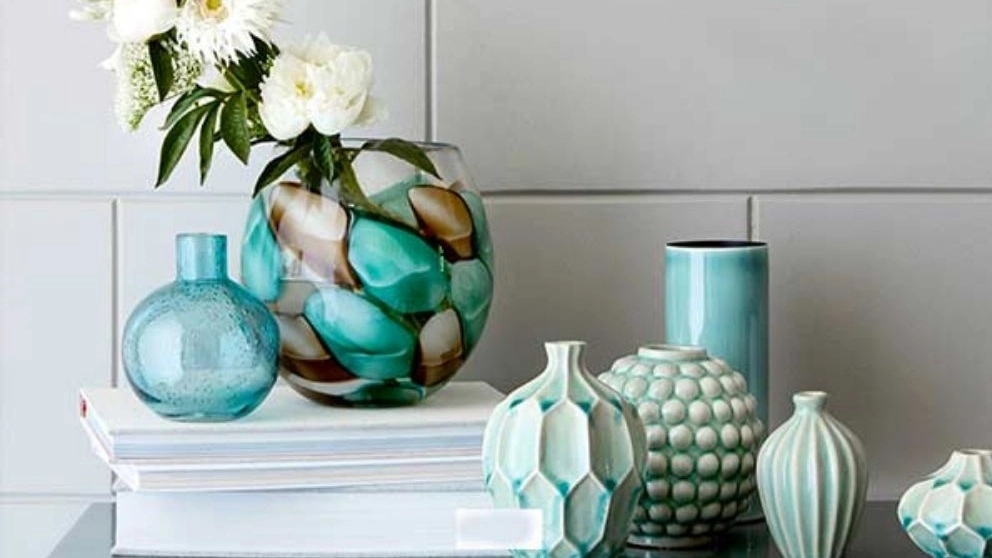
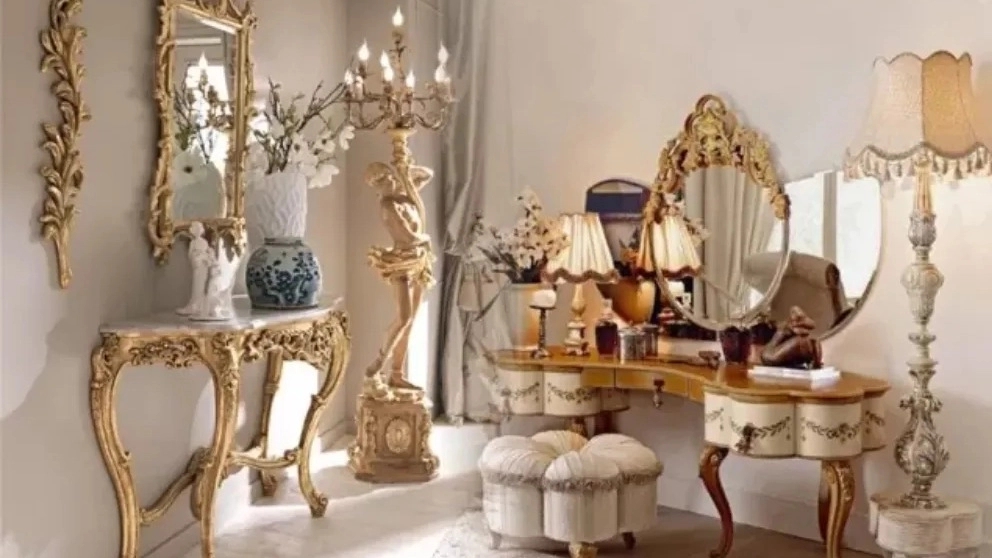
Accessories are an integral part of interior design because they give the final touch to a space. Accessories can be used to improve the overall design of a room by creating balance, harmony and coherence. Accessories are items that are not essential to the function of a space, but add to the overall look and feel of a room. Accessories can be used to complement the style and color scheme of a room, add texture and interest, and create focal points.Accessories Can be generally divided into two groups: decorative accessories and functional accessories. Decorative accessories are items used solely for aesthetic purposes, such as artwork, sculptures, vases, and decorative pillows. Functional accessories, on the other hand, are items that serve a purpose in addition to their aesthetic value, such as lamps, mirrors, and rugs.
The importance of accessories in home decoration
Accessories are important in home decoration because they give personality to a space. Accessories can be used to express the style and taste of the home owner. They also make the room more attractive and comfortable. Accessories can be used to create a special mood in a space. For example, candles, soft lighting and cozy throws can create a warm and welcoming atmosphere in the living room.
Accessories can also be used to update the look of a room without a major renovation. Updating accessories in a space, such as changing decorative pillows or adding new artwork, can completely transform the look of a room. Accessories are also relatively inexpensive compared to other design elements such as furniture or lighting, making them a cost-effective way to update a space.
☑️ Your Home Accessories: Tips and Tricks
Accessorizing your home can be overwhelming, but there are tips and tricks to make it easier. First, consider the style of your home and choose accessories that complement it. For example, if you have a minimalist home, choose stylish and simple accessories. If you have a traditional home, choose accessories that are decorated and decorative. Second, choose a color scheme and stick to it. Accessories should complement the color scheme of a room, not clash with it. When choosing accessories, consider the color of the walls, furniture and flooring. Use accent colors sparingly to create visual appeal. Third, create focal points in a room with accessories. A focal point is an interesting visual element that draws the eye. This can be achieved with artwork, an ordinary piece of furniture or a collection of accessories. Be careful not to create too many focal points in one room, as it can create a cluttered look. Fourth, use accessories to add texture and interest to the room. This can be achieved with textiles such as pillows, throws and rugs. Texture can also be added with decorative items such as baskets, vases, and sculptures. Finally, use lighting to enhance the look of accessories. Light can be used to highlight artwork or create a cozy atmosphere. Use a combination of ceiling lights and lamps to create a warm and pleasant atmosphere.
How to use accessories to make your decoration more beautiful?
Add visual interest and create a cohesive look. Here are some ways to use accessories to spice up your decor:
Use a mix of textures: Accessories can add texture to a room and make it feel more comfortable and attractive. Mix different textures such as velvet, linen and leather to add depth to the space.
Adding pops of color: Accessories can be used to add pops of color to a room. Choose one or two accent colors and use them throughout the space. This creates a cohesive look and draws the eye to the most important elements of the room.
Create a focal point: Accessories can be used to create a focal point in a room. Choose a statement piece, such as a large piece of art or a unique sculpture, and build the rest of the accessories around it. This creates a cohesive look and draws attention to the most important element in the room.
Layer Accessories: Accessories can be layered to create a more attractive and dynamic look. Place decorative pillows on the couch or bed, or combine vases and figurines on a shelf. This creates a more interesting visual space and adds depth.
Use lighting to highlight accessories: Lighting can be used to highlight the most important accessories in a room. Use spotlights or path lighting to highlight artwork or decorative objects. This will draw the eye to the most important elements of the room and create a more impressive appearance.
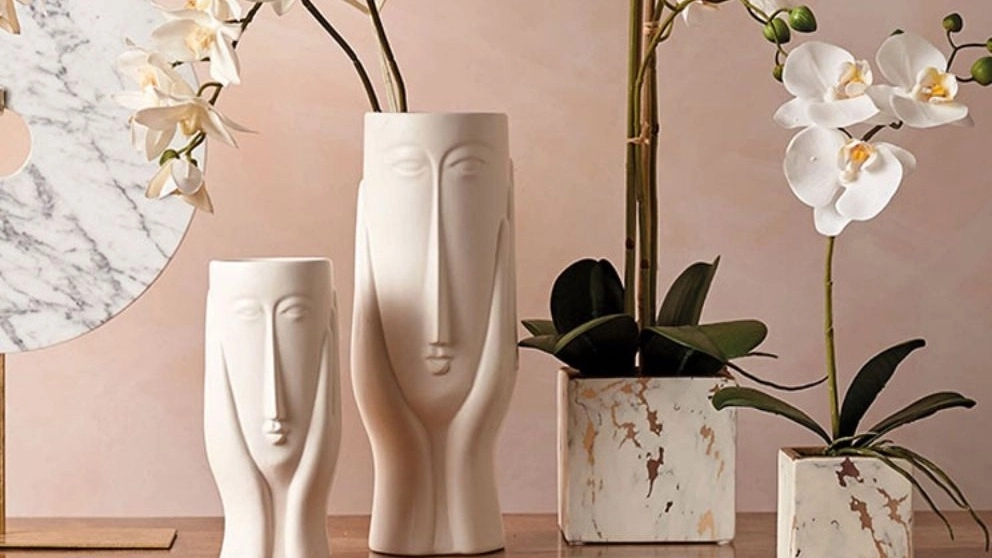
☑️ Decoration with accessories
There are endless ways to accessorize. Here are some ideas and inspiration to get you started:
Gallery Wall: Create a gallery wall by grouping artwork and photos. Choose a theme or color scheme and mix and match different frame sizes and styles.
Statement rug: Use a statement rug to anchor a room and increase visual appeal. Choose a rug with a bold pattern or color to make it the focal point of the room.
Decorative pillows: Use decorative pillows to add color and texture to your sofa or bed. Mix and match different sizes, colors and patterns to create a cozy and charming look.
Unique lighting: Use unique lighting fixtures such as chandeliers or pendant lights to add drama and appeal to the space. Use dimmer switches to create different moods and spaces.
Plants: Use plants to add color and life to a room. Choose plants that grow in room conditions such as low light or high humidity. Use a mix of sizes and styles to create a natural and organic look.