
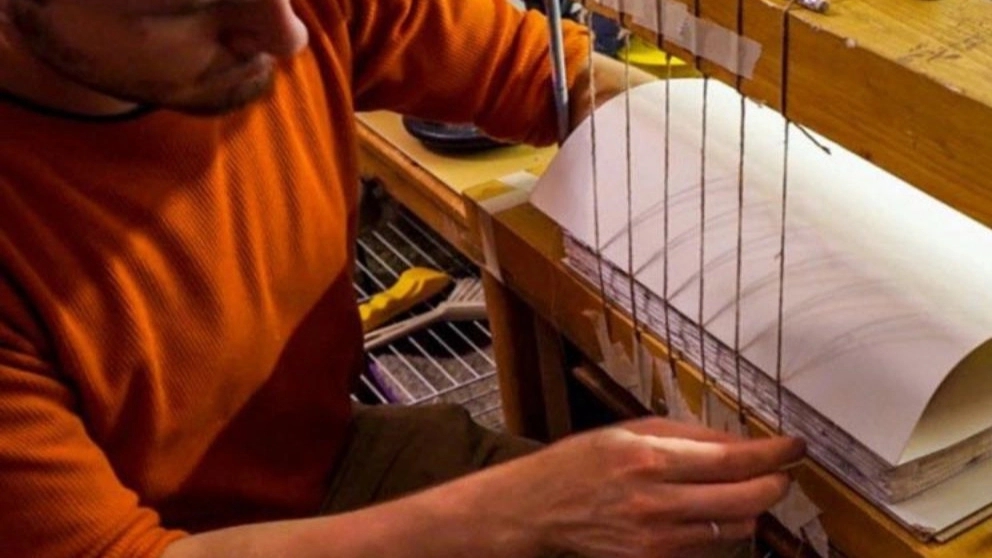
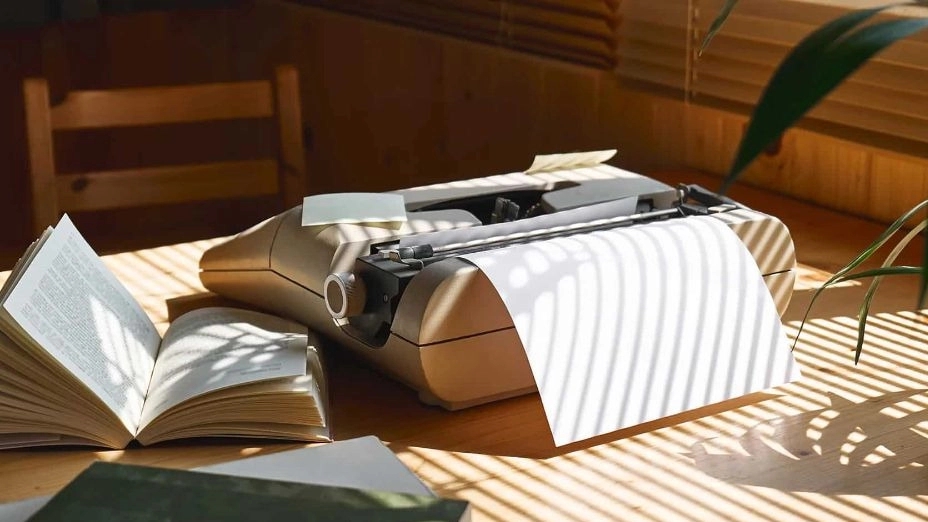



Book binding is the process of physically assembling a book from a stack of paper sheets that are assembled together in sections or sometimes left as a stack of separate sheets.
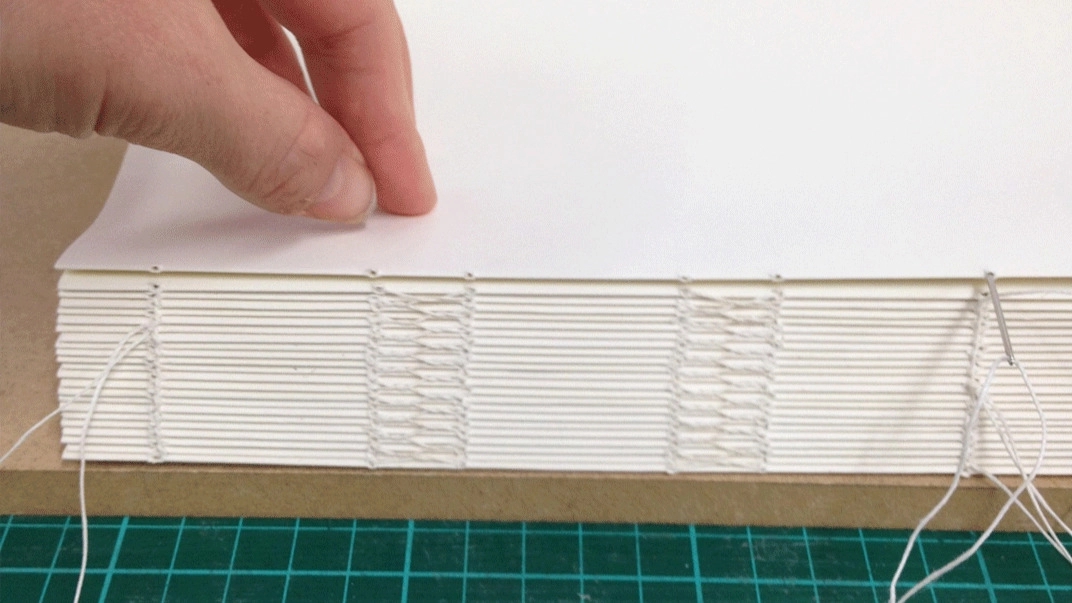
It is then joined along one edge by sewing thread through the pleats, or with a layer of flexible glue. Alternative joining methods, which are cheaper but more durable, include loose leaf loops. , screw or connecting posts, column coil, twin ring, plastic spiral coil and plastic column combs. For protection, it is wrapped in a flexible cover or attached to rigid boards.
Finally, an attractive cover is glued on the boards, including identifying information and overall design. Artists or book decoration specialists can also enhance the content of the book by creating book-like objects with artistic merit of exceptional quality.
Binding in the past:
Before the computer age, the bookbinding business consisted of two parts.
Initially, there was stationery (known in the trade as vellum binding), which was for books that were used for entries. Handwritten such as accounting books,
business journals, blank books and books related to guests, along with other office stationery such as note books, day books, diaries, securities, etc. br>
Now computers have replaced pen and paper based accounting which forms most of the stationery binding industry. Binding, fine binding, print binding and publisher binding!
Modern bookbinding today is divided between manual binding by individual craftsmen working in a shop and commercial binding produced by high-speed machines in a factory.
There is a wide difference between the two parts.
The size and complexity and packaging of different types of them are different.
Cases There are cases where printing and binding are combined.
For the largest number of copies, commercial binding is done by producing 10,000 copies or more in one factory.