


What is Rando?
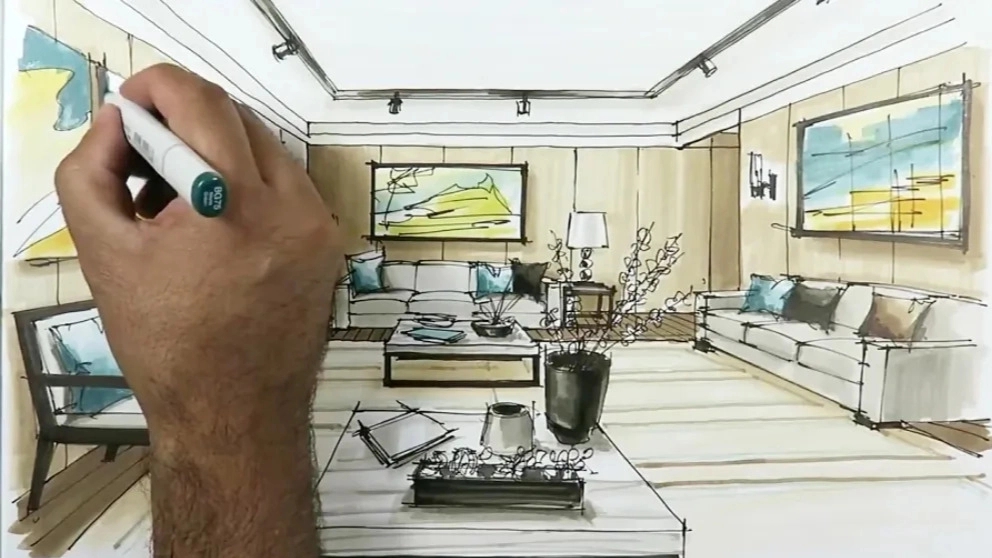
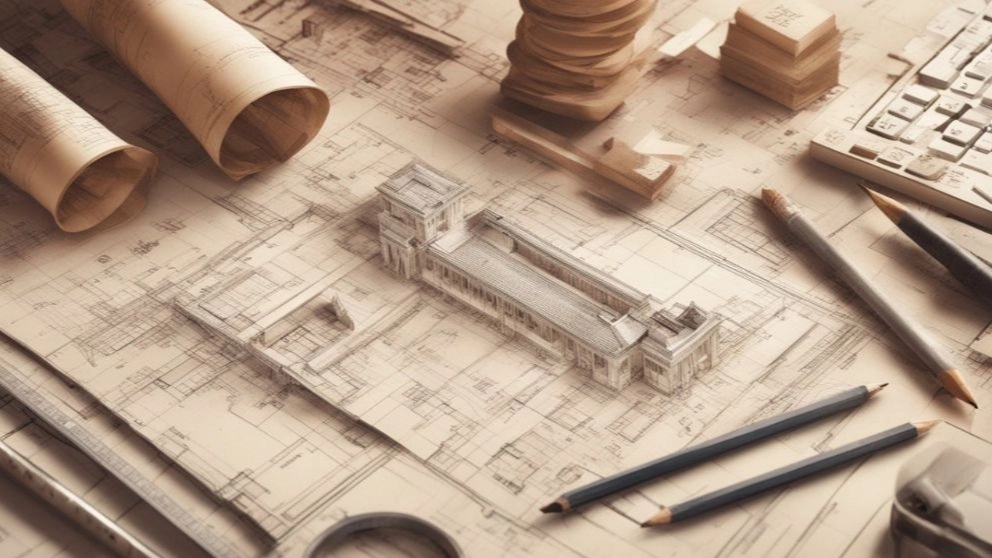
When we start an architectural project, we have a mental map in our head before executing the design, which usually does not have specific details. Rando (Render) in the word means presenting the final product or product in such a way that it can communicate with the audience. In other words, Rando means transferring a vague mental image to paper or a digital screen in three-dimensional form with real details of the architectural plan. Of course, this 3D drawing is just one step of the Rando process.
Importance
Rando in architecture plays an important role in the communication between the architect and the audience. Rando helps the architect to present his design to the audience in a clear and realistic way. This helps the audience to relate to the design and understand it better. In fact, Rando plays a significant role in presenting architectural designs to employers, investors and other audiences, marketing and selling architectural designs, lighting, shading and texturing studies, creating 3D and animated images of architectural designs, and is a valuable tool for architects to help them to present their plans in the best possible way.
Rando History in Architecture
The history of Rando in architecture dates back to the first century BC. Vitruvius, a Roman architect and engineer, used architectural randos. However, no examples of these simple randos survive today. Of course, a series of architectural designs have survived from the Middle Ages, but what we know today as architectural rando was created during the Renaissance. It is interesting to know that famous architects such as Leonardo da Vinci and Michelangelo also used randos to implement their designs. Academic Randos doubled and developed. At the end of the 20th century, the remarkable development of technology led to randos, and at that time, manual randos gave way to accurate, realistic and three-dimensional computerized randos
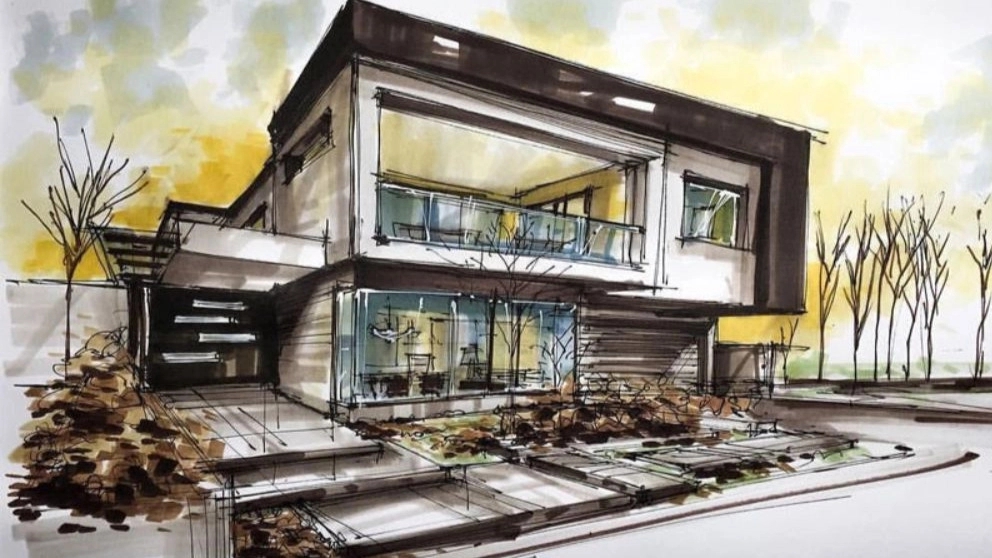
Types of Rando in Architecture
Rando benefits in architecture
◘ Help to convey the architect's ideas:
Rando helps the architect to implement his plan in a clear and realistic way and present it to the audience. This work helps the audience to connect with the plan and understand it better. It helps to examine your plan from different angles, which makes you identify the strengths and weaknesses of the plan and try to improve it.
◘ Saving money:
Creating an estimate before launching the project allows work defects to be identified in advance and reduces additional costs.
◘ Speeding up the work process:
Your hand is free in the initial design you create and you can make any changes you want to it. In this way, the work process speeds up and you can deliver the project ahead of time.