

What is a diesel generator?
Diesel generator is a combination of diesel engine and electric generator that is used to produce electricity. Liquid petroleum or natural gas fuels are usually used to start the combustion engine of these generators. The electrical part of the diesel generator is an alternator circuit that converts mechanical power into electrical energy. The control and protection equipment of the generator is also in charge of starting and monitoring its main parts.
⚫️ Types and applications of diesel generator
Diesel generator is often used locally without connecting to the power grid and is replaced as an emergency power source in case of a power outage. In more complex applications, this generator can be used as a grid backup during peak load and inject electrical energy into the grid. Diesel generators are also used to generate electricity in ships and in remote places where it is not possible to access the electricity grid.
⚫️ Types and applications of diesel generators in terms of delivery power
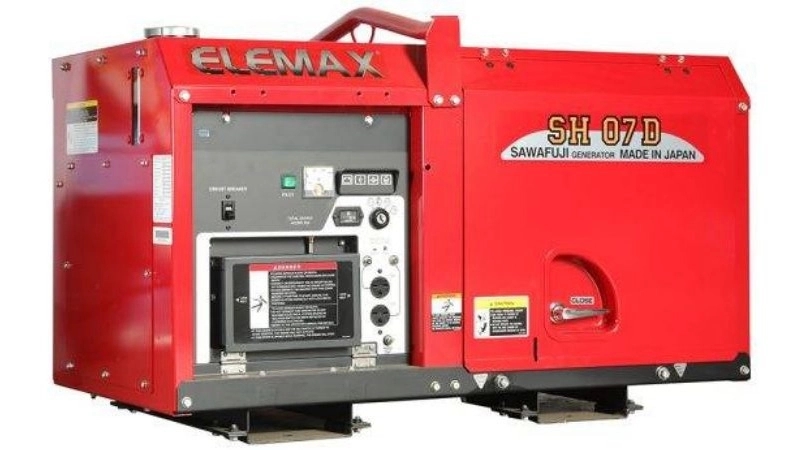
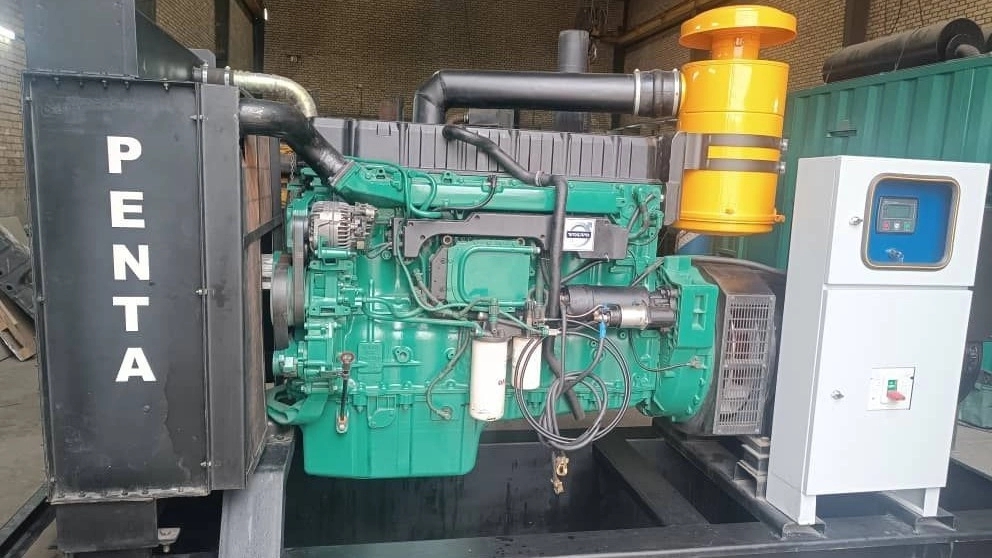
The set of diesel engine, generator and peripheral equipment such as base, control system, stopping system, cooling system and starting system is called "GenSet". Figure 1 shows the appearance of a generator set.
Power range of 8 to 30 kilowatts: these generators are suitable for supplying energy to homes, small shops and offices.
Power 8 to 2000 kW: Diesel generator with this power range is used for office complexes, factories and industrial equipment.
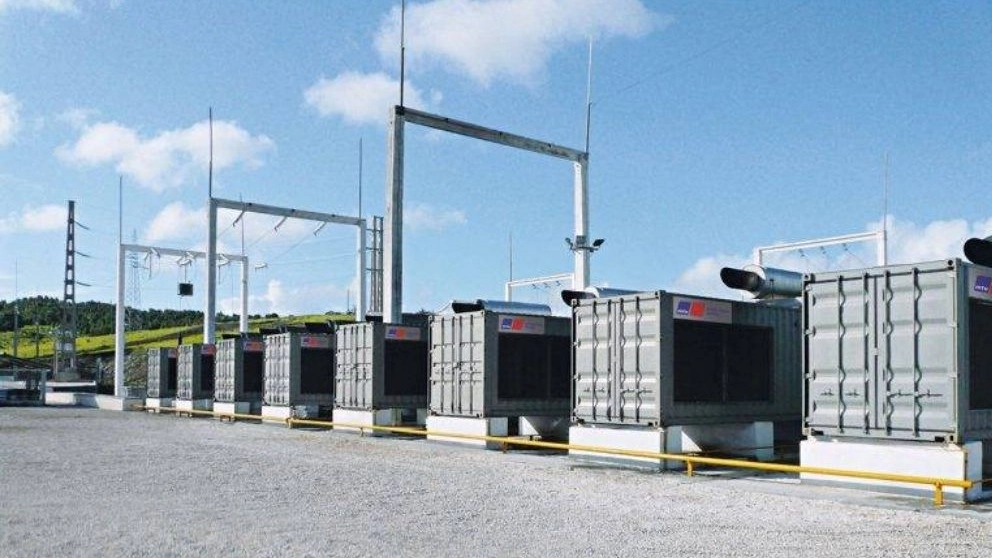
2000kW Power Module: A 2000kW set with fuel tank and all accessories fits into a standard 12m2 (40ft) container and can be used as a stand-alone power source, replacing the power grid emergency. Such a set is called "Power Module" and its weight is close to 40 tons.
Diesel power station and power plant: A set consisting of a number of power modules forms a small power station, and if a large number of modules in a set are connected using a power cable, they form a diesel power plant.
⚫️ Diesel Generator Types of Ranking Standard
The diesel generator must provide the expected power reliably and without damage. A generator may be used as a backup during power outages and only run for a few hours a year. The same generator may be used as the main generator and run continuously. The quality of generator work in different applications is determined through its standard rating.
To determine the reliability of generators, manufacturing companies rate them based on a specific international standard. Among the valid standards defined for generator rating is the ISO8528 standard. Generator rating according to this standard is introduced in the following four definitions.
Emergency Standby Power (ESP): The ESP rating is defined when the generator is used as an alternative to the main generator during power outages. According to the ISO8528-1 standard, the ESP rating is equivalent to the maximum power that a generator with a maximum of 200 working hours per year can deliver to a variable load. According to this standard, the average load of the generator in a 24-hour period should not exceed 70% of the rated power of the generator; Unless the manufacturer has allowed it.
Limited Time Running Power (LTP): According to the ISO8528-1 standard, the LTP rating is equivalent to the maximum power that the generator can deliver up to 500 working hours per year to replace it during the service and maintenance of the main generator.
Prime Running Power (PRP): The PRP rating is equivalent to the maximum power that the generator can provide for a variable load over an unlimited period of time. In addition, the average load of the generator in 24 hours should not be more than 70% of the generator power; Unless the manufacturer has approved it.
Power generator with continuous operation (Continuous Operation Power - COP): The COP rating is equivalent to the maximum power that the generator can deliver to a constant load during unlimited working hours. Working conditions and service and repair times are determined by the manufacturer.
For a better understanding, suppose that the generator plays the role of replacing the grid and it is possible for this generator to tolerate ten percent overload in a short period of time. Now suppose that the same generator is used as the main generator and does not have the ability to provide stable power in the long term. In such a case, based on the rating standard, this generator will have a better rating in the alternative mode than the main network generator mode.
In general, the two factors of the maximum power delivered by the generator and the length of time to deliver this power are the two main rating factors. A generator rated low for temporary use may be commanded to stop by the generator protection circuit when a temporary overload occurs. On the other hand, a generator that has a low rating for continuous use may experience frequency or voltage fluctuations during long-term operation.