

One of the challenges of using a generator is how to replace it instead of the main source and start it up during a power outage. This can be done manually or automatically. A transfer switch is used to connect and disconnect the power generator and electric load. The transfer switch can manually or automatically switch the generator into or out of the circuit.
⚫️ Launch with Manual Transfer Switch
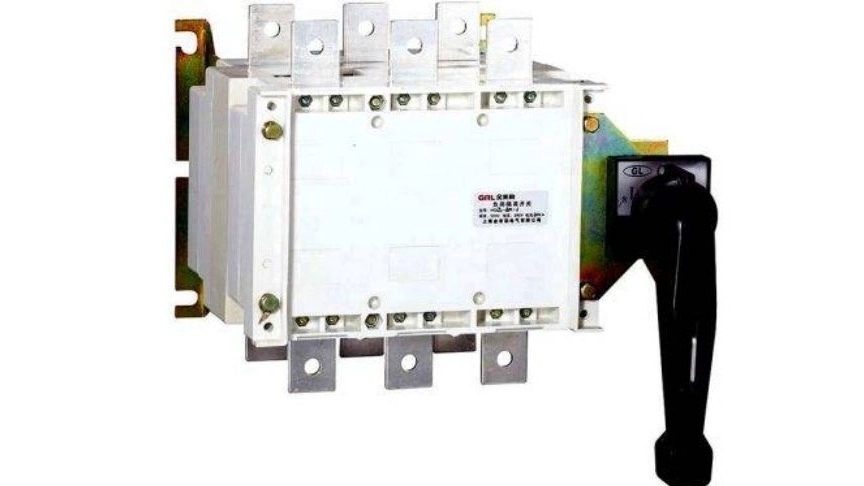
In manual mode, when the power is cut, the operator manually disconnects the main network from the circuit and replaces the generator by means of the transfer switch. Main power supply. In Figure 3, you can see a manual transfer switch. , because of its low cost and easy use, a manual transfer switch is used.
⚫️ Launch with automatic transfer switch
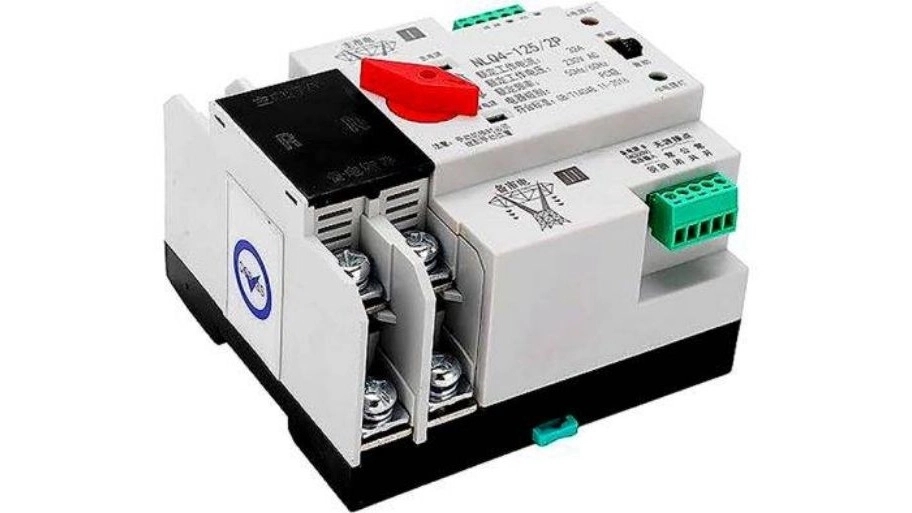
In automatic mode, the transfer switch replaces the generator as soon as the main source is cut off, and after the main power is connected, the generator It turns off and connects the load to the mains. Figure 4 shows an automatic transfer switch.Using an automatic transfer switch requires paying for purchase, installation and maintenance; Therefore, it is not cost-effective to use it for applications such as ventilation of residential buildings that are less sensitive. It is better to use it in sensitive and important applications such as hospitals, shopping centers or production lines.
⚫️ The main components of diesel generator
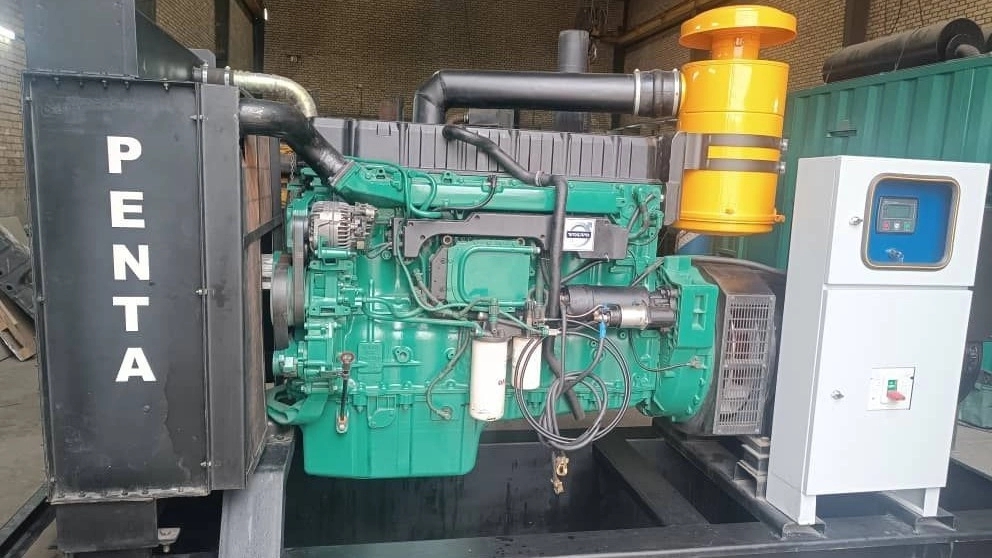
Diesel generators are made with different equipment and parts according to the manufacturing technology, type and sensitivity of their use; But some main parts are common to all generators. The main components of a diesel generator include the following:
diesel engine
AC alternator
Radiator
cooling system
Exhaust system
air filter
Control panel
Basic framework
Repository
Diesel Engine: It is the source of mechanical power of the generator. Its size and output capacity determine how much power a generator set can produce.
AC Alternator: This section converts the mechanical power of the diesel engine into electrical power.
Radiator and Cooling System: When the generator is working, some components, especially the mechanical parts of the generator, get very hot. This part is responsible for lowering the temperature.
Exhaust System: The smoke from the diesel engine causes a lot of pollution. This part is responsible for filtering suspended particles and toxic gases, as well as directing the exhaust smoke of the engine to the outside.
Air Filter: This part is made of a type of fiber that prevents dust and pollution from entering the engine.
Control Panel: It is a control interface that controls processes such as starting, shutting down, measuring fuel and controlling phase selector switches.
Base Frame and Fuel Tank: The base frame holds the generator body and all its mechanical and electrical components are installed on this base. The fuel tank is also a place to store the fuel needed by the diesel engine.
What is a diesel generator fuel?
As mentioned, the diesel engine is a type of combustion engine and it works with different fuels depending on the application and place of use. Common types of diesel engine fuels are:
Gasoline: Gasoline engine is used for powers less than 6 kW and has little noise.
Diesel: At slightly higher powers and where access to gasoline is difficult, diesel fuel is used to start the generator. Diesel generators are suitable for long-term or even continuous use in open environments and are cheaper in terms of fuel costs than gasoline engines.
Gas: Gas causes less pollution than gasoline and diesel. Gas generators are quieter than other types of generators.
Other fuels: except for the materials mentioned, in rare cases, other fuels such as vegetable oil, animal oil, paraffin and glycerin are used as diesel fuel. Heavy fuel oil or HFO is also used in large diesel engines (from 3 to 30 MW).