
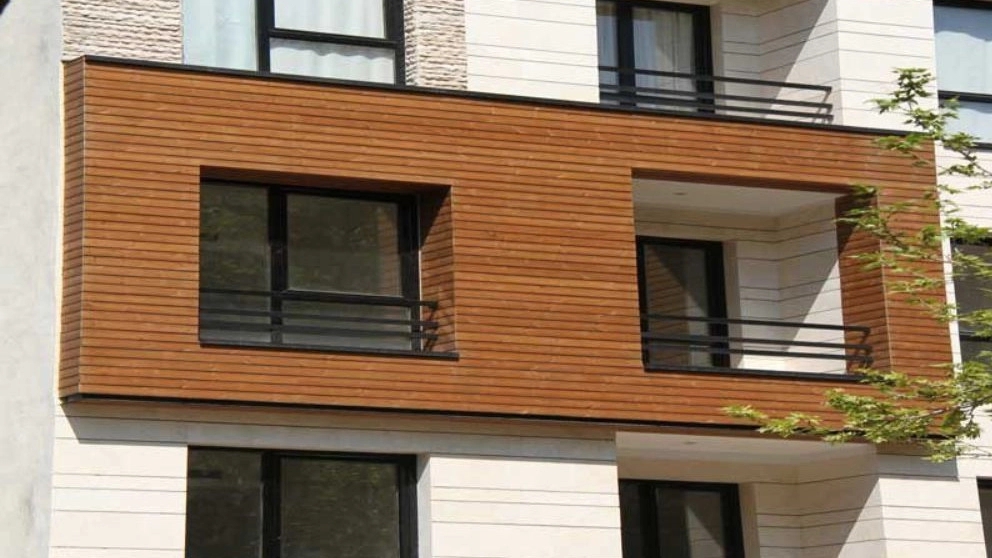
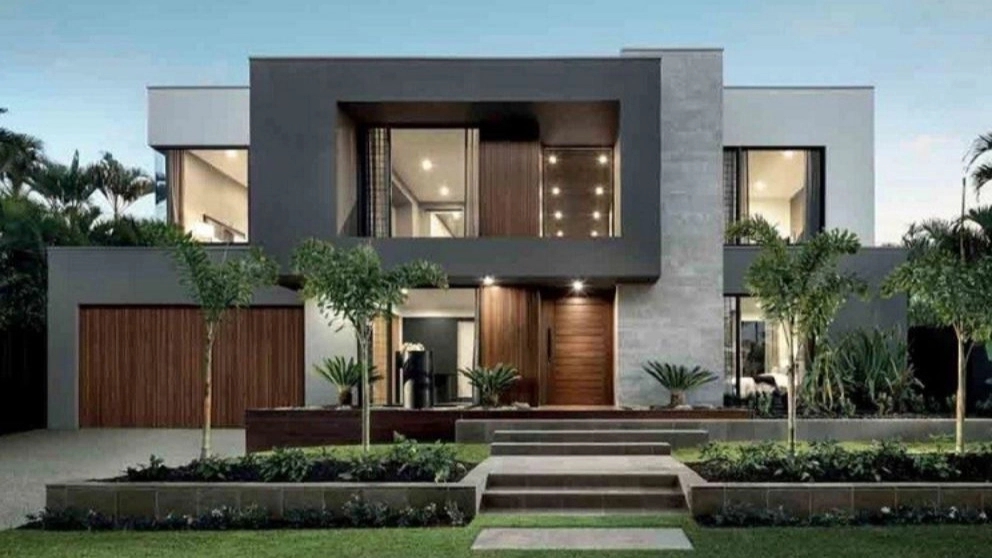


The facade of the building is one of the important and beautifying aspects of modern construction, which requires special attention to choose the right equipment for its construction. One of the equipment or materials used as wood for the facade of the building is Termwood. Termwood is a type of wood with unique features and characteristics that can be a good option for the facade of your building, which is very practical and durable.
What are the characteristics of thermo -wood?
Resistance to water and moisture:
Thermowood is very resistant to water and moisture due to its production against high thermal pressure. This feature makes Termwood highly durable against atmospheric changes and different weather conditions. Resistance to insects and decay: Termwood due to the process Thermal also has a very high resistance to insects and decay. This feature makes buildings and facades made of Termwood last for a long time without the need for frequent maintenance and repairs.
Dimensional stability:
Termwood due to the experience process It has good thermal and dimensional stability. This feature makes Termwood wood resist dimensional changes caused by temperature changes and has as little shrinkage and expansion as possible. Design and beauty features:
Termwood has a beautiful and natural appearance due to the nature of wood and the combination of its colors and fibers. This feature makes the facade of the building achieve a beautiful and special design using Termwood.
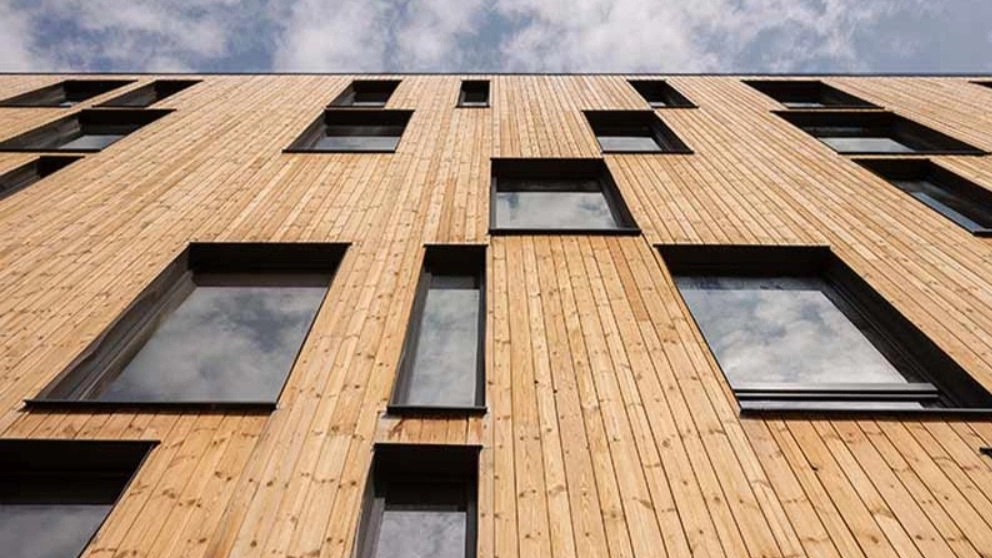
Why use thermood in the building's facade?
Using Termwood in the facade of the building as a suitable alternative to traditional wood, due to the features mentioned in the previous paragraphs of this article, can have many advantages. Unlike traditional wood, which may wear out sooner due to weather changes and environmental conditions, these materials are durable and require less frequent maintenance and repairs. Finally, Termwood is a smart option for building facades. Due to its superior features, as well as maintaining beauty and strength against destructive factors, it can help improve the design and useful life of buildings.