

"Building materials"
The first and main difference between firebrick and normal brick is their building materials. In making ordinary bricks, clay including silica, alumina, magnesium oxide, lime, iron oxide and some other alkaline materials are used. While in making refractory bricks, a special type of soil called Chinese soil is used. Another name for this soil is kaolin. This material consists of 23% silica, 73% alumina, as well as compounds of iron oxide, titanium and other metal oxides.
"Tolerable temperature"
One of the main differences between ordinary bricks and refractory bricks is their resistance to heat. Ordinary bricks can only withstand heat up to about 1200 degrees Celsius, but refractory bricks can easily withstand up to 1800 degrees Celsius. The main reason for this difference, in addition to the building and heat-resistant materials of firebrick, is its firing process. Firebrick is fired at a higher temperature to be more fire resistant.
"Thermal insulation"
Ordinary brick has no function in terms of thermal insulation. This is the reason why it is recommended to use other insulating materials when walling with these materials. However, firebrick can largely prevent the waste of energy. The main reason for this property is that this brick is denser and it is baked at a higher temperature. For this reason, using firebrick as the interior facade of the building can also help reduce energy costs.
"The difference in color and appearance of normal and refractory bricks"
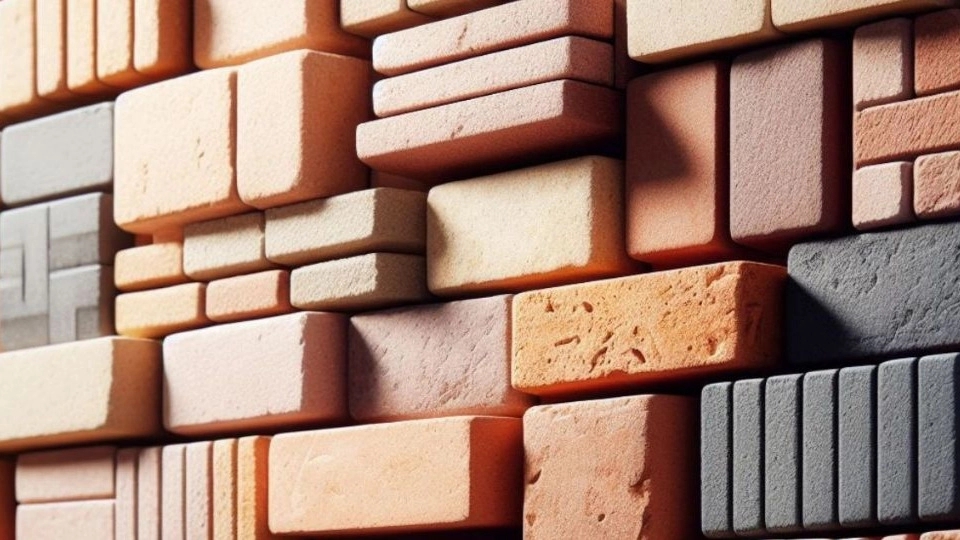
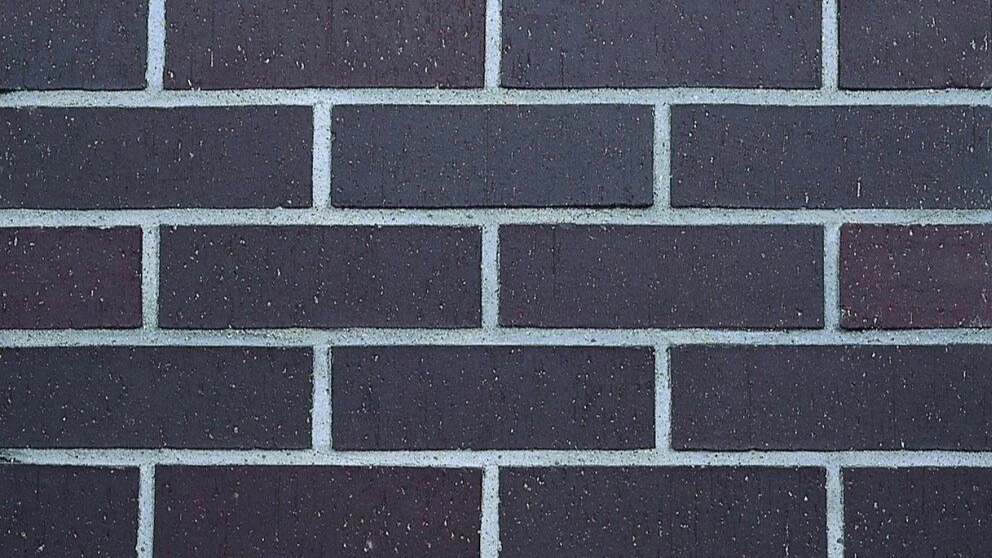
By seeing refractory and normal bricks, you can easily recognize them. Normal bricks are yellow or ocher in color; But firebrick is produced in different colors ranging from black to white. In addition, ordinary bricks are only rectangular; But firebricks have more diverse shapes and sometimes they are produced in rocky, square and irregular rectangles.
" Impact and scratch resistance "
The high density and firing under very high temperature have made refractory bricks much more resistant to impact and scratches than ordinary bricks. Scratch resistant. While a normal brick can break by falling from a distance of two meters; Firebrick is very resistant in this sense and if produced under standard conditions, it does not even scratch the surface. For this reason, firebrick transportation is done with confidence and less damage.
"Moisture absorption"
Moisture absorption is one of the main problems and challenges of all types of building materials. Ordinary brick absorbs a lot of moisture and is therefore not recommended for construction in areas with humid climates. High moisture absorption has the following disadvantages:
increasing the weight of the wall and building
freezing of the water in the brick in cold seasons and as a result its bursting
providing a suitable environment for the growth of microorganisms such as fungus and mold
brick expansion and pressure on other materials and as a result, Causing damage such as bursting of paint and plaster to the wall and even increasing the possibility of falling
refractory brick has a completely different performance against moisture. Due to its high density, being cooked at a very high temperature and the absence of lime in its composition, this product is well resistant to moisture. For this reason, installing it on the facade and internal walls will increase the life of the underlying materials.
"sound insulation"
You must know that houses that are built in traditional ways; They are not resistant to sound at all. The main reason why you can hear the sound of your neighbor's TV in your home is the use of materials such as ordinary bricks in the walls. Ordinary brick has a not so dense texture that easily transmits sound.