

☑️ Summer tires
If you live in a warmer climate or need special tires for warmer weather, summer tires may be right for you.
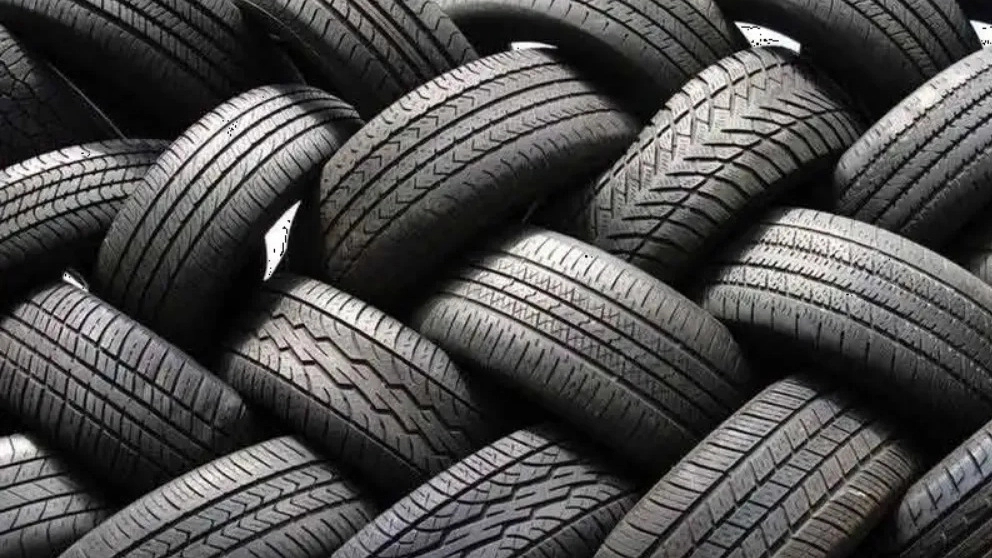
Summer tires are designed to handle wet conditions. and have the best performance in warm weather and are not made for every season. They have a special rubber compound that provides excellent grip and handling on dry and wet roads in warmer conditions and also has lower rolling resistance, thus improving fuel efficiency and producing less road noise. They do.
The tread pattern of summer tires is simpler than that of winter tires and has fewer grooves to get rid of water and maximizes the contact patch with the road. As a result, this vehicle has superior traction and braking during the dry summer months.
☑️ Winter tires
Winter tires provide excellent grip on snowy and icy road surfaces as well as wet roads in cold conditions. Celsius), it does not harden. Instead, it stays flexible and flexible in cold weather to reduce stopping distances when braking.

☑️ All Season Tire
All-season tires provide smooth driving conditions on the road and have good traction for all seasons, hence the name. An all-season tire combines the features of summer and winter tires, providing a hybrid solution with the benefits of both. For drivers who live in areas with mild winter conditions (temperatures rarely drop below freezing), all-season tires can be an alternative. Continental all-season tires offer excellent safety and performance. In addition, drivers can save money and time and reduce the effort required to replace seasonal tires. But always remember that summer and winter tires are specifically designed for the respective conditions.