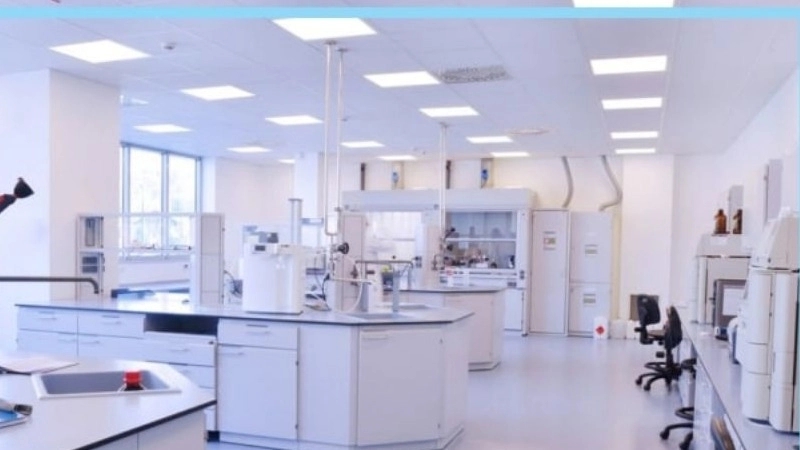
The importance of implementing laboratory antibacterial flooring
Antibacterial floors often have completely smooth and integrated surfaces that can prevent the growth and accumulation of pathogenic microorganisms and destroy them completely. In fact, the use of this antibacterial flooring is very useful to prevent the growth of bacteria in environments such as hospitals, laboratories, etc.
Definition of antibacterial flooring
Antibacterial flooring is a new product known in the construction industry. There is no possibility of fungus, mold, bacteria and other microorganisms growing on the surface of this product. It can be widely said that it is one of the best coverings for hospital flooring because this flooring has a seamless and integrated surface. In addition, antibacterial flooring is used in pharmaceutical factories, in the floors of clean rooms in hospitals and in all departments that need to be disinfected in the hospital.
Laboratory Antibacterial Flooring
In order to keep patients safe from infections or diseases, hospitals and other healthcare centers need sanitary flooring. Also, most hospital managers show great sensitivity in choosing sanitary and antibacterial hospital flooring due to the knowledge of the irreparable costs of the spread of hospital infection. In fact, the hospital floor should be anti-bacterial or anti-bacterial, non-slippery, durable and in compliance with other environmental considerations.
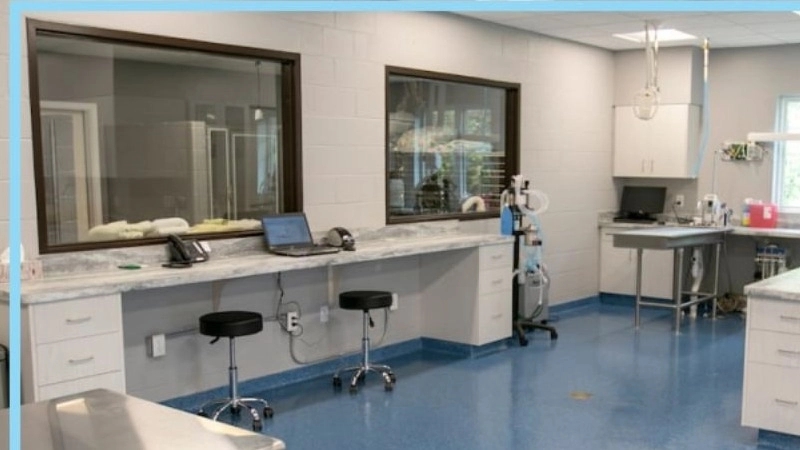
The benefits of implementing laboratory antibacterial flooring
In many developed countries, in order to observe more hygiene, they use all kinds of antibacterial flooring, such as epoxy or polyurethane antibacterial flooring. Antibacterial flooring does not absorb dust in any way and is also anti-pollution, safe and flexible. In fact, these floors are chemically harmless to humans and animals.
In fact, these types of flooring are stain-proof and seamless. This flooring does not allow materials to penetrate into the underlying layer. It also creates a very high resistance against wear and impact by some hospital equipment that is placed on them. Among their other advantages, we can mention resistance to heat and humidity because it prevents the growth of germs and bacteria. At the same time, they have fast cleaning properties.
Laboratory Antibacterial Floor Uses
These floors are widely used for hospital floors and treatment clinics, laboratories, hospital emergencies, operating room floors, child care departments, clean room floors, kindergartens, imaging and radiology rooms.