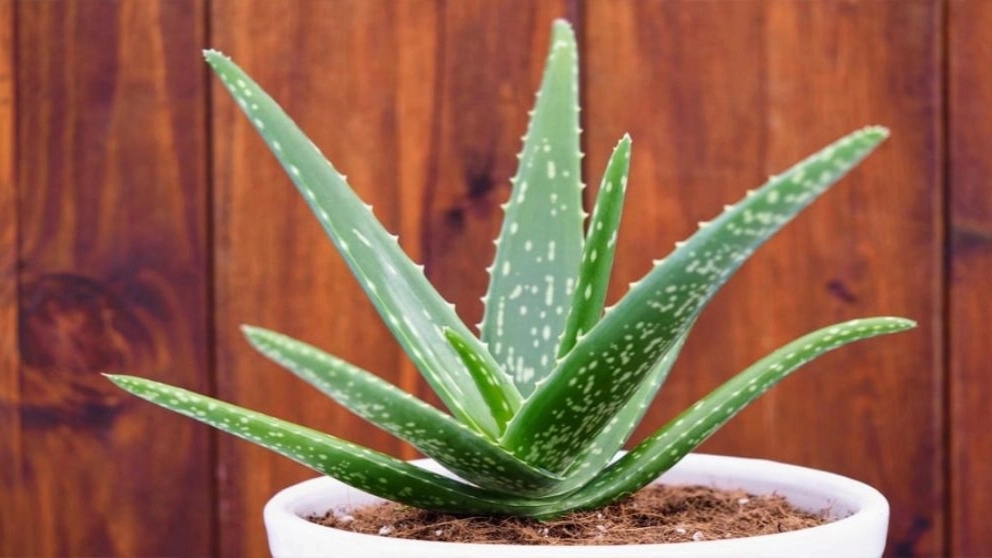
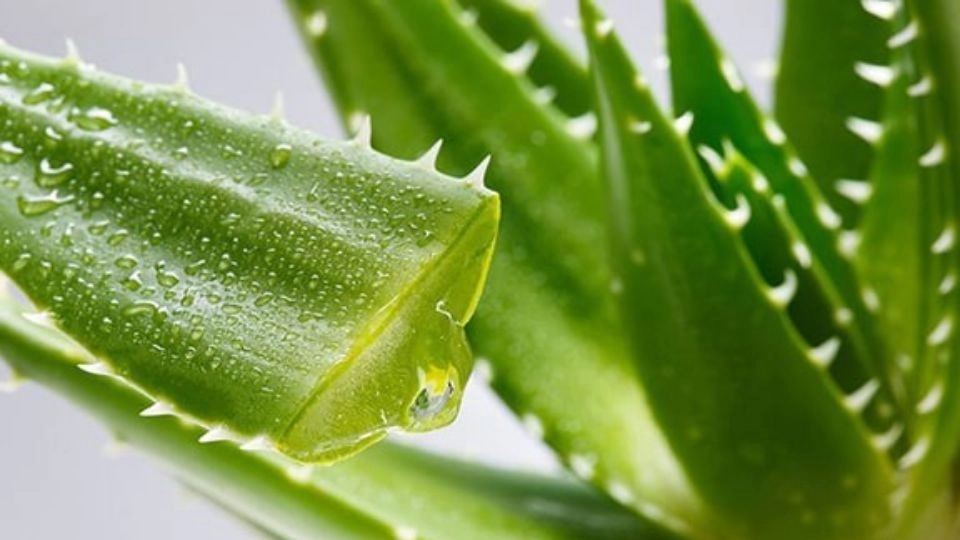
Whether you're gardening indoors or out, those serrated leaves hold something magical.
Aloe barbadensis is a popular houseplant that looks great and has many benefits! They are known as medicinal plants that are useful for healing wounds, soothing burns, soothing sunburns, etc. Just pick off a leaf and apply the gel to the inflamed skin (test only on a patch of skin first).
It's no wonder why so many people have these plants at home. But for these little guys to thrive, you first need to learn how to take care of your aloe vera so it can take care of you. These plants are easily recognizable as succulents because of their fleshy and thick stems. Therefore, it is better to store your aloe vera in dry conditions and in bright and indirect light. In addition, they are very tolerant of infrequent watering – they only need a good watering once every two weeks. Your plant may even produce aloe pups, after which you can enjoy a whole new plant! So if this sounds like the ideal plant to have, we're sharing all the details on how to grow aloe vera. , whether you decide to keep it indoors or outdoors
How to cultivate Alvora indoors?
Aloe vera has attracted the attention of many home gardeners due to its hardiness and tolerance to infrequent watering. To keep it happy, plant aloe vera in a pot with well-drained soil. Your best bet is to mix equal parts sand and potting soil or buy a special succulent mix. Terracotta also dries faster than other plastic or glazed containers.
If the weight of the plant causes the aloe to slide, repot it, but otherwise don't worry about too much room for it. This plant grows in the right conditions.
Place your aloe vera in a bright and sunny place. Otherwise, it will shut down and stop growing. Water the plant heavily every two weeks and wait until the soil is completely dry. Since this is a desert species, keeping the soil moist will cause the roots to rot. Slender or brown leaves also indicate that you are using too much H20.
If you like, you can move your potted plant outside for the summer, but immediately expose it to direct sunlight. do not put Gradually move it to a brighter spot every few days to avoid overexposure.
✳️ How Aloor Grows Outdoor ✳️
If you live in a climate that is warm year-round, you can grow your aloe vera outdoors. Freezing temperatures will kill the leaves, but you really need to worry about frozen soil, as this will kill the roots and prevent new shoots from growing.
When choosing a location, Look for a bed with good drainage. With the exception of droughts, you will not need to water your aloe vera. If it hasn't rained in a few months, give it a good soak and then let the soil dry again.
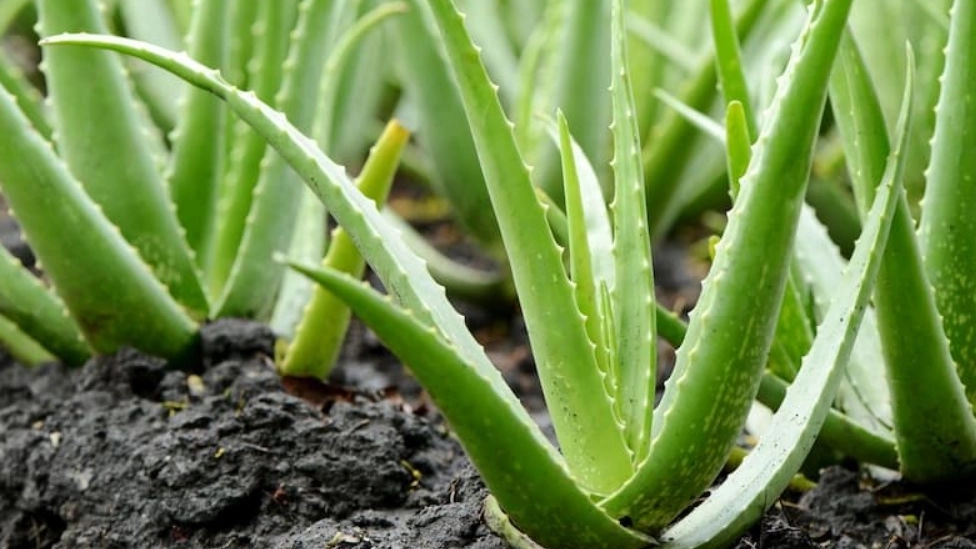
How to take care of Alvora?
As a bonus, your aloe vera will occasionally produce a long stem of small, bell-shaped flowers. Once the blooms have faded, you can cut the stem from the base.
Even better, aloe vera plants also produce new, smaller plants that are perfect for propagation. If you notice one of these "puppies", scoop out the soil and separate the roots of the different plants and replant them in separate containers. Start your plant. Cut about 3 inches from the tip of the leaf. Then place the cut end in a container of potting mix. While not all will take, some will sprout new tiny leaves at the base. Wait for the new plant to grow a few inches before repotting.
✳️ How to Harvest Alooro ✳️
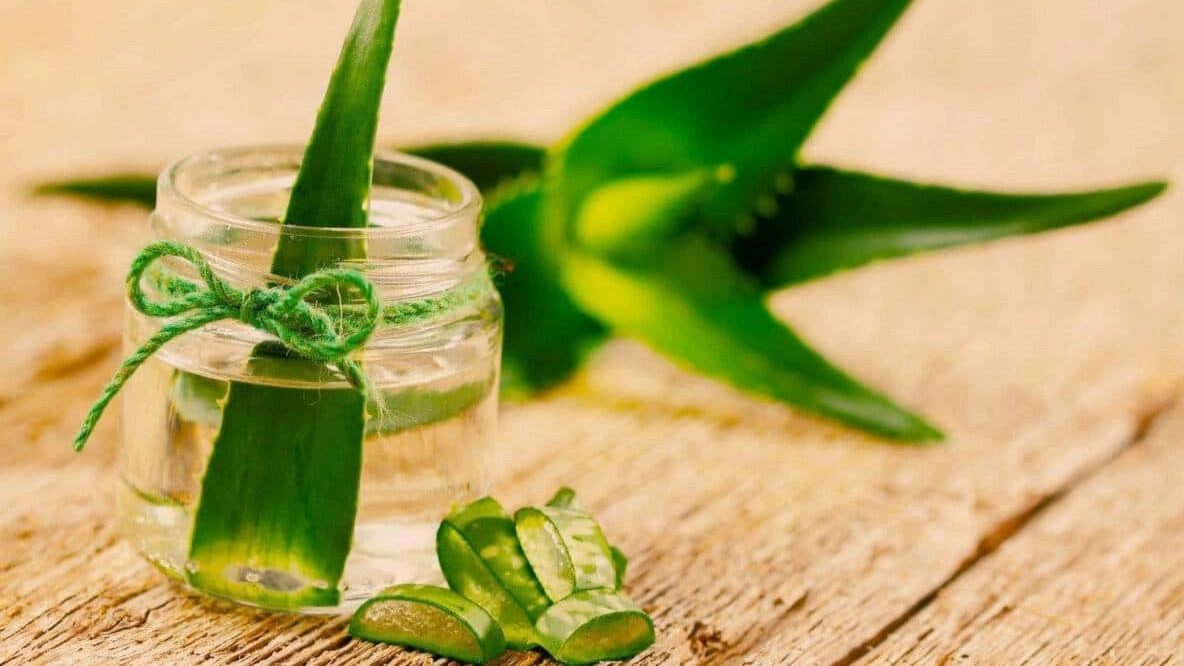
In addition to being a beautiful decoration, aloe vera leaves contain a clear gel that is a popular home remedy. According to the Mayo Clinic, this substance may shorten the healing process of first- and second-degree burns and promote wound healing. Applying aloe vera gel to the skin can also help reduce acne and redness from mild to moderate psoriasis. With this in mind, you can apply an aloe vera leaf (as close to the stem as possible) as needed. Peel off and apply the juicy end to the sunburn or sore spot.
Some people also like to use aloe vera juice as a hair conditioner, makeup remover, or even eyebrow gel. While there's no guarantee it will work as well as some of your favorite products, you can get more juice by cutting the spike lengthwise and scooping out the contents with a spoon.