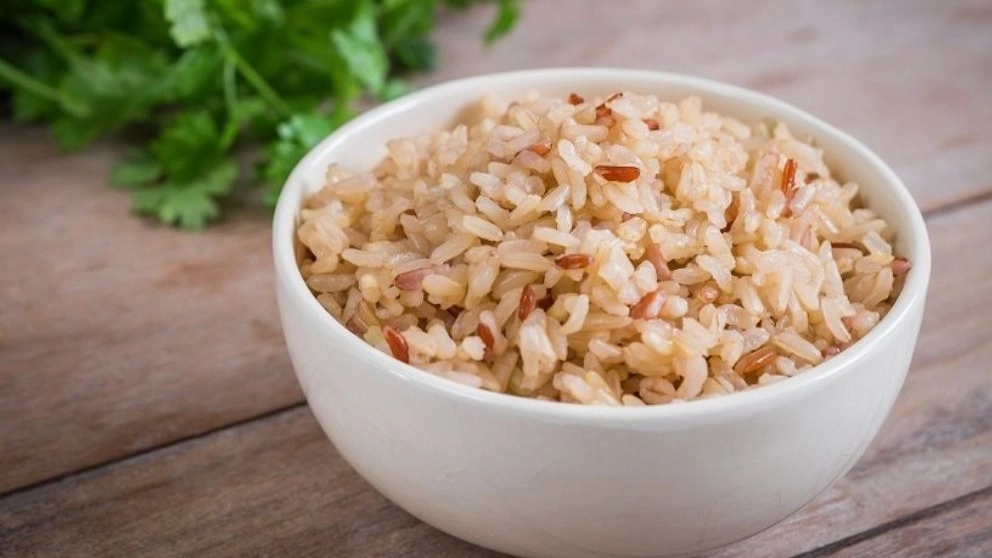
Brown rice is considered a healthy and useful food. This food is included in the category of whole grains. Unlike white rice, brown rice bran is not separated; As a result, nutrients such as vitamins, minerals and antioxidants are preserved. These days, many people avoid brown rice due to the popularity of low-carb diets.
Brown rice is extremely tasty
Brown rice provides more nutrients to the body than white rice. The calories and carbohydrates of brown rice and white rice are the same; However, brown rice contains more nutrients than white rice. The nutritional value of one cup of brown rice is given below. Calories: 216 Carbohydrates: 44 grams Fiber: 3.5 grams Fat: 1.8 grams Protein: 5 grams Thiamine (vitamin B1): 12% of the body's daily requirement Niacin (vitamin B3): 15% of the body's daily requirement Pyridoxine (vitamin B6): 14% of the body's daily requirement Pantothenic acid (vitamin B5): 6% of the body's daily requirement Iron: 5% of the body's daily requirement Magnesium: 21% of the body's daily requirement Phosphorus: 16% of the body's daily requirement Zinc (zinc): 8% of the body's daily requirement Copper: 10% of the body's daily requirement Manganese: 88% of the daily requirement of the body Selenium: 27% of the body's daily requirement Brown rice is also a good source of folate, riboflavin (vitamin B2), potassium and calcium. In addition, it is exceptionally high in manganese. This mineral is vital for many important body processes such as bone growth, wound healing, nerve function and blood sugar regulation. Manganese deficiency is associated with increased risk of metabolic syndrome, reduced fertility and impaired growth. If you eat just one cup of brown rice, almost all of your body's daily needs for this important mineral will be met. Apart from being a good source of vitamins and minerals, brown rice also contains powerful herbal compounds. For example, it has phenol and flavonoids, which are a group of antioxidants and help protect the body against oxidative stress. Oxidative stress is associated with some diseases, including heart disease, some types of cancer, and premature aging. Antioxidants in brown rice help prevent cell damage from free radicals and reduce inflammation in the body. Studies show that the antioxidants in brown rice may be useful in reducing the risk of some types of chronic diseases.
Effective in weight loss
Weight loss is another property of brown rice. Being overweight is a problem that does not know age and many people are suffering from it these days. If you are trying to lose weight, brown rice is a great option for you. Eating brown rice along with exercise can help lose weight and melt body fat. Manganese present in brown rice is useful in the synthesis of excess fat in the body. In addition, it increases the level of good hormone or HDL and thus fights overweight. Using brown rice instead of refined grains may help with weight loss. Refined grains such as white rice and white bread have lost their fiber and nutrients. One cup (158 grams) of brown rice contains 3.5 grams of fiber. Meanwhile, the amount of fiber in the same amount of white rice is less than 1 gram. Fiber helps you feel fuller for longer. Therefore, consuming fiber-rich foods may be less effective in calorie consumption. In fact, studies show that people who eat more whole grains, such as brown rice, gain less weight than people who eat less whole grains. A study of more than 74,000 women concluded that those who ate more whole grains consistently weighed less than those who ate fewer fortified grains. In addition, the results of this study showed that women who consumed the highest amount of fiber were 49% less likely to gain weight compared to women who consumed the lowest amount of fiber. Using brown rice instead of white rice may also help reduce belly fat. In a study of 40 overweight women, women who consumed two-thirds of a cup (150 grams) of brown rice per day for six weeks had a significant reduction in body weight and height compared to women who ate the same amount of white rice. They experienced waist circumference. In addition, women who ate brown rice experienced a significant reduction in blood pressure and a marker of inflammation in the body called CRP.
A better option for people with diabetes
People with diabetes can benefit from the properties of brown rice. Reducing the consumption of carbohydrates and choosing healthier foods is necessary to control blood sugar. Although carbohydrates have a significant effect on blood sugar, people with diabetes can reduce the possibility of high blood sugar and insulin levels by reducing the consumption of refined grains such as white rice. Replacing white rice with brown rice may be beneficial for people with diabetes for several reasons. One study showed that patients with type 2 diabetes who ate brown rice twice a day experienced significantly lower postprandial blood sugar levels and hemoglobin A1c (an indicator of blood sugar control) compared to those who ate white rice. . Compared to white rice, brown rice has a lower glycemic index, which means it is digested more slowly and has less negative effects on blood sugar. Eating foods with a lower glycemic index can help people with diabetes control blood sugar. Several studies state that foods with a higher glycemic index increase blood sugar, insulin, and ghrelin levels. Ghrelin is a hormone responsible for hunger. Lowering ghrelin levels may help people with diabetes control hunger, which can reduce overeating and help control blood sugar. Replacing white rice with brown rice may also reduce the risk of type 2 diabetes. In a study of more than 197,000 people, it was shown that replacing just 50 grams of white rice with brown rice every week was associated with a 16% reduction in the risk of type 2 diabetes.
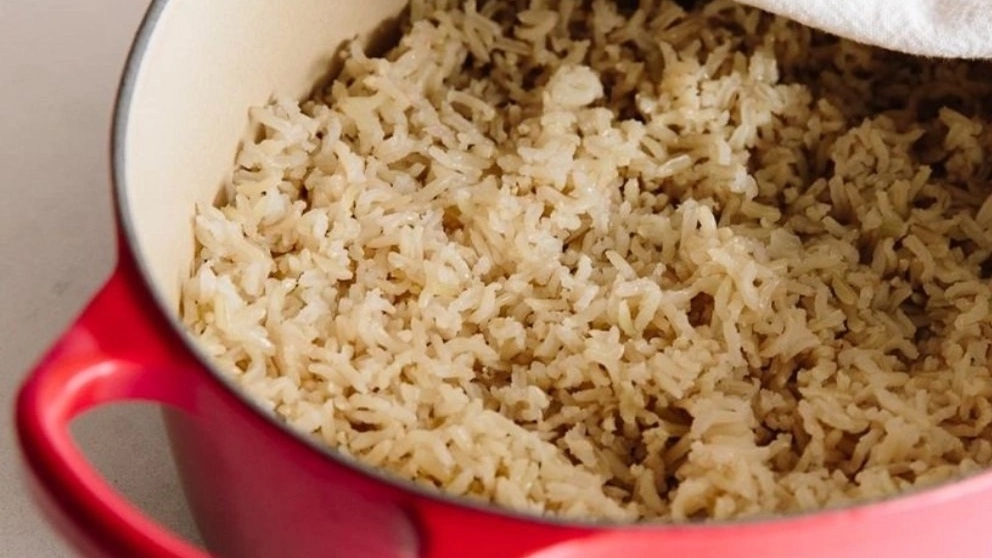
Brown rice is naturally without gluten
Gluten is a protein found in grains such as wheat, barley and buckwheat. These days, many people follow a gluten-free diet for various reasons. Some people are allergic to gluten or their body cannot tolerate it. If these people consume gluten, they experience severe allergic reactions such as stomachache, diarrhea, bloating and vomiting. In addition, people suffering from some autoimmune diseases follow a gluten-free diet. These factors have increased the desire to consume gluten-free food. Fortunately, brown rice does not naturally contain this problematic protein, making it a safe option for people who cannot consume gluten. Unlike processed gluten-free foods, brown rice is classified as a fortified grain and is full of beneficial nutrients that the body needs to function properly.
It has antidepressants
Brown rice has anti-depressant properties and helps fight mental disorders. A research concluded that the presence of different amino acids in brown rice such as glycerin and glutamine are useful in reducing depression, anxiety and stress.
Prevents bile bag
Prevention of gallstones is another property of brown rice. Gallstones occur due to the presence of too much bile acid. The insoluble fiber in brown rice reduces the secretion of bile acid from the intestine and by improving the movement of food, it lowers the possibility of developing gallstones.