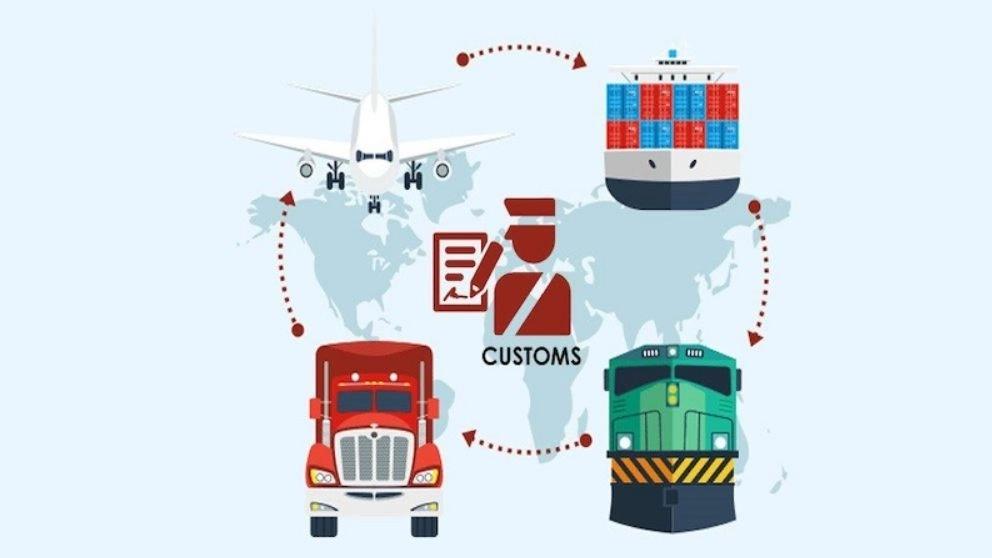


What is Customs clearance?
Exports and imports are always an essential part of countries' activities and there are goods that are exported to other countries and some of their products are also imported into the country. For this reason, goods clearance is one of the most important steps in the process of presenting goods to customs, which is done by the exporter or importer. This process must be completely legal so that goods can be imported or exported legitimately.
What is the clearance process?
Clearance of goods means taking all necessary measures to release imported and exported goods. This process includes providing necessary documents to customs, paying duties and taxes, storage and transportation costs. In these steps, the owners of the goods or their legal representatives take the necessary actions. Goods clearance is an official process and license that is required in international export and import, and to do it, you have to prepare the necessary documents and pay the relevant fees. Often, this process is left to specialist clearance workers, because doing it requires full familiarity with its steps and processes. To clear the goods, you must obtain the necessary permits from the relevant organizations. These organizations include the Islamic Culture and Guidance Organization, the Anti-Narcotics Organization, the Health Organization for obtaining standard licenses, and the Children's Intellectual Development Center, etc. Then, to clear the goods, you must go to different customs branches and take the necessary steps. One of the vital things in the clearance of goods is its correct valuation. Each customs office has special booklets for valuing goods, and the clearance workers, by mastering these booklets and previous experience, can declare the true value of the goods correctly.
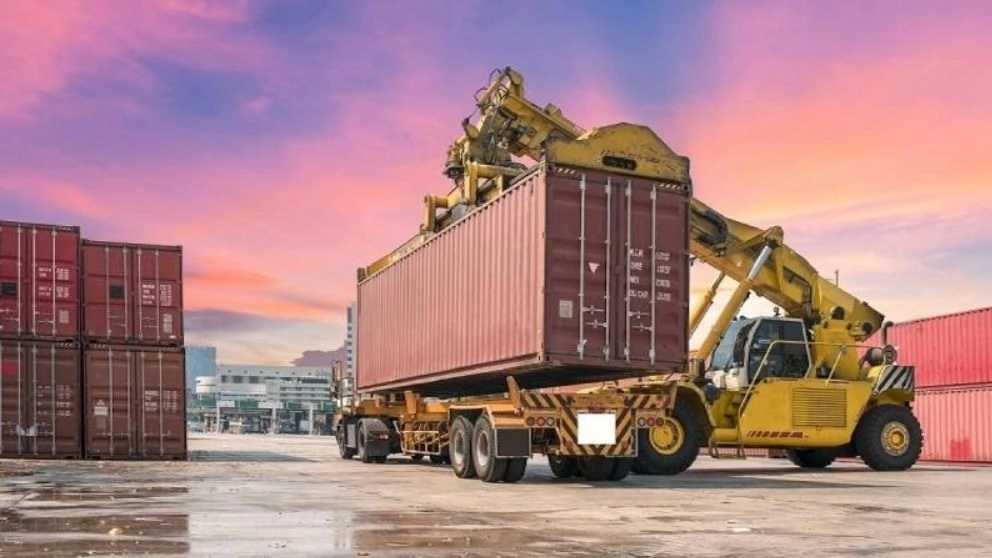
What is the Customs clearance process?
The process of importing goods in any country, as an important economic activity, requires the knowledge of traders and businessmen. Even the smallest mistake can cause your goods to be recognized as contraband and, as a result, cause serious problems for your business.
Declaration registration in the EPL system: The first step in order registration and customs clearance is to complete the declaration in the EPL system and enter the product information online.
Authentication and route determination: At this stage, the authentication department, which is the customs technical department, checks your documents and, if approved, assigns you a registration or cottage number. Receipt of cottage means that the declaration of import or export of your goods is registered with a special number and then it is stamped.
Goods control: To evaluate and clear your goods from customs, there are three possible routes: green route, yellow route and red route. If your goods are transferred to the yellow or red route, it will need to be controlled by experts and inspectors. At this stage, the documents you have provided will be reviewed and compared to your item. After this assessment, your goods will be examined in sections such as value circle, declared value, customs records and other matters.
Obtaining the necessary permits: If your product requires the necessary permits and documents to release and replace the product, you must complete the relevant steps at this stage. For this purpose, you must receive and provide standard, health, telecommunication, quarantine, atomic energy, medical equipment, Jihad, Ministry of Road, tax and other relevant certificates.
Tariff review and product matching by an expert: In the next step, the experts of the customs tariff service check the product documents and match them. Also, experts re-monitor the permits from the previous stage and check and match them. If there are no problems, they will sign and confirm these permissions.
Checkout and issuance of clearance document: After the final approval, the owner of the goods must pay the customs fee determined by the customs in cash. Then, a customs green permit is issued for his cargo, and the owner of the goods can start the necessary measures to get the goods out of customs.
Warehousing and loading permit: After issuing the customs clearance document, the shipping company is responsible for settling the costs related to warehousing and obtaining the loading permit.
Departing the goods from the customs: After receiving the warehouse bill and the required documents, the owner of the goods can receive the warehouse receipt from the customs warehousekeeper. At this stage, after checking the customs green permit and the exit door seal, the warehouse license is issued and the owner of the goods can enter his vehicle to load the goods at the customs. After rechecking the cargo, the goods are allowed to leave.
What is a Declaration of goods?
For customs clearance, the first step is for the owner of the goods or his representative to go to the shipping company and receive the goods clearance. The transport company is obliged to inform the owner of the goods arrival date and the allowed storage time of the goods in the customs warehouse within 5 days after the application. Of course, according to the available information and the new work process, some shipping companies, in addition to this letter, issue other letters such as the letter of arrival of goods at the border, the letter of unloading goods at the customs and the letter of loading, which are used for information. If there is a delay in issuing the goods arrival notice and damage is caused to the parties, the transport company is obliged to compensate the damage.
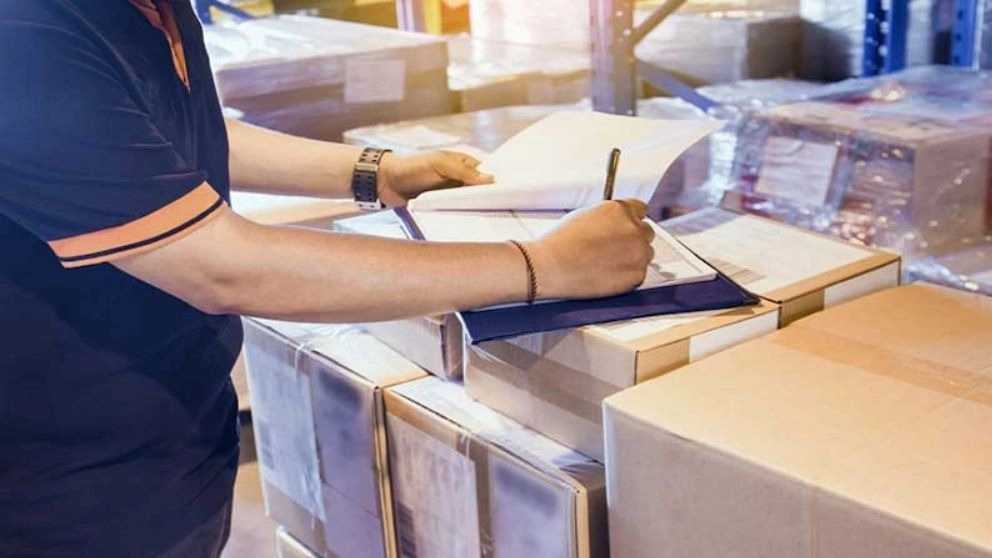
What are customs clearance paths?
The goods are placed in three different routes based on their categories, and after registering the shipment and receiving the cottage number, its declaration is checked so that the exit route of the goods is determined and its clearance is done. The designated routes for customs clearance include three green, yellow and red routes.
Most of the trade cards are placed in the green track and this makes the goods to be cleared and marketed quickly. In the green way, goods do not need to be checked and comply with special standards. In the yellow route, the documents and information of the goods are checked, but there is no need to physically control the goods. In the red route, goods and commodities are fully evaluated and their documents are examined in detail by an expert.
✔️ Customs rules
✔️ Customs green leaf
Before entering the goods into any country, the merchant must obtain a permit to enter the goods from the customs of the destination country. This license is known as green leaf. In order to receive a green card, you must submit the bill of lading and purchase invoice of imported goods to the customs so that the customs experts can check and then issue the green card.
In addition to the need to receive a green leaf for entering the goods at the customs, this leaf is also required for the clearance of the goods. After completing all customs clearance procedures, the green leaf must be presented to the experts in order to receive the warehouse permit for loading.