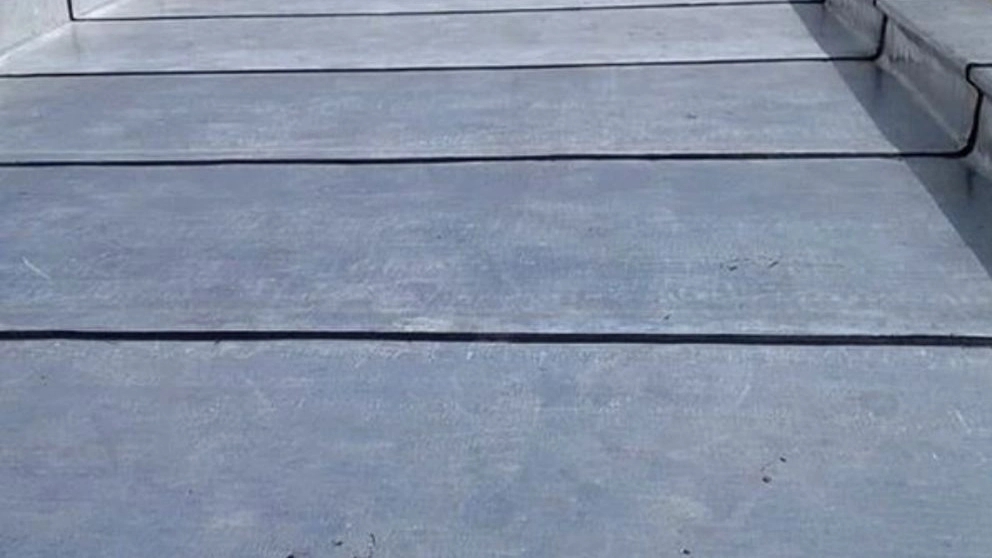
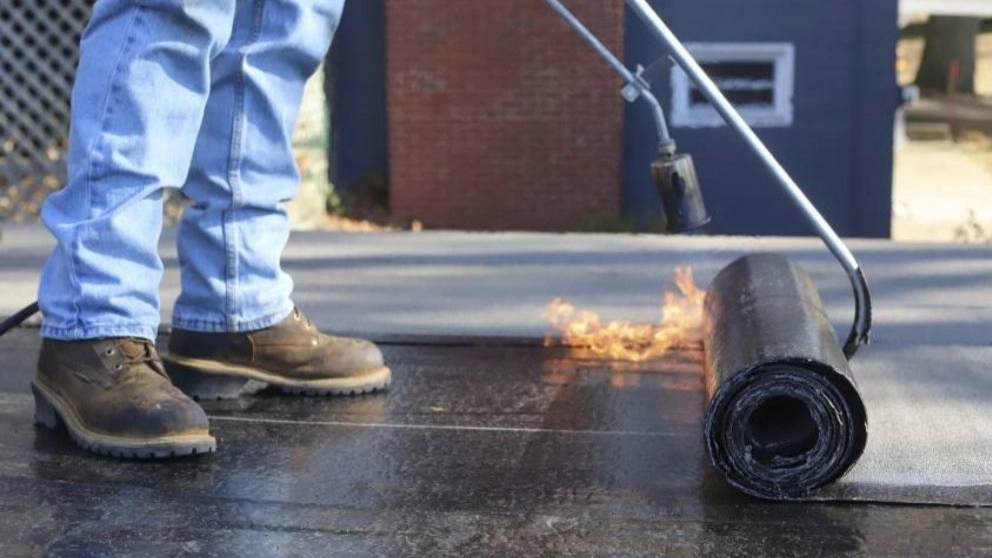


Isogam is one of the types of insulation materials used to maintain temperature and humidity in buildings. This type of insulation is usually made of materials such as cotton, fiberglass, polyurethane and polyethylene and is used in the floor, wall and roof of buildings due to its insulating properties. Isogam acts as a thermal insulator and can reduce energy costs for heating and cooling the building to a minimum.
Isogam's applications are very wide and it can also be used as a sound insulation. Isogams can absorb and reduce external noise and increase comfort inside the building. In addition to acoustic and thermal properties, Isogams can also act as a waterproof insulation. These insulating materials can prevent water and humidity from entering the building and prevent other problems related to building water. In general, isogams are an excellent choice for improving insulation and reducing energy costs in buildings.
The types of materials used in the construction of isogam
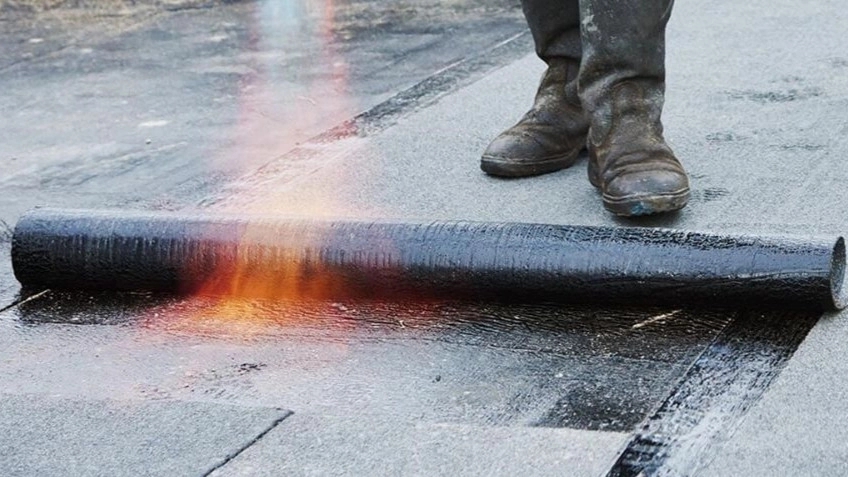
Various materials are used in the production of isogams, such as tar, polyester needle tissue foil, and talc powder. Each of these materials has its own characteristics and properties, which can be selected based on the desired application. Bitumen is a sticky and waterproof material that is used to make isogams. Foil is also a waterproof and heat-resistant material that is placed in isogams as a protective layer. Tissue is also a type of synthetic fiber that is used as a reinforcement in isogams. Needle polyester is also a durable and resistant material that is used as the final coating in isogams. Talcum powder is also used to prevent adhesion and create a slippery layer between the surface of the isogam and other surfaces. Therefore, it is very important to choose the right materials for making isogams so that isogams work in the best possible way and have a long life.
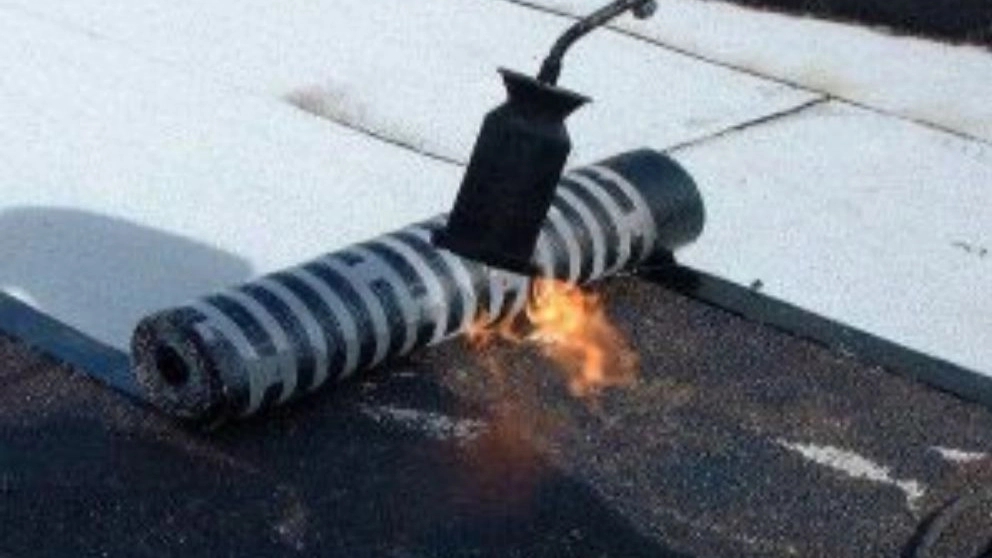
Isogam applications in the construction industry
Using isogams in buildings is very useful for reducing energy costs for heating and cooling systems. These insulations make it possible to maintain the proper temperature inside the building and prevent energy loss. Also, isogams prevent the penetration of air and moisture into the building, which increases the useful life of the building. Therefore, the use of isogams in the construction industry is very important and can improve quality and productivity. Buildings help.