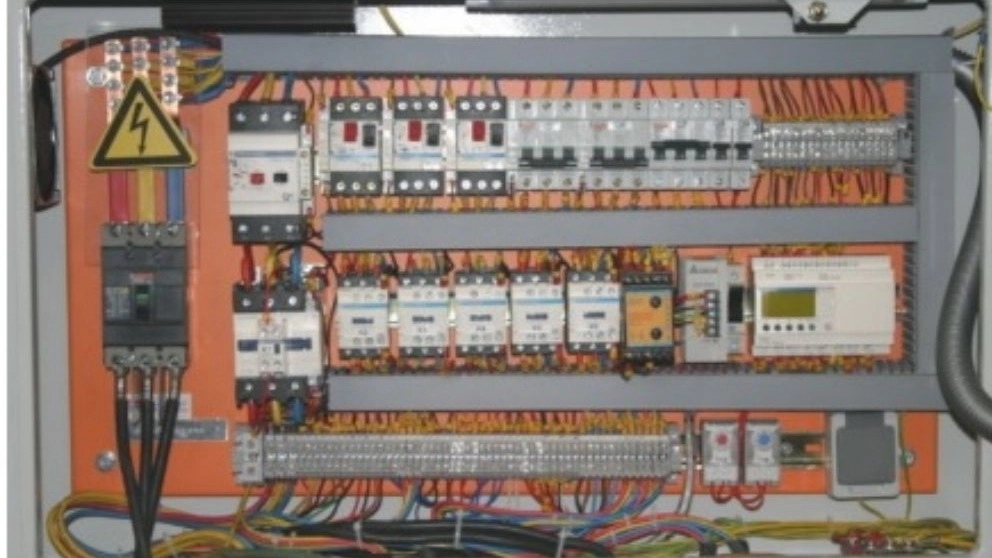


What is an Industrial Electricity Panel?
In fact, the electrical panel is a container that contains electrical equipment, and of course, the panels can also contain pneumatic equipment, such as solenoid valves, compressors, etc.
In general, it should be noted that in order to learn the techniques related to electrical panels, it is necessary to learn several main items, which I will briefly mention below:
1. General principles and standards related to electrical panels and electrical enclosures, such as IP protection degree and classification of separation of enclosures, Segregation and dealing with atmospheric factors, etc.
2. Specialized principles about electrical panels, rated values such as rated voltage and current, etc.
3. Familiarity with electrical equipment and their function and how to choose them correctly
4. Familiarity with electrical installations and familiarity with related calculations
5. Familiarization with lessons such as relays and system protection - electric substation plan and...
6. Familiarity with the design of command and control circuits and logic
In order to learn each of the mentioned techniques, it is necessary to learn them separately. Of course, when it comes to electrical panels, the above-mentioned items one and two are much more prominent.
Of course, other important sciences also play a role in the profession of panel making, which I will refrain from naming all of them, such as the science of ergonomics and...
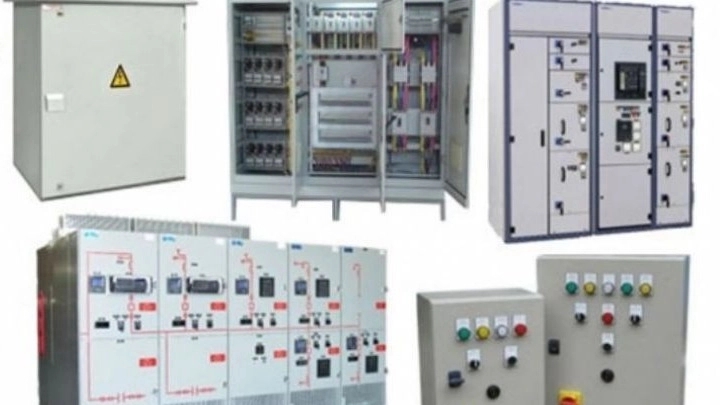
In general, there are general principles and standards as well as general definitions about electrical panels, and it is very important, for example, the type of panel in terms of their construction, for example, standing, wall, table, rack, etc., and each of them is a unique building. They are different for each individual and their use is also different.
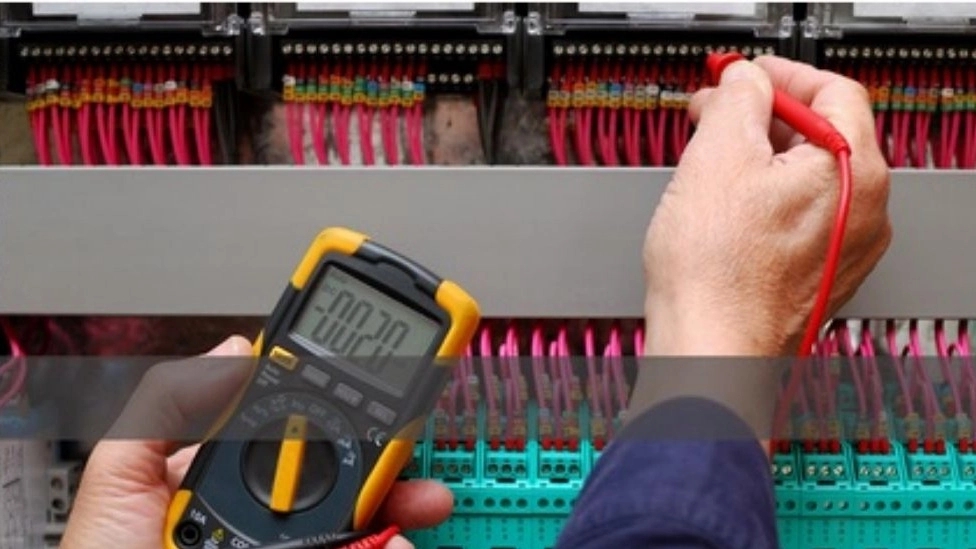
Electrical panels:
Types of signs: standing sign accessible from the front - cellular - wall-mounted, and these signs can be main, semi-main and secondary.
The main panel: it is connected to the power station and to the weak pressure side of the transformer.
Semi-main switchboard: In this way, the electrical switchboards of the building block or an independent part of the complex are distributed and fed from the main switchboard.
Sub-panel: It is used to distribute and control a special electrical system, such as the house engine, lighting, etc., and is fed from the main panel.
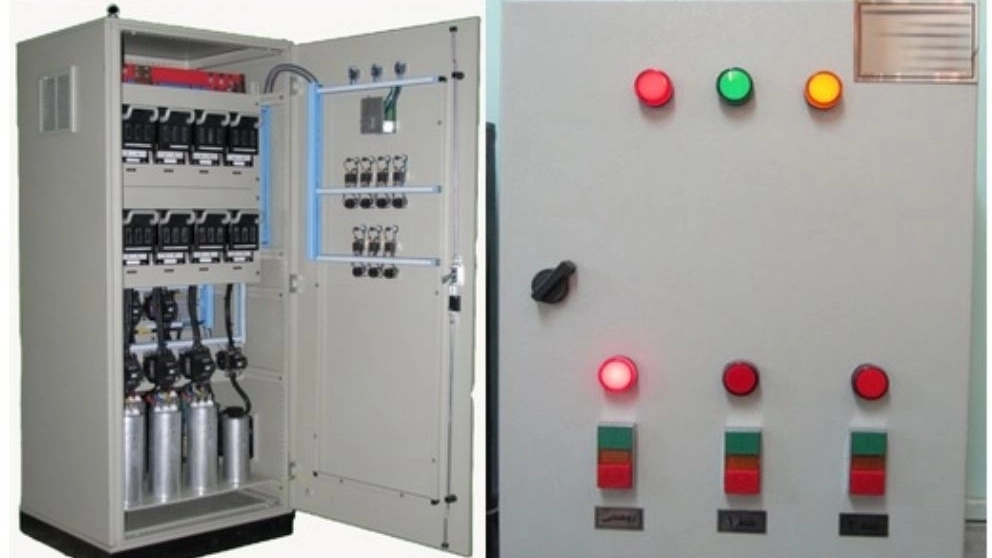
Usually, the house's motor boards are of standing type and the rest of the boards are of built-in type. This list includes the thickness of the sheet - the frame of the panel - the cover - the type of paint - the type of work - the fittings - the type of the panel (one door - two doors - normal - emergency), the name of the manufacturer of the panel - the name of the panel - the signal light (color - number - wattage) - Type of lamp - fuse) specifications of the fuses inside the panel plus the fuse base - miniature switch (single phase - three phase - tolerable voltage) (relay - contactor - rotary switch (with full specifications) terminal specifications - phase bus specifications - neutral - insulators behind the bus - The type of internal wiring of the board - the type of wiring line to the board - the way of transferring the wire in the board (trunking - using a belt), using one piece of wire in the board - numbering the lines on the terminal - using the cable. All these titles have complete specifications. The presence of these specifications makes the board last longer - less risk and easier replacement.
• It is necessary to have an earth wire in the electrical panel with a green color.
• R-S-T lines are better with yellow-red-blue color - neutral wire with black color.
• Some signs have a series of keys (START-STOP) on the door of the signs, or a rotary switch that is used to turn on and off the lighting or the engine.
• They draw two types of maps for the panels: 1- Riser diagram, where the location of the panel is indicated. 2- The map inside the panel (where lines - fuses and keys are drawn).
• Tips related to compliance with safety issues are based on the publication of the Program and Budget Organization or 110.
• Shins are painted with fireproof paint.
• The input key must be automatic. In cases where the key and fuse are used separately, the key must be installed before the fuse. so that by turning off the key, the fuse is also cut off. The main key should be turned as much as possible and a cartridge fuse should be used.
• The internal wiring of the panel should be done with a single-layer copper wire with insulation of at least 1000 volts with a suitable section.
• The height of the top handle of the panel should not be more than 175 cm and the middle part should be 160 cm from the ground.
• Use 1.5 wire for lighting with a 10 amp miniature switch and 2.5 wire for a socket with a 16 amp miniature switch.
• The calculation of the cable is done through the cross-section as mentioned in the third section.
The constituent components of each panel:
Electrical Equipment:
Electrical appliances used in the panel. It consists of all the elements that are placed in the electric circuit. (except for the communication section)
Contactor: the agent for disconnecting and connecting the remote control circuit
Bi-Metal: the direction of the command cut off due to the passage of high current
Types of relays: to send disconnect or connect commands due to various factors and errors (such as phase control relay, load control relay, time relay or timer, etc.)
Types of switches: for connecting and disconnecting the circuit (such as selector switches, roller switches, bush buttons, microswitches, float switches, etc.)
Measuring equipment: to calculate variable parameters (such as ammeter, voltmeter, wattmeter, frequency meter, cosine meter)
Current transformer or CT and voltage transformer or PT: to reduce or increase current or voltage
Body: The metal part that encloses the equipment.
Communication: Equipment communication is established by conductors. (such as wires, tires, cables, etc.)