
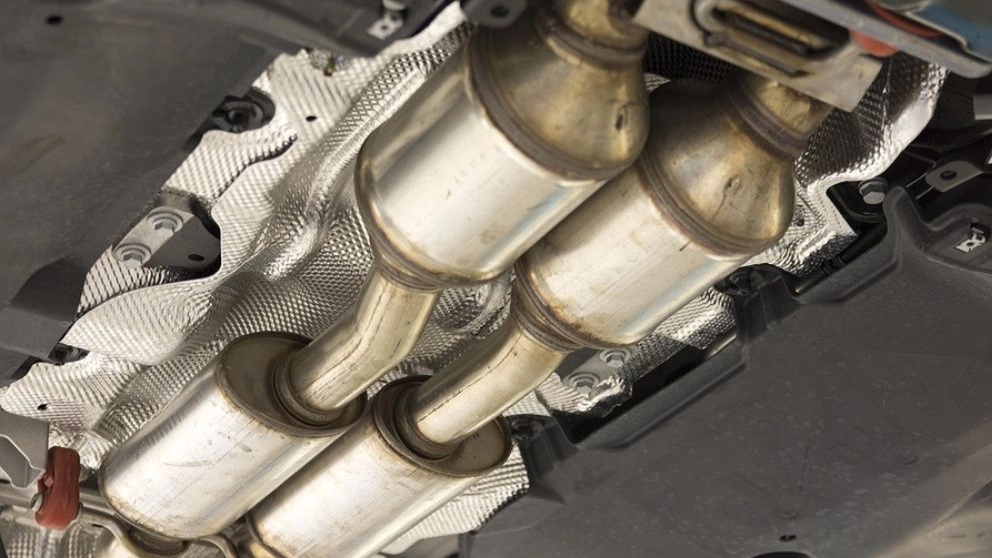
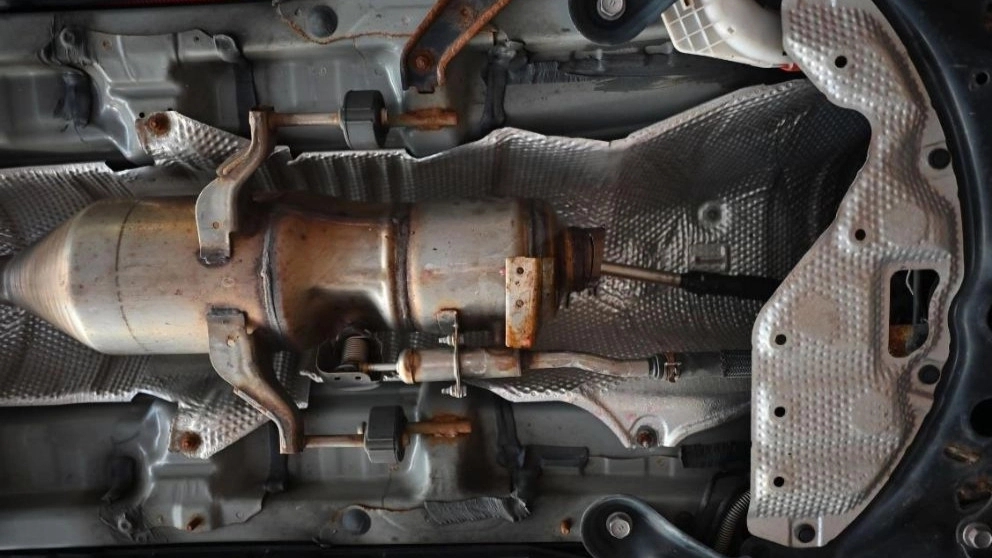
The catalytic converter has the task of neutralizing the toxic gases that are caused by the fuel consumption of the car. Therefore, this device plays a significant role in the cleanliness of the air and the environment of living beings. Naturally, the breakdown or failure of this important device causes irreparable damage to the environment, and the harmful effects that remain may affect human life and the planet for years. Whether you are healthy or not, it is not so easy while driving, so you should be careful to diagnose its problems and breakdowns as soon as possible in order to avoid the heavy costs of repairing it. The symptoms of catalyst failure are not as obvious as an overheating engine or flat tires, so if you keep driving with a bad catalyst, the problem will get worse and worse.
What does the catalyst converter do?
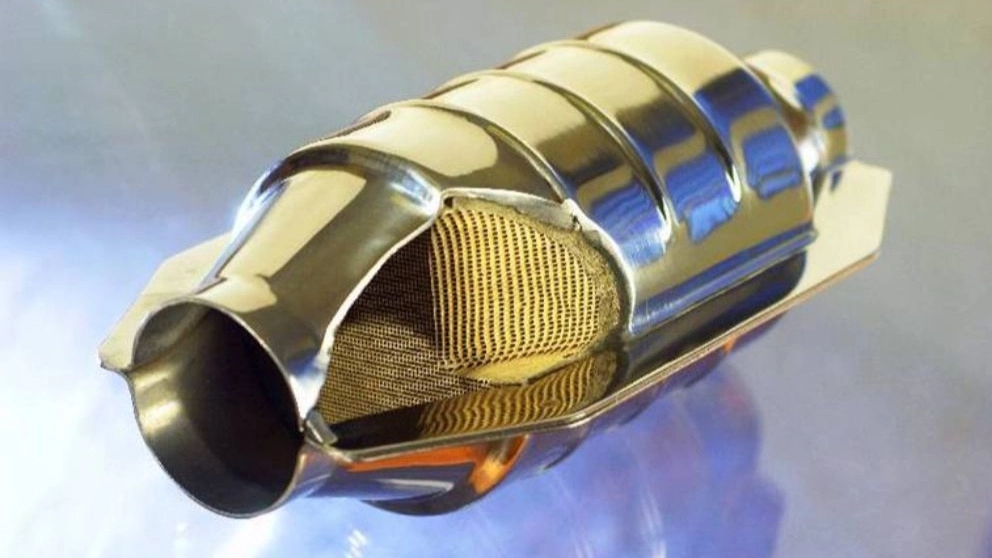
The catalytic converter is placed between the engine and the muffler in the exhaust of the car. The main function of this device is to reduce the greenhouse gases released from the car and protect the environment. This metal canister is filled with a chemical catalyst that turns the gases emitted from your car into less effective gases or eliminates them altogether. A good catalytic converter reduces the emission of these gases: hydrocarbons, carbon monoxide (two-way converter), nitrogen oxides (three-way converter). Unlike a good converter, a bad converter emits more than the legal limit, so a car with a faulty catalytic converter can't get a MOT sticker from the traffic police, and as a result you can't legally drive your vehicle. drive Of course, it rarely happens that the life of catalytic converters is shorter than the life of your car's engine
Four methods (test) of your model troubleshooting
Clogged exhaust system will reduce engine power and many other problems. If you doubt the operation and health of the converter installed on your car, you should test the system; This test requires a vacuum amp. Vacuum gauge is a very useful identification tool that works and is used in the repair of other parts of the engine as well.
2. Clogged Converter: Back Pressure Test
Just like the vacuum test in the previous section, the back pressure test can help diagnose a clogged exhaust system, but this test is performed directly on the exhaust system rather than the catalytic converter or Detect the muffler or connected pipe. This simple test requires a rear pressure gauge.
To perform this test, remove the rear or front oxygen sensor. Sometimes, it is difficult to remove the oxygen sensor, because the exhaust system runs at high temperature, which causes the sensor to stick to the holes of the threads on which it is mounted.
3. Catalyst Efficiency: Temperature Test
If the efficiency of the catalytic converter is too low to stop exhaust gases properly, the catalyst monitor (rear oxygen sensor) reports this to the computer. In these cases the vehicle's computer will illuminate the Malfunction Indicator Lamp (MIL) and store a code, usually P0420 to P0424. However, you can test the efficiency of your catalytic converter using a suitable kitchen thermometer or, better yet, an infrared thermometer.
4. Catalyst Bed Status: Milk Test Pellet catalytic converters use small ceramic grains coated with catalyst. Pellets may disintegrate due to excessive heat. Other vehicles use an "integral" converter, which is a ceramic honeycomb that sits inside the catalytic converter. This substrate is held firmly inside the converter. But if the transducer is hit directly by a hard object or is hit in an accident, this substrate may crack. Also, operating in excessively hot temperatures for a long time may break the internal structure. To test the physical condition of an integrated converter, you can use a plastic mallet or a regular hammer wrapped in a piece of cloth.