
☑️ Floor tile
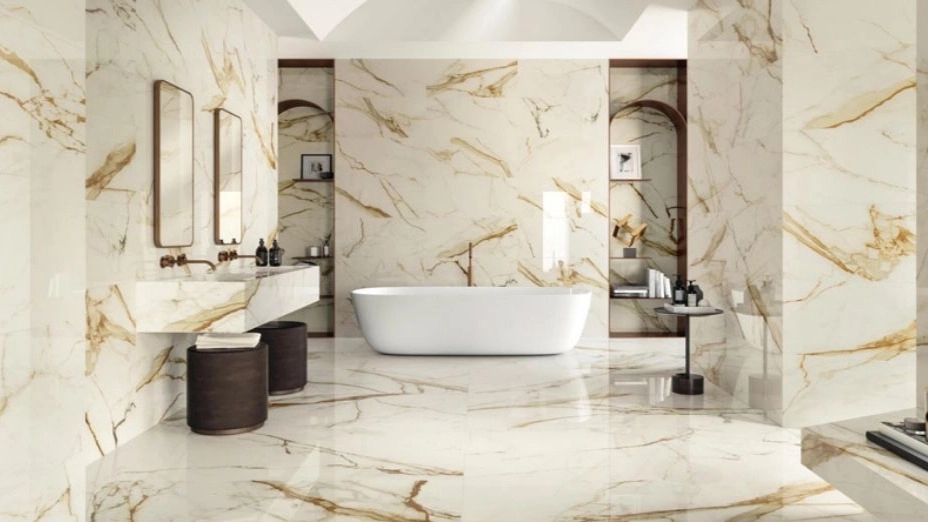
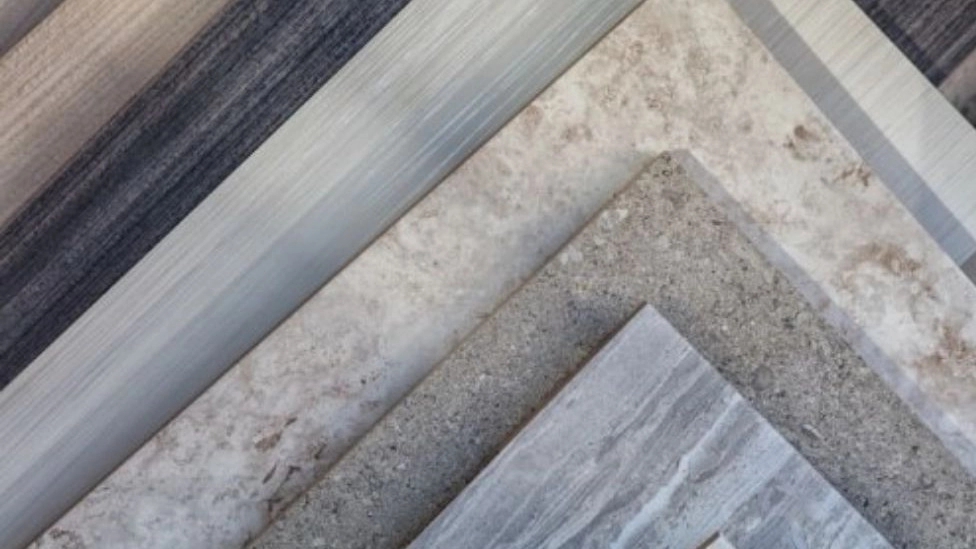
There are tiles that are used to cover the floor of the building. Floor tiles should have relatively higher strength than wall tiles, the reason being that floor tiles have high friction in the vicinity, so it should be durable against wear and tear and its water permeability is relatively high. be down This is because these tiles are kilned at a higher temperature than wall tiles. In addition, floor tiles are thicker than wall tiles.
☑️ Wall tile
As mentioned, the oven temperature for baking these types of tiles is lower than the floor, so the amount of water absorption in them is relatively higher, and the glaze used in them is more transparent due to the low baking temperature. Water absorption in wall tiles is necessary and necessary if it is in accordance with the standards and is not considered a negative point in any way. Wall tiles should not be used for facades and exteriors of buildings because they have high water absorption. Except for special cases of tiles that have low water absorption.
☑️ Porcelain tile
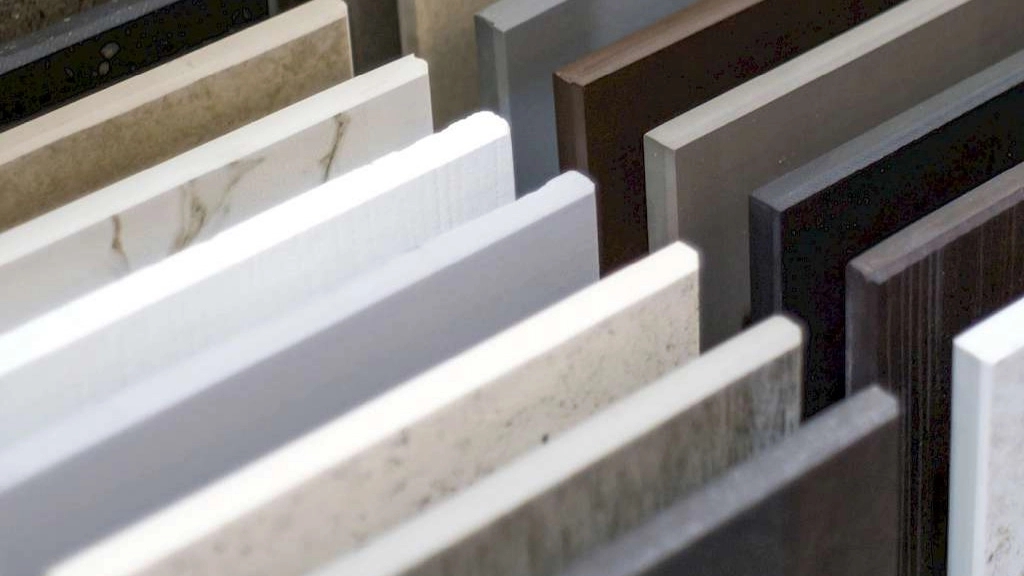
This type of tile is also made from white clay and baked in special conditions, which can be mentioned as press pressure and high baking temperature, and the product obtained from this method has parameters such as fracture strength, wear strength is more and their permeability is much less. This type of tile is highly resistant to frost, erosion and chemicals. Therefore, there is no problem using them in busy roads. The back of most porcelain tiles is white, but in some cases it may not be white.
☑️ Granite tile
A type of porcelain tiles that are unglazed and polished is called granite. These tiles have high resistance like porcelain tiles and their water absorption rate is much less. Note that granite tile is completely different from granite stone.