
☑️ Flexibility in Design
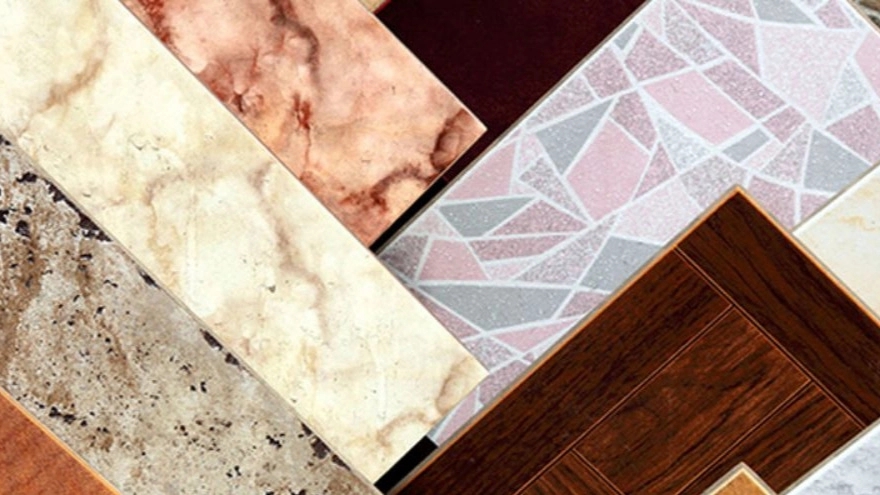
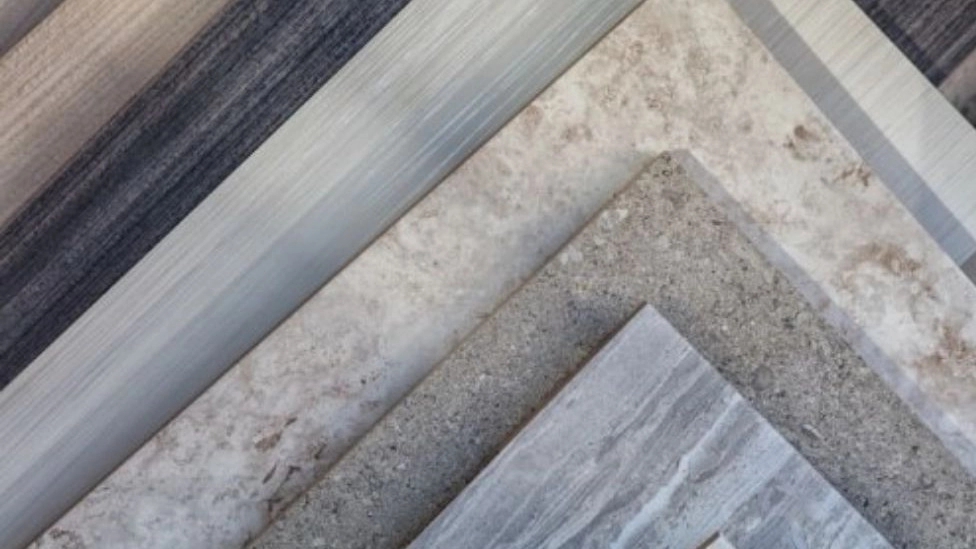
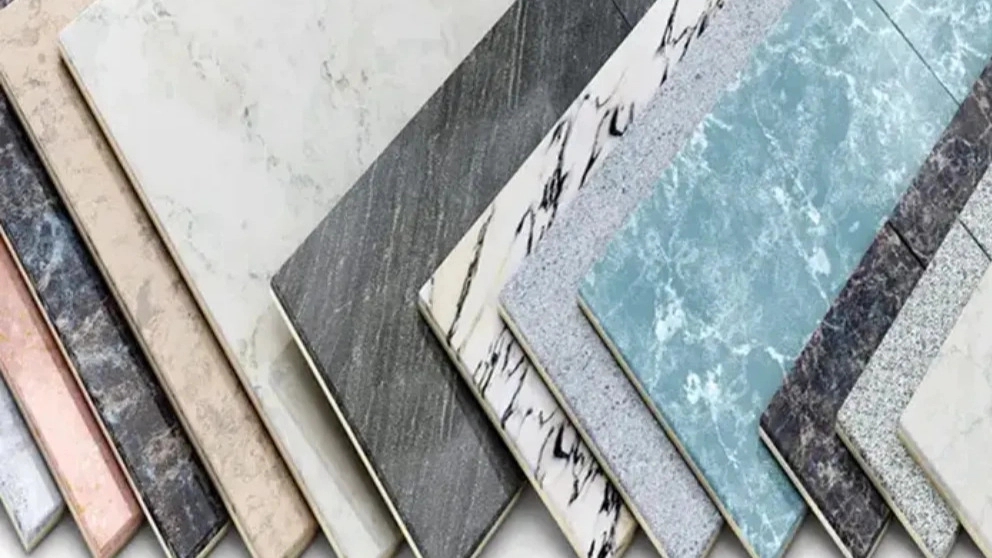
Porcelain tile can work like other traditional flooring such as marble, granite, wood, metal, bamboo and cork. Visually, there is no difference between these floor coverings and the real floor covering.
☑️ resistance
Porcelain tile is the hardest type of tile available. Porcelain is hard, dense and strong and has high resistance to environmental pressures and is used even in commercial environments. Overall, this material ranks 5 in the PEI rating, which is suitable for high-traffic spaces such as living rooms and heavy equipment.
☑️ water resistance
The density of particles that make up porcelain tiles makes this material more resistant to water penetration than ceramics. This advantage is increased by using a fused glass glaze that makes it completely resistant to water penetration on any surface it sticks to.
☑️ Anti -stains
One of the other advantages of porcelain floor tiles is its natural anti-stain resistance. Resistance to liquid penetration means that staining agents cannot penetrate the material. When the porcelain glaze is used, this effect is multiplied and it makes the color of these tiles almost impossible.
☑️ less maintenance
Waterproof and anti-stain resistance of porcelain floor tiles makes it easier to maintain. The stain can be quickly removed from the floor porcelain with a damp cloth, and the dust can be easily removed from the floor by sweeping, thus protecting the glaze surface. Regular washing with soap and water solution disinfects the environment.
☑️ Fireplace
Porcelain does not burn under any normal conditions. Using porcelain during a fire limits and reduces the transmission of flames.
☑️ Restoration
Porcelain floor is resistant to cracking and breaking due to physical damage. However, if the tile is damaged, a piece of porcelain alone cannot be separated and replaced. It is better to keep an extra box of the same color product during installation.