The types of pipes that are used in sewage piping, such as galvanized pipes, cast iron pipes and PVC or plastic pipes. Galvanized pipes are divided into two categories: galvanized steel pipes and galvanized steel pipes. are divided.
Plumbing connections
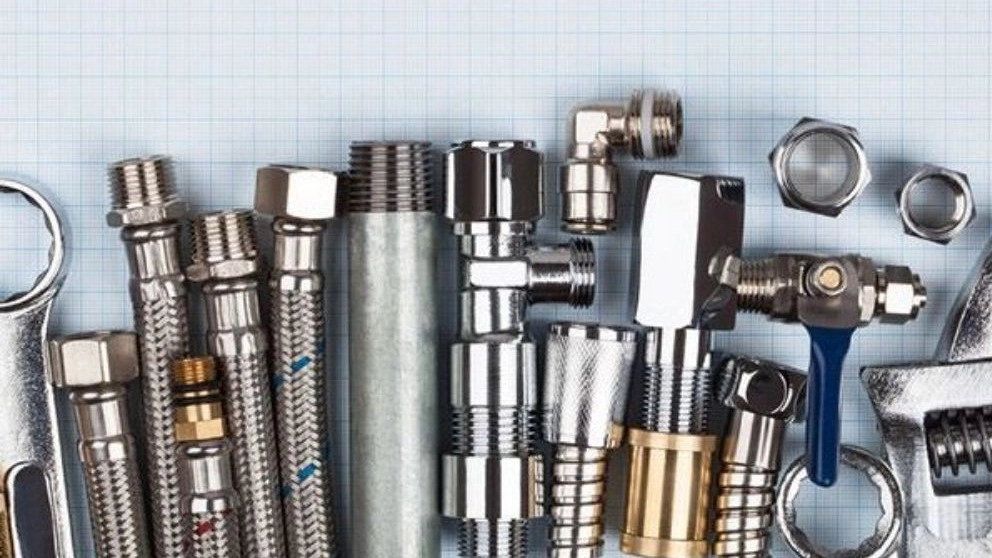
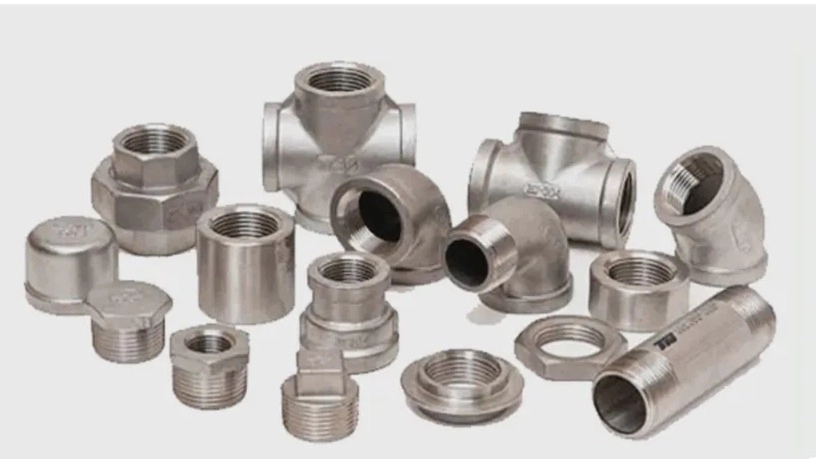
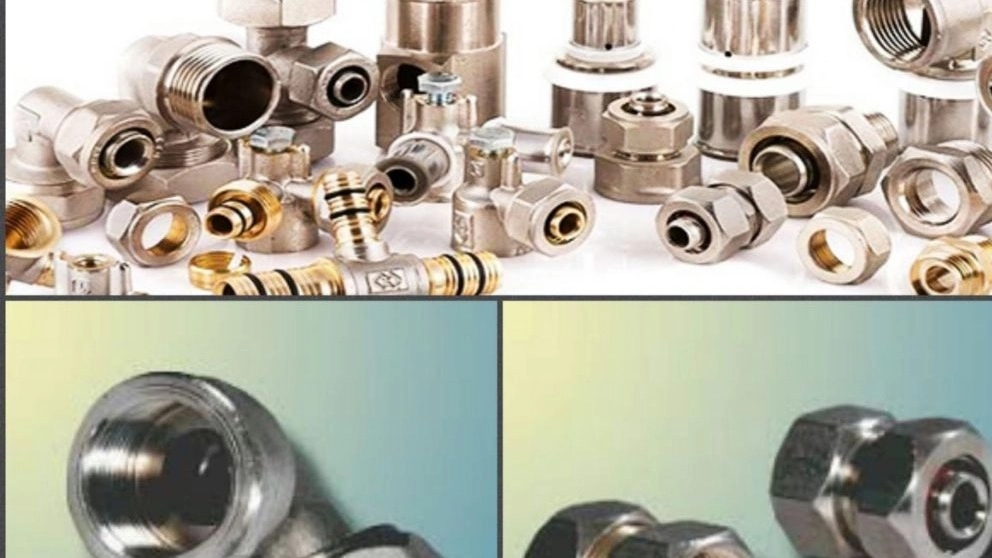
There are different types of connections in plumbing and the use of each of them is different in different situations. Using fittings makes it easy to repair the pipes when problems arise. An example of the most commonly used types of plumbing fittings in the building, such as pipe fittings, pipe caps, pipe nuts, connecting tees, connecting intersections, types of bushings, elbow joints, flanges and washers.
What are the basics and basics of building plumbing?
Observing the basic principles in building sewage piping is very important. The thing that must be followed in order to do the work is to connect the pipes in such a way as to prevent sedimentation inside it, and other points that you should pay attention to are their proper sealing and air sealing. If their sealing and air sealing are not formed correctly, it will cause a bad smell inside the building. Choosing the correct and appropriate route for building piping in order to prevent the pipes from bursting is one of the important points that should be considered. It should be noted.
At the time of installing the pipes, we must pay attention that the pipes are placed in such a way that they do not bear heavy weight. Placing a suitable device under it can increase its resistance and tolerance to a great extent.
⚫️ Polka pipe or PVC pipe:
These tubes are in addition Because they are highly resistant to alkalis and acids, they are suitable for temperatures between 10 and 60 degrees Celsius and are used for water supply and sewage systems.
⚫️ Propylene pipe or PP pipes:
These pipes are mostly used in water supply systems and industrial systems in the temperature range of 40 to 140 degrees Celsius and have high resistance to acidic mixtures, acids and salts.
It should be noted that all three types of PVC pipes, polyethylene PE, propylene PP are produced and marketed by cold drawing method. PP propylene pipes, in addition to their uses and merits, also have disadvantages that we mention below.
Their continuous heat endurance range is maximum 65 degrees Celsius and the pressure they can withstand is 20 bar.
These types of pipes are not used in heating systems because they are not allowed to be used.
PP propylene pipes, even in the case of standard production, do not have much resistance to ultraviolet rays or sunlight, and it is possible to destroy them.
Due to the high coefficient of longitudinal expansion of these pipes used for long lengths, they are limited.
In non-standard pipes, it is possible for light to pass easily, which causes problems such as the growth of algae, which will lead to health problems.
In components of closed thermal systems with oxygen penetration, pipe corrosion may be aggravated.
These pipes do not have high flexibility and they may burst or change shape over time due to the pressure of these pipes, which are also considered as disadvantages of these types of pipes.
In the state of no flow, the maximum water pressure behind sanitary ware of water piping networks should not exceed 4 bar or 40 meters of water column. Also, the maximum allowable pressure for cold and hot water distribution piping components at an operating temperature of 65 degrees Celsius should not be less than 10 bar. Valves that are used in hot and cold water distribution piping must also be compatible with the type of pipe and fitting in terms of material, wall thickness, size, gear type and other specifications.