

☑️ The best horse ration
Nowadays horse nutrition is becoming more and more specialized like other animals owned by human society. Especially horses with special uses such as sports or racing horses (racing horses, jumping horses, chariot races, endurance and polo races, etc.) The so-called superior blood has its own specific nutritional characteristics due to its high value or heavy sports activity, which has made balancing and producing the optimal feed formula a very detailed matter for them. The formula of an optimal ration according to the breed, age, gender, type of use of the horse (production horses such as foals and mares, sports horses and beauty contests, horses with recreational riding activities or boarding horses, etc.) and whether the horse It is possible to graze in the pasture or not, and special cases such as the history of diseases (especially cases such as colic or lameness and laminitis caused by feeding, etc.) considered in the production formula and provided to the horse. In addition to the horse ration formula, the way it is produced, the size and texture of the feed particles, palatability, the way and frequency of feeding and other matters related to the nutritional management of horses also play a very important role in providing optimal nutrition for horses. . In the rest of the article, an attempt is made to address the main points required for optimal ration or nutrition in horses. Of course, if the horse owner or any person responsible for horse feeding does not have enough experience and technical knowledge, he must definitely benefit from the advice and training of highly specialized people for optimal feeding and production of the best possible ration for the horses under his management. br>
What is a horse food?
The feed of a horse should, in general, according to its conditions and needs, meet sufficient amounts of the requirements for the main groups of vital and required nutrients; Such as vitamins, minerals, energy sources (non-fibrous carbohydrates or fats), essential and beneficial fatty acids (especially polyunsaturated fatty acids or PUFA and more specifically omega-3 and omega-6 fatty acids), protein and amino acids, fiber sources, etc. Considering that horses are herbivores by nature, their ration is based on fodder (especially hay and straw), which must be included in modern horse nutrition as well as horse concentrate. Because today, in many cases, there is certainty that fodder alone meets the nutritional needs of horses, especially certain groups such as pregnant mares, growing foals, sports and racing horses, old and weak horses, etc. .. is not.
1 - Forage (especially alfalfa)
As it has been said, the essence of horses is known as a herbivore and herbivore, which forms the basis of their nutrition. In using fodder to feed horses, in addition to paying attention to the quality and quantity of their use and the size of their particles, attention should also be paid to the special physiology of the digestive system of horses among grass-eating animals. Although horses are herbivorous animals, they do not have a large multi-part stomach like polygastrics or ruminants like cows, and have a small stomach relative to their size.
Also, unlike polygastric ruminants, horses do not perform microbial digestion of dietary fiber (mainly of forage origin) in the anterior part of the digestive tract (lacking a rumen for this purpose) and the digester in the hindgut fermentator. are. In particular, the population of microorganisms that coexist with the animal, which are located in the large intestine and colon, play an essential role in fiber digestion.
These cases make the use of fodder in feeding horses different from other herbivores, especially ruminant animals. If proper quality and quantity, proper particle size, and regular and sufficient feeding times throughout the day are not taken into account, it can be one of the causes of annoying and even fatal problems such as severe colic. If the ratio of fodder to concentrate in the daily feed of horses is not appropriate (especially low), it can lead to problems such as stomach ulcers (especially EGUS type or Equine squamous gastric ulcer syndrome).
2 - Cereals
3 - Horse supplements
It is recommended to refer to the relevant experts to choose the necessary or useful supplements for each horse and to avoid excessive or tasteful use of supplements. Various specialized supplements for each group of horses (such as a growth supplement or a special supplement for Corsican horses, a supplement for Silamis, etc.) or improving a specific function or organ (such as a hoof supplement, joint supplement, so-called muscle-building supplement and...) or there are general horse supplements, and they are offered by different companies or various formulas, they have made the choice difficult and complicated, so in order to avoid the inappropriate choice and waste of money spent on purchasing supplements, obtaining advice Expertise is very important for choosing a supplement.
4 - Horse concentrate
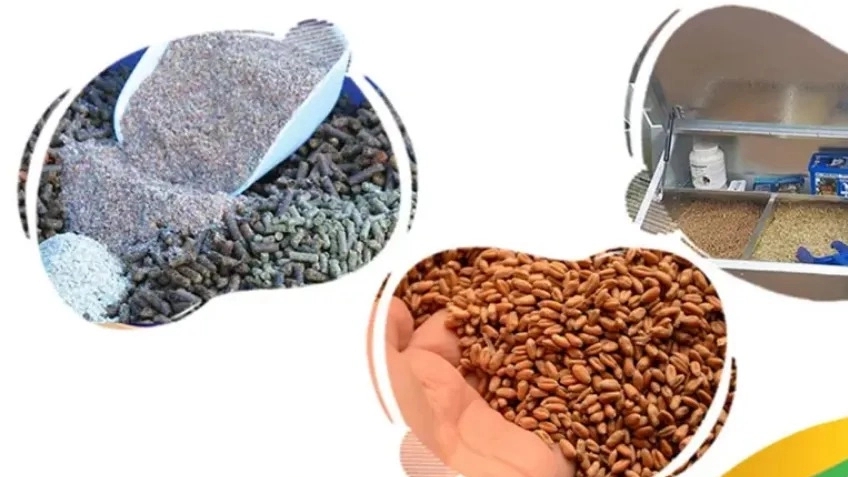
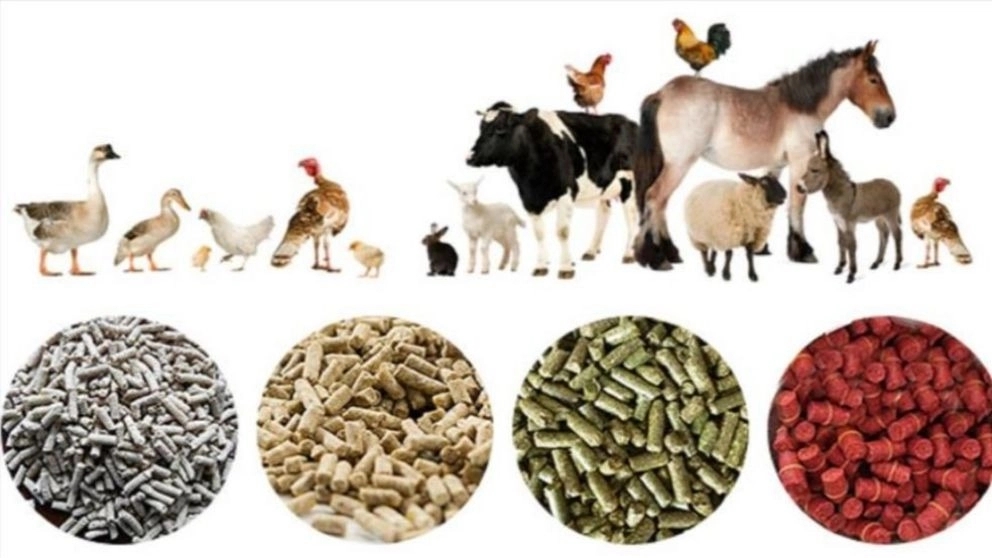
For example, there are ready-made horse concentrates in the form of powder, pellets, or so-called nuts, or even recently, wet concentrates, which are available in various packages in terms of shape and quantity, and different groups such as foals, pregnant mares, Highly active and athletic horses or old and less active horses or other groups are considered as the target group with their special formula. Of course, most of the horses, such as highly active and athletic horses or pregnant and lactating horses, which have more energy and protein needs than forage can provide, are considered the main target group of concentrates.Some sources have stated that some groups may even need It is not necessary or vital to consume any concentrates, or finally, the consumption of a suitable vitamin-mineral supplement is sufficient for them. In any case, it should be kept in mind that horses need to consume at least 2% of their body weight daily, and in many sources it is recommended that at least 50% of this feed be fodder.
5 - Consumption of water
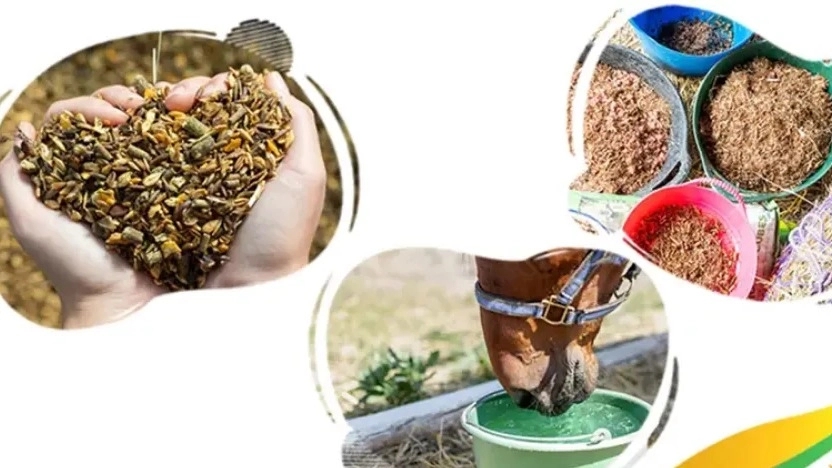
Maybe most equine nutritionists always talk about protein, energy, fat, fiber, etc., but this is without taking water as the number one priority in terms of being vital for The animal is accompanied by oxygen. Water is involved in all vital functions of the body, from food digestion and lubrication of joints and filtration of waste materials to other vital systems that are at risk with its deficiency. A horse can survive for a relatively long time without food, but without water it only takes 48 hours for many problems to develop such as colic, severe weakness and lethargy, kidney failure and other life threatening problems. It can collect its daily water requirement within 5 to 10 minutes by accessing a clean, pleasant and easily accessible water source, but for horses that are not traveling on a path in a natural area (especially desert and dry) and The time of access to water is not limited, constant access to suitable water is a very useful recommendation. Their water is supplied by the mare's milk, but at about one month of age and when they start eating dry food, they may drink up to a gallon (about 4 liters) of water a day. By increasing the consumption of dry feed and going towards stopping the consumption of milk, their need for water consumption increases continuously, and in old or less active horses, the amount of daily water requirement is less than in young and active horses. Various factors such as the amount of activity and daily sweating and the ambient air temperature, etc. determine the daily water requirement.