



polyvinyl chloride (PVC)
Polyvinyl chloride, abbreviated as PVC, is one of the most widely used synthetic polymers in the world. This plastic material is made of vinyl chloride monomer and is widely used due to its special features.
History
It was discovered in 1872 by the German chemist, August Wilhelm von Hoffmann. However, its commercial use did not begin until the 1920s. At this time, technologies were developed for the stabilization and processing of PVC, which led to its mass production and widespread use.
Features and Properties
chemical resistance
It is resistant to many chemicals, which makes it suitable for use in pipes and industrial connections.
Weather Resistance
It is resistant to moisture and temperature changes, so it is suitable for external applications such as windows and facades of buildings.
flexibility
By adding plasticizers, PVC can become more flexible and is used in products such as cables and wire covers
Applications
PVC is used in a wide range of products:
Building & Construction
Pipes, fittings, windows, doors, flooring, wall coverings
Medicine
Blood bags, medical tubes, surgical gloves, pharmaceutical packaging
Automotive
Car interior covers, wiring and decorative components
Consumer Products
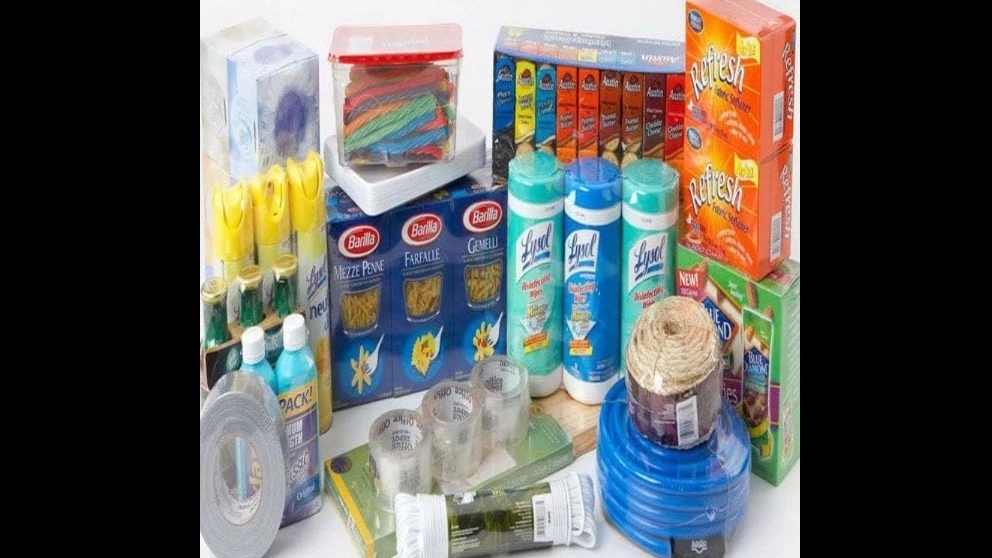
Toys, household appliances, food packaging, credit cards
Benefits and Disadvantages
Advantages
Long life and resistance to wear
Low production cost
Ability to recycle and reuse
Disadvantages
Environmental issues related to production and disposal
Release of harmful chemicals in case of burning
Environmental Issues
Its production and disposal are followed by environmental concerns. Production involves the use of chlorine and other toxic chemicals. In addition, burning it can release dioxins, which are very toxic chemicals. For this reason, recycling and proper management of its disposal is very important.
Summary
PVC is one of the most important polymers used in various industries due to its unique features and wide applications. However, proper environmental management and the development of greener technologies for its production and disposal are of great importance.