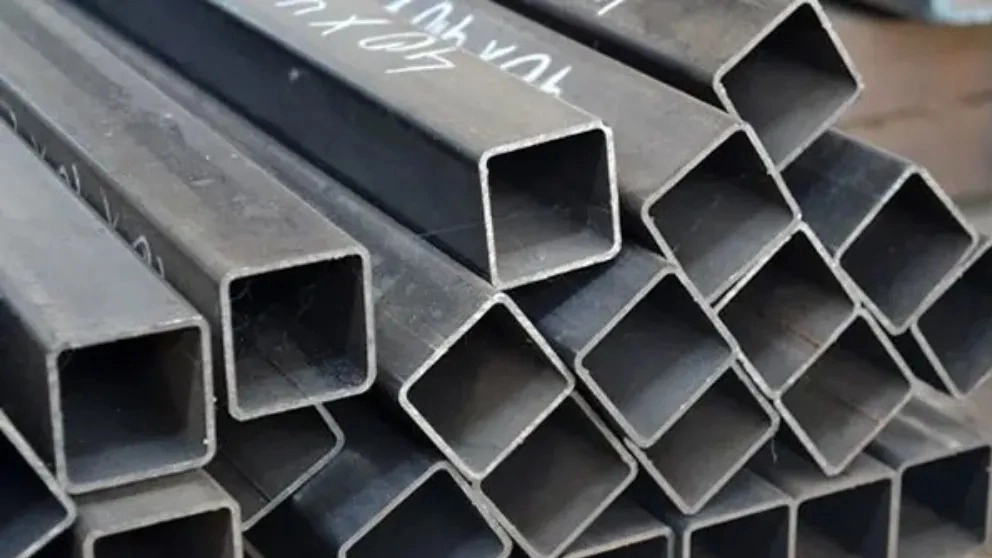
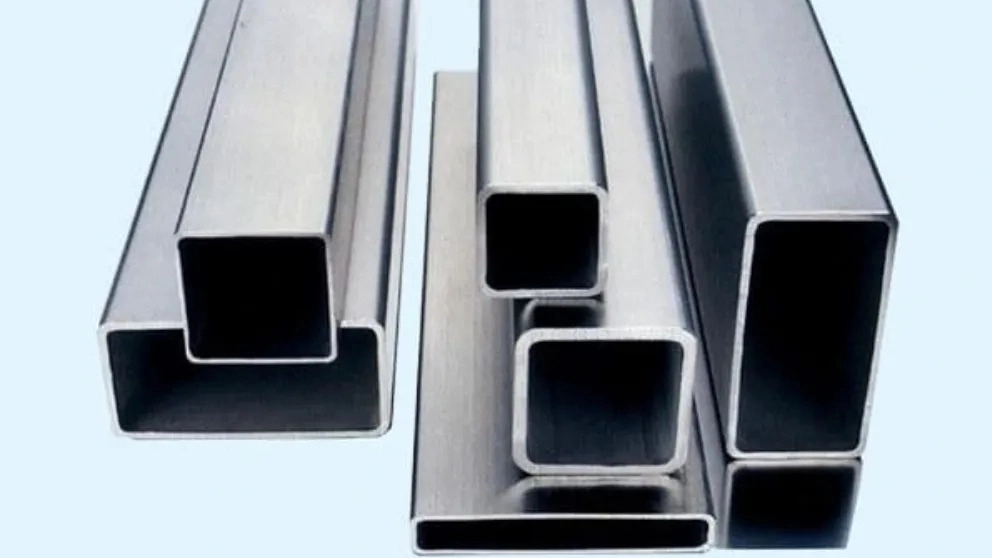


Profile products have been known on the European continent for more than a hundred years. and after the Second World War and with the increase in population, the need to use them was felt more. Different shapes of profiles were imported from America to Europe in the 1950s and about ten years later, they were noticed by engineers. This wide acceptance was due to the simple assembly and low manufacturing cost of the profile. One of the first profile productions in Europe dates back to 1980 when a bridge was built in Scotland with this product.
Perhaps at the beginning and with the introduction of the profile product, it was only used in the construction industry, but later on when engineers became familiar with its numerous advantages took this product to different industries. A list of profile applications in various industries include door and window manufacturing, guard manufacturing, fence manufacturing, roof covering, shop shutter manufacturing, bridge manufacturing, automobile manufacturing, military industries, and urban construction.< /p>
☑️ Profile, Soldier with a History History
Profile refers to a set of long steel sections with a certain cross-sectional area, such as rebar, beam, shield, corner and stud. Profile has been a constant companion of the industry in such a way that it is impossible to imagine its absence. Types of profiles include open profiles and closed profiles. Open profiles such as corners, studs, shields and beams, which are used for load transfer and construction of metal structures. Closed profiles, such as cans, tubes, and door and window profiles, are used in the construction of columns, beams, trusses, and doors and windows.
Therefore, it can be said that the can is also one of the subsets of the profile; However, they have differences from each other.
But the reasons why we say that a can is a subset of a profile go back to the definition of the profile, the characteristics of the can, and the classification of the can.
Profile definition: A profile is a set of long steel sections with a specific cross-section.
Specifications of the can: The can is a kind of hollow metal section with a square or rectangular section, which is produced from steel sheet by hot rolling or cold rolling process.
Classification of cans: Cans, as a type of closed profile, are included in the category of steel sections.
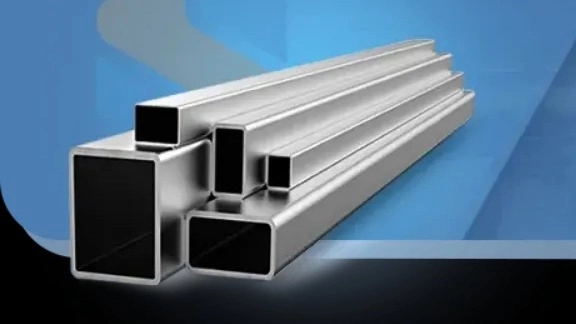
☑️ Symptoms and differences of cans and profiles:
Similarities:
Both are made of steel.
Both are used in construction and industry.
Both are produced in different types and with different dimensions and thicknesses.
The differences:
Cross-sectional shape: cans have a square or rectangular cross-section, while profiles are produced in various shapes such as U, I, H, etc.
Production method: Cans are usually produced by cold rolling and profiles by hot rolling.
Weight: Cans are usually lighter than profiles due to their lower thickness, and for this reason, their resistance is also lower, and it can be said that the strength of the profile is greater than that of the can.
Resistance: Profiles are usually more resistant than cans due to their geometric shape and greater thickness.
Welding: Cans can be easily welded, but profile welding is a bit more difficult.
Price: usually the price of the profile is higher than the can.
☑️ cans of the cans:
Construction of columns, beams and trusses
Construction of doors and windows
Making metal furniture
Manufacturing of industrial equipment
☑️ Profile Applications:
Construction: metal framework of buildings, columns, beams, trusses, doors and windows
Industry: manufacturing machinery, industrial equipment, bridges, sheds
Automotive: car chassis, body parts
Furniture: table and chair bases, shelves