


What is a refractory soil and what are the characteristics?
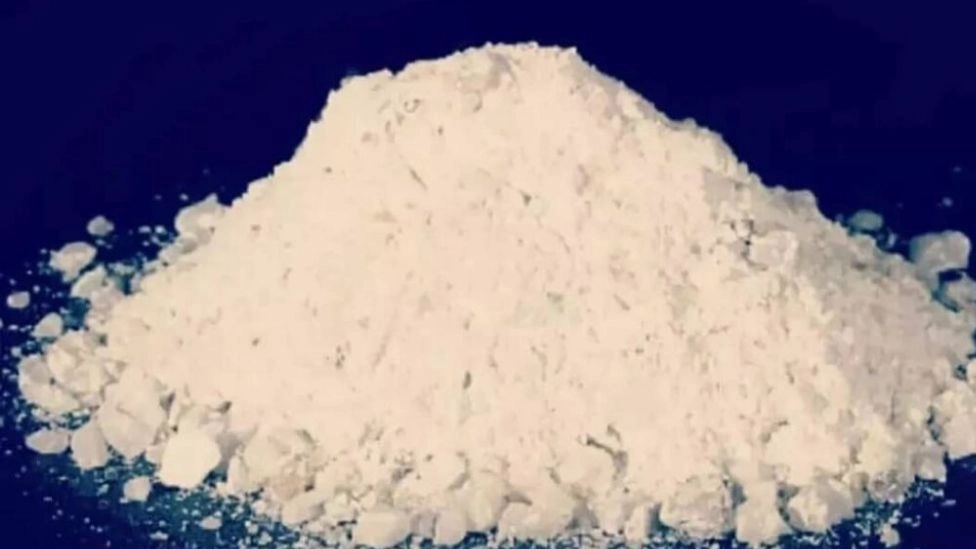
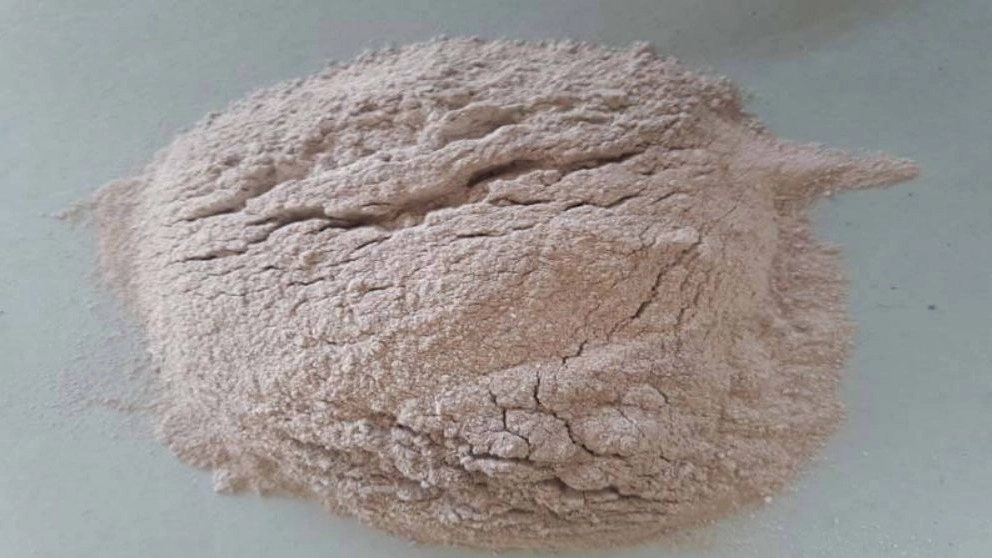
You can see a picture of fireproof soil in detail. Fire clay is a normal clay, simply put, but clay with a higher alumina (AL) content. This soil is usually whiter and lighter in color: off-white to yellowish, pinkish, light brown.
It is also as cheap as flowers. Suppliers of refractory materials or pottery sell it. Even if it is in dry powder form in bags, fireclay is still very heavy. If you buy the clay as a dry powder, you only need one bag to make each dome. Usually, the content of alumina in refractory soil is between 24%-34% and silica between 50% and 60%.
In terms of mass, even if it is in dry powder form with a density of 1.303 g/cm3 or 0.753 oz/m3 respectively, fireclay is still a heavy product compared to cement and whenever a bag of fireclay I pick it up and notice it. Using this fire_clay volume vs weight online tool, units of measurement can be easily converted/calculated.
This type of clay has a very high melting point. Once finished and baked, in addition to the high temperatures of some production lines, it holds up to very high temperatures such as those found in furnaces, ovens, and racks.
Fire clay can be used to create fire-resistant chimneys and for the safety of fire-resistant pads. Another use is when an oven is built in front of the fireplace with fire clay to reduce the risk of fire.
This refractory soil has many features, including the ability to absorb water and form a paste mass in desired forms. The variety of ingredients and compounds in refractory soil has caused this material to have many applications in different industries.
For example, refractory soil can be used in tile, ceramic, glazing, primary industries such as metallurgy and steelmaking. In addition, this soil can be used in the production and preparation of refractory bricks, which are used in the repair of glass and ceramic furnaces, etc.
How can the refractory soil be found and collected in nature?
Source of fireclay in nature: Well, maybe no one sells fireclay where you live. Don't worry because you will not be the only person in this situation. Close your eyes and think about this..., try it a few times.
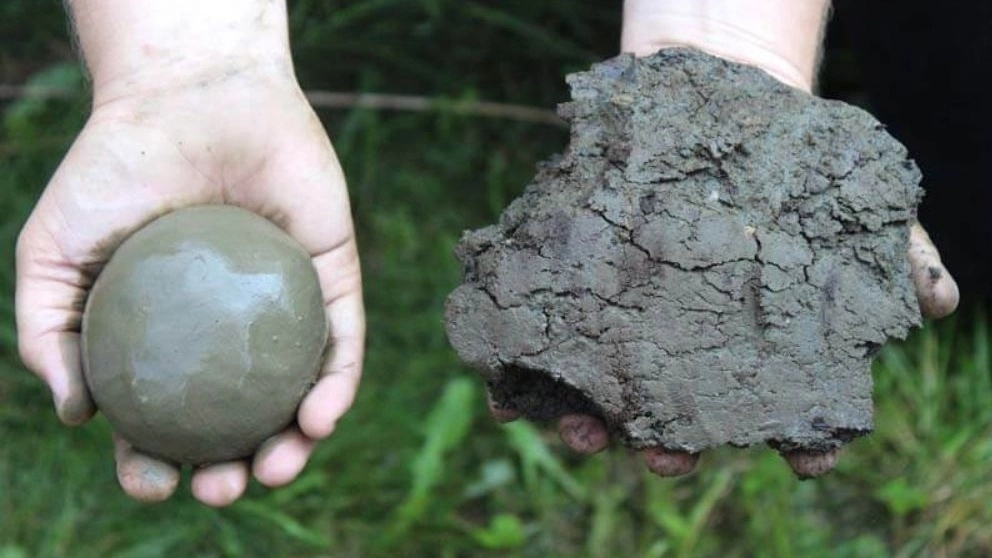
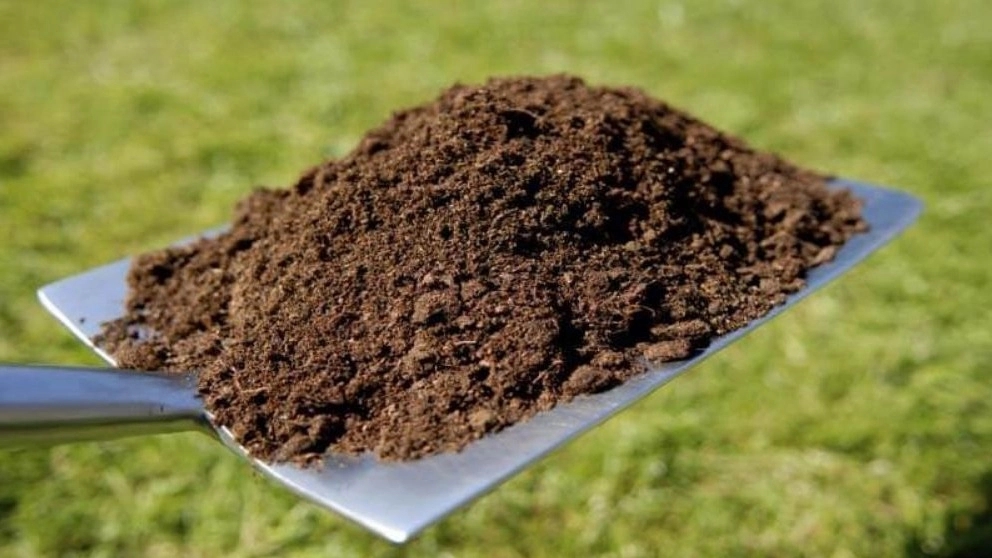
Think of a place outside where you've seen lighter colored mud. It means the place where the wet soil of erosion or excavation flows. When the mud is wet, it is soft and sticky and there is no organic matter in it. It's not the same as a topsoil, don't confuse the two (the organic matter is lost.) Sludge can be found much deeper below the topsoil.
Sludge is all around us but it is not visible until it is discovered. You need to find a place that is not mixed with sand or stones and don't forget the bright color. You should discover a flower that has a play dough-like texture (when wet). Sounds like a fun outing, doesn't it? I wouldn't mind going out with a good friend (if I had one) and do it now. Just drill the outer perimeter.
In general, firebricks are used in the facade of the building, which are also called decorative bricks or facade bricks. The price of decorative brick mainly depends on its quality and material.
Where can the refractory soil be made?
A piece of soft clay – usually weighing 10-15kg per package. If you want clay with higher alumina content, i.e. potting clay, it may be coarse and not very fine. Its color is usually whitish. You don't need to go for expensive clay, just choose a type with a lighter color for a higher temperature.
Remember: Don't get confused, the soft, wet clay may be darker in color when you see it in the bags, but it will become lighter as it dries. There are also clays that turn white when wet. Stores usually have dry samples. Don't forget to ask for the clay they have stored for a long time. They will be harder in plastic bags, they are not very fresh for potters, and potters don't want to work with dry clay when throwing on the potter's wheel.
Therefore, you can get this clay at a better price. Often they offer a discount for getting rid of these types of dry clays. So now you've brought your clay home...but what to do next, you might ask? Remove the clay from the plastic bags. You can use stronger fishing line or wire to cut it into thin slices. Let it dry.
After placing the clay in a ventilated area for about a week, it will dry. Sit on some soft, comfortable benches by the side of the street and use a hammer to roughly pulverize them. This is not difficult at all, but it will take some time. You need a bucket of mortar and half a bucket of sand and fire clay mixture (50:50) to place the floor bricks and level them on a flat surface.
What is the material of the furnace refractory soil?
Refractory soils are generally made of halloysite, kaolinite, monothermite, hydrocel and quartz, feldspar impurities. Considering the variety of refractory soils, some points should be considered when choosing and purchasing refractory soil (silica refractory mass) for manufacturing products.
If the impurities of refractory soils are bauxite minerals, the amount of alumina should be increased to ultimately increase the igneousness of the soil. If the amount of impurities includes materials such as iron and titanium compounds, the paste point of the part made of these compounds will be reduced. This type of composition can have a great impact on the final price of mining refractory soil.
Furnace fire clay contains a certain percentage of materials such as water that evaporate during brick firing; For example, many of these materials are melted in the baking process and increase the strength of the brick.