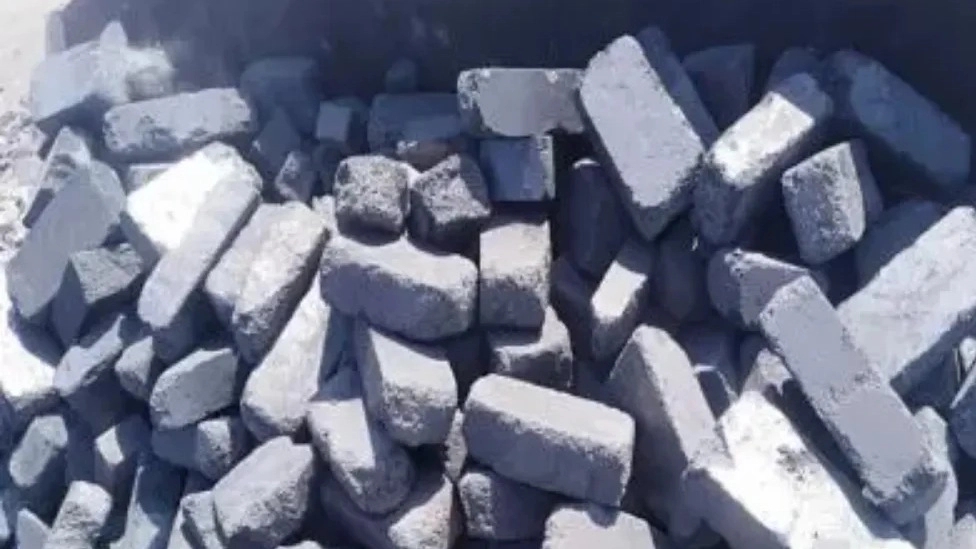
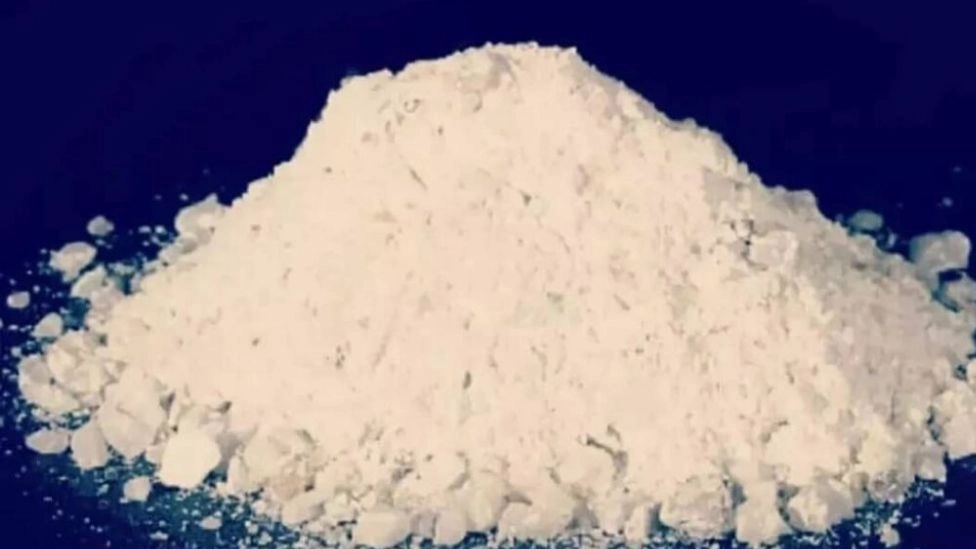

What is a refractory mass?
Refractory mass is a material that has a very high resistance to heat. This material does not deteriorate through heat transfer between other structures. On the other hand, it can be used to make parts that require high heat resistance. Another use of this material is to cover furnaces. In general, refractory materials can be divided into 3 main categories based on their chemical composition and structure. This category includes sandy, acidic refractory masses and refractory masses with specific and special applications (electrical refractory masses, etc.).
What are the benefits and characteristics of refractory mass?
Refractory mass has great features and benefits that are very important to know. Among their most important advantages and characteristics, the following can be mentioned:
Extremely high compressive strength and ideal bending strength are the most basic characteristics of refractory materials.
Among other characteristics of refractory materials, we can mention resistance to wear and easy implementation.
Corrosion resistance and geological properties are known among other characteristics of this material.
Refractory masses have an affordable and suitable price due to the lack of production baking and shaping process.
On the other hand, these masses have various support systems, and for this reason, they can be used to make stronger and bigger layers.
Ideal thermomechanics and high resistance to thermal shock are among the characteristics of refractory mass.
Refractory masses are easier to install than refractory bricks in furnaces made with complex geometrical structures.
Inflammable masses can be installed in an integrated way. For this reason, they can be considered as an ideal insulation against the penetration of gas and heat into or out of the furnace.
Layers made using refractory mass are more resistant than refractory bricks. (This is true even when the built-up layers are thinner.)
Refractory masses retain their chemical and physical properties even at extremely high temperatures.
The high resistance of the refractory mass against acidic conditions and heat has caused the damage caused by the increase in heat to be significantly reduced.
⚫️ Why is the use of refractory mass in various industries?
As it was mentioned before, the refractory mass has a very high resistance against acidic substances and heat. This issue makes it non-flammable in different conditions and significantly reduces heat damage. The noteworthy point is that it is not possible to find a suitable substitute for this material in various industries such as cement, steel, gasoline, ceramics, iron, etc. For this reason, it is necessary to use it in various industries to maintain their performance. Refractory masses can be used in the process of more than 1000 degrees Celsius. Therefore, according to the chemical, mechanical and thermal needs, they need special preparations.
Refractory mass allows all reactants to work effectively in processes that have high thermal energy. On the other hand, this material helps to prevent heat loss in all different industries. Due to this issue, it also reduces the possibility of fire to a significant extent. That is why refractory masses are used in the preparation of furnaces. In general, in any type of industry that is exposed to high heat, the use of refractory materials is mandatory.
⚫️ Introduction to the most important applications of refractory mass
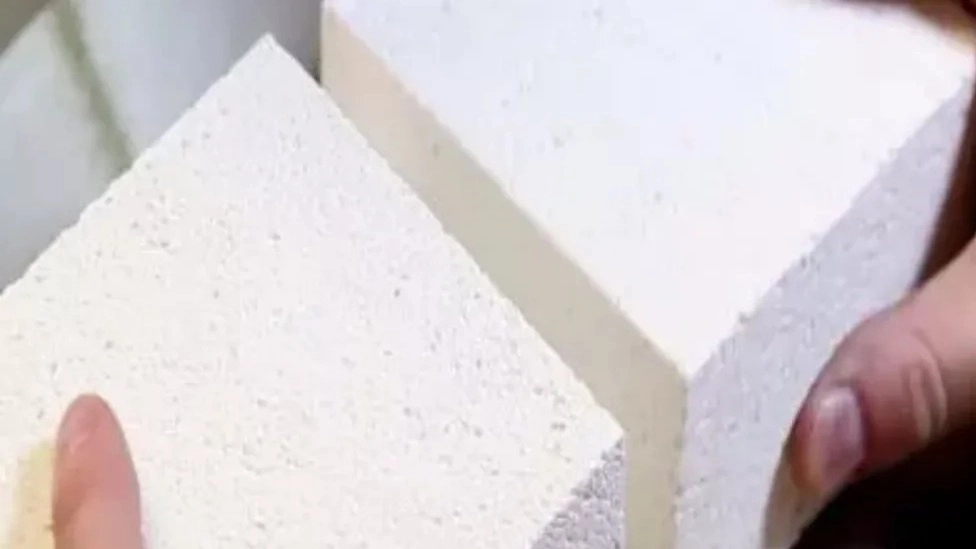
⚫️ Common Categories of Refractory Mass
Refractory mass can be classified according to different criteria divided into several categories:
Classification of refractory mass based on constituent compounds:Types of refractory materials are divided into 5 categories according to their composition. Refractory zirconia, ceramic, silicate, chromium, and alumina masses are among the most common types based on their composition. Each of these crimes has a special feature, according to which they are used in different industries.
Classification of refractory mass based on chemical properties: Types of refractory materials can be classified according to their chemical properties. In general, refractory masses are used in three types based on their chemical properties: acidic, basic and neutral. This classification is done considering their reactions and processes against high heat.
Classification of refractory mass according to the method of consumption:Refractory substances can be classified into types of pouring, crushing and spraying. The method of consumption of crimes is chosen considering the desired industries. Note that the basic structure of each of these refractory masses is also different from each other.
⚫️ Classification of the types of refractory mass based on chemical properties
Acidic refractory masses
Acidic refractory mass is the best choice when the desired conditions are acidic. This type of refractory masses usually maintain their structure and shape in acidic conditions. Silica or clay are also used in their structure, which have acidic properties. One of the most important applications of this type of refractory mass is the construction of induction furnaces in the steel industry.
Inflammable crimes of the game
This type of inflammable mass is also placed in the open category and is a suitable choice for use in play or alkaline environments. Magnesium-calcium, dolomite, forsterite-chromite, dolomite-calcium and magnesite-dolomite are among the compounds of these refractory masses. The noteworthy point is that this refractory material is resistant to alkaline environments and is not damaged.
Neutral inflammable masses
Neutral refractories are another type of refractories based on their chemical composition, which can maintain their structure and resistance in alkaline and alkaline environments. That is why different types of neutral mass can be used in different industries. Alumina, chromium oxide and carbon are the main components of this type of refractory mass.
⚫️ Classification of the types of refractory mass based on the constituent compounds
Refractory cement mass: One of the most popular types of refractory mass is the type of cement that consists of calcium aluminum cements, cements with iron oxide, etc., which are divided into two categories of low cement (5 to 10 percent cement). and fine cement (30 to 40 percent cement) are divided, each of them has special characteristics. Due to its very high hardness, Persiman type is used in melting furnaces, fireproofing structures, baking of steel parts and also thermal insulation.
Silica refractory mass: This type of refractory mass is also known as silicate or silica because their structure has silica compounds. Aluminum silicate and manganese are also considered as other main materials in these crimes. Usually, silicon type is very useful in making ceramic furnaces and also steel making. On the other hand, these masses are also used in induction furnaces.
Alumina refractory mass: Another type of refractory mass is alumina type according to their composition. This type of refractory mass is composed of alumina and silicon carbide. The very cheap price along with quick access to this product has made it popular in the steel, glass, casting, etc. industries.
Magnesite refractory mass: Magnesite type is another type of refractory mass that consists of magnesite refractory materials and is used in various industries. One of the most important features of this type of refractory is its resistance to thermal shock and corrosion, as well as its long life. This material is usually used in the construction of carbon steel furnaces as well as the repair of manganese and stainless steel.