
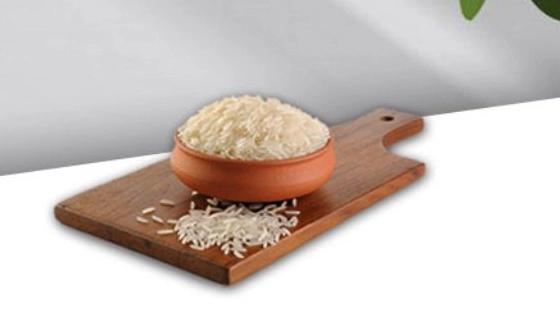
☑️ Fajr rice appearance features
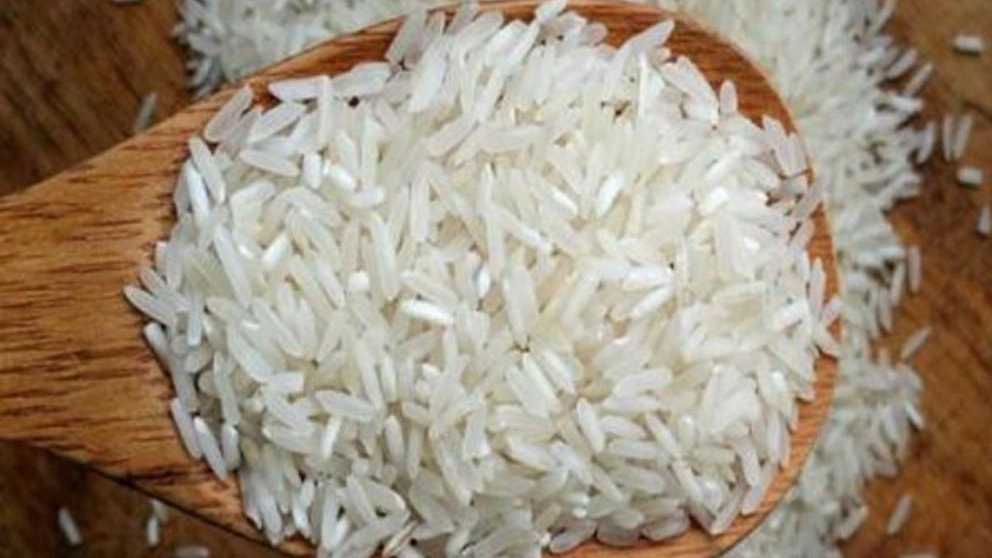
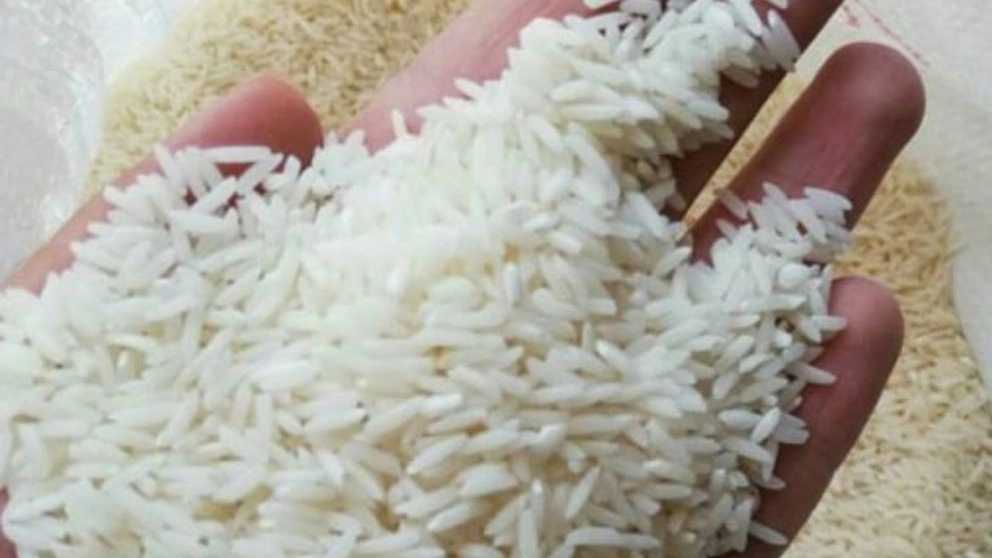
The color of this rice is dull white and the appearance of this rice is similar to a dagger and a sword, which slowly narrows from the end to the head of the rice, and one side also has a slight depression. The length of its raw grain is about 8 mm. The length of the cooked Fajr rice grain also reaches 10.3 mm and its width is 1.9 mm.
☑️ Fajr rice qualitative characteristics
Fajr rice with a growth period of 130 days from sowing to harvesting is similar to the Khazar medium clay variety and in terms of cooking quality, amylose amount, gelatinization temperature, gel concentration and also the appearance of the grain, it is very different compared to the Khazar and Dasht varieties. It is desirable. The quality of rice has been evaluated at an average level and it can be used to prepare pilaf and mixed dishes such as Haleem or Shale Zard. This product is another popular Iranian rice, which is mostly used in restaurants and companies due to its good cooking, stretching and excellent drying.
What is the fragrance of Fajr rice?
When buying rice, one of the important factors that we pay attention to is the aroma of rice. In general, it can be said that high-yielding rice has less aroma than other rice varieties, and it cannot be classified as aromatic rice. At the beginning of the creation of Fajr rice, despite being very productive, it was not tasty, and this weakness led to it not being well received by customers.
The researches that have been done finally solved this problem to some extent. Currently, Fajr rice gets a little flavor after the harvesting time has passed, and a smell similar to the fragrant Tarem rice rises from it.
☑️ Fajr rice planting time and harvesting
The best time for sowing and transplanting is the second decade of April and the third decade of May, respectively. And finally, Fajr rice is harvested in August every year. It should be noted that Fajr rice cannot be harvested in the second crop because it is late.
☑️ Important points in relation to Fajr rice
Studies showed that the Fajr variety has almost uniform stability in different regions of Mazandaran province. Like plains and Khazar rice, Fajr rice is resistant to blast disease, but it is slightly sensitive to pod burn disease.
It is important to note that all rice cultivars, especially high-yielding cultivars, are affected by pod burn disease if they are planted in contaminated land or artificially contaminated.
Also, during the cultivation period, pests such as stem-eating and leaf-eating rice worms can cause problems that continuous monitoring and careful control can prevent this problem.
Fajr rice is resistant to wilting and lodging, and its average height is 108 cm, which is suitable for harvesting with a combine or harvester.
☑️ نحوه پخت برنج فجر به روش آبکش
Soak Fajr rice with water and salt for 2-3 hours. Choose a suitable pot according to the volume of rice and fill two-thirds of the pot with water and wait for it to boil. In the next step, add the rice to the pot and pour two tablespoons of liquid oil in the pot (adding oil It makes the rice perfect and fluffy)
Add a few ice cubes or cold water to the rice when it is at the peak of boiling. To make sure the rice is ready for draining, crush a few grains of rice between your fingers. Make sure the rice is neither hard nor raw, then drain. Let it brew.
☑️ How to cook Fajr rice by Katteh
Soak Fajr rice for two and a half hours with a handful of water on top of the rice in a mixture of water, salt, lemon juice and oil, which is one teaspoon of lemon juice and oil, then heat the rice for 10 minutes. Cook on high heat and for forty minutes on low heat. It is mandatory to use demi and kote.