
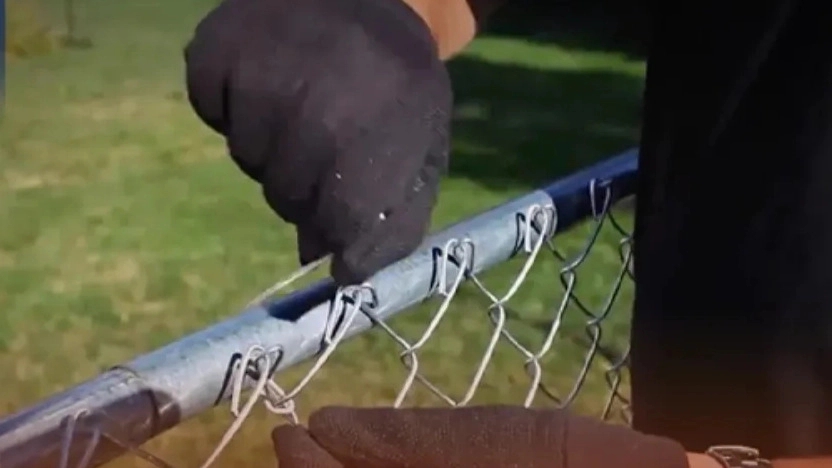
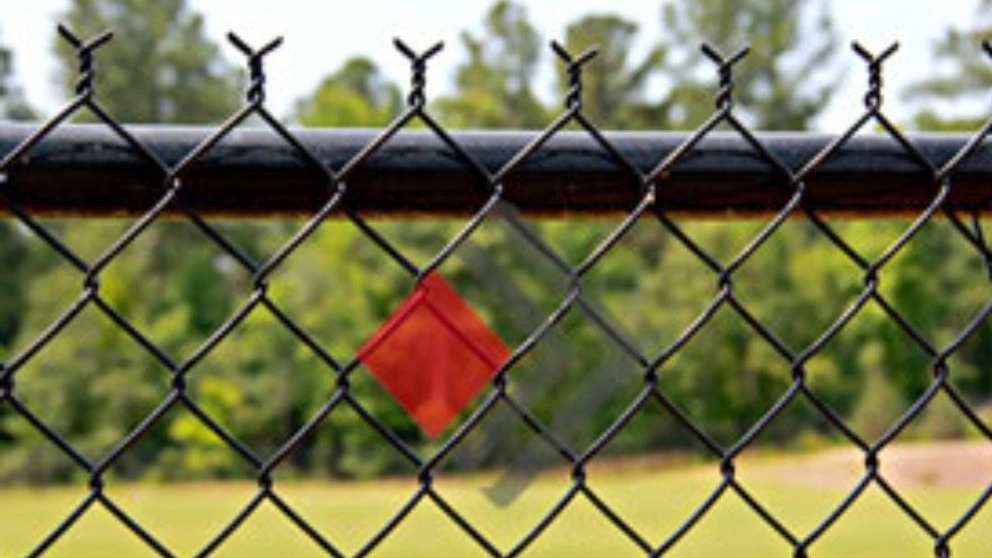
What is a fence lace and what are its types?
The history of fence netting dates back to a time when the first fences needed something above the ground to protect them from animals and other environmental hazards. Originally, people used stones, sticks, and tree branches with serrated blades to build rudimentary fences. In 1844, a new stage in the history of fencing began with the start of the production of fence netting by a company that was mostly active in the field of fabric weaving. This evolution in the production of fence netting led to the creation of diverse and high-quality products that can be seen today in various types and sizes. In the past, fences needed to be replaced frequently due to wear and tear, but with the advancement of science and technology, products with high durability and excellent quality have been produced through which the necessary protection and protection can be continuously provided.
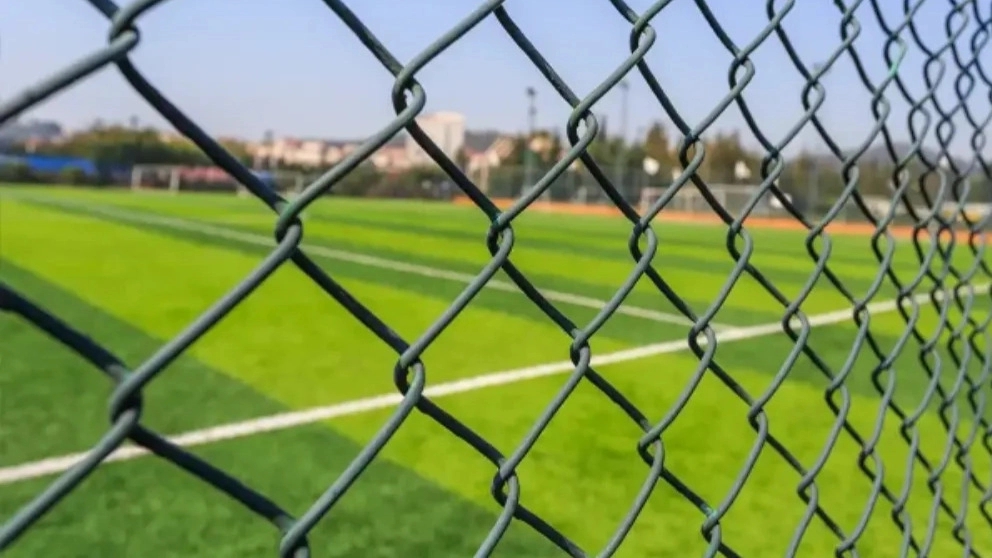
Types of mesh fences
Steel fence mesh: As you know, steel is not very resistant to corrosion, so this product is used in areas where the possibility of rusting is low. . The service life of this product is about 15-20 years.
Galvanized fence net: Galvanized steel fence net has a longer life due to its greater resistance to corrosion, and as a result, the price of the fence net increases. It also has a more beautiful appearance and can be used in areas with unfavorable weather conditions.
Galvanized fence mesh with PVC coating: This product has unique resistance and can be used for any environment with any weather conditions. It is used, but in terms of price, it has a higher cost than other products and it is used in areas where appearance is important.
What are the characteristics of fence netting?
Fence netting has 4 main characteristics:
1- Fence netting material: fence netting in the iron market in three Black steel, galvanized steel, and galvanized steel with PVC coating are available.
Depending on the type of fence netting, its resistance to weather conditions and various impacts is different. Steel fence netting and mesh fence netting have higher resistance to impacts and weather conditions, while plastic fence netting and Chinese fence netting are usually less resistant to impacts and weather conditions due to their light and thin structure.
< 2- Dimensions of the spring: The dimensions of the spring of the nets are usually 4, 5, 6 and 7 cm, and the smaller the size of the spring, the heavier the weight of the net becomes, as a result, more expensive. A net with smaller spring dimensions will have more security, strength and longevity.
3- Diameter of the wire: usually the fence net has a wire diameter between 2.2 and 4 mm. The larger the diameter of the wire, the heavier the fence net will be, and as a result, it will have a higher security, strength and longevity. The mesh may be different. 5- Wire diameter: The diameter of the wire mesh of the fence plays an important role in its strength and resistance. The wire diameter of steel nets is generally between 1.5 and 5 mm.
6- Distance between nets: The distance between fence nets may also be different depending on the type of application and type of net. For example, in security fences, the distance between the nets is less.
7- Color: Fence netting is usually produced in white, gray and green colors. But it can be ordered in another color if needed.
8- Installability: fence nets can be easily installed and has a wide range of applications.
9- Washable: nets A fence with a suitable design and material can be washed and spread water.
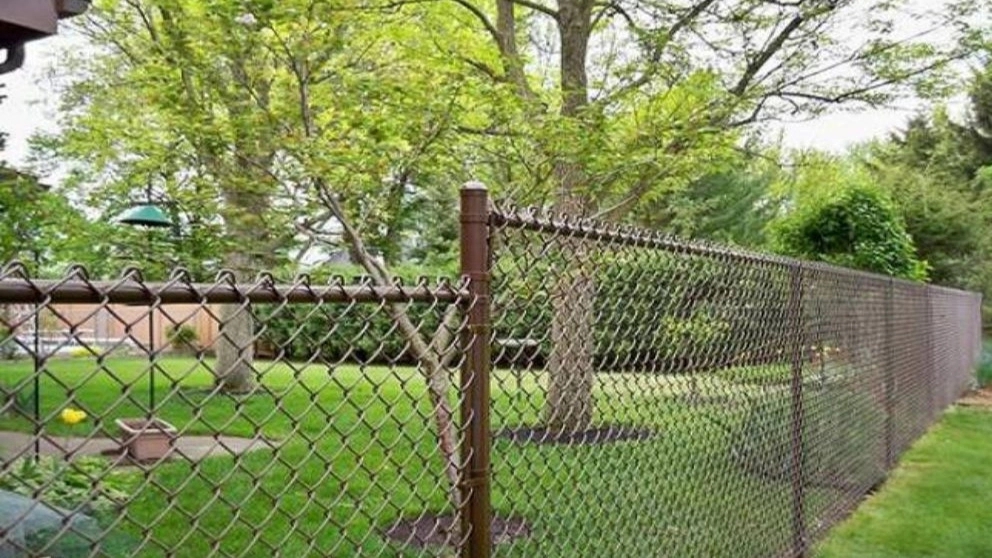
Advantages of using fence mesh
Increased security: As a physical guard, fence mesh ensures the protection of vehicles, industrial areas and buildings.
Good view point : Fence netting provides good visibility and light due to its open design. Easy maintenance: Fence netting is easy to maintain due to its simplicity and lack of creasing over time. Portable: Fence netting can be moved. And it can be installed anywhere.
Low cost: net fence is less expensive than other security methods.
What are the applications of fence netting?
- Protection of industrial, commercial and residential areas
- Use in open space as a barrier between cars and pedestrians - Use in space Open as a buffer between lighted livestock and cars
-Use outdoors as a buffer between hungry livestock and crops
-Use outdoors as a buffer between a pool and an area with public access.
- Fence or barbed wire above the wall
- Use in special or protected areas
- Military areas