
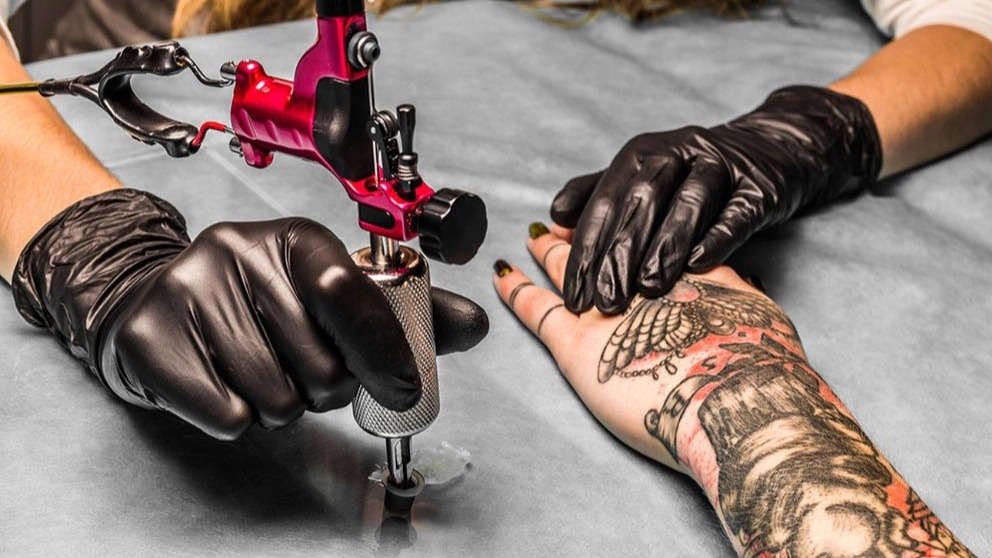
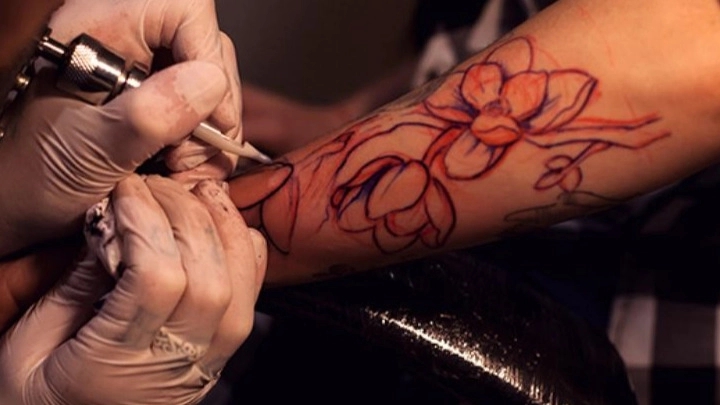

The world of tattoos is a complicated realm. What most people don't realize is that tattooing is a mixture of art, health, body strength, technique, engraving, shading and beauty. But the point that is more important than anything else is the care after the tattoo. If you want your new tattoo to have the highest level of durability, you must take good care of it after the tattoo.
Why is post -tattoo care?
Tattoos stress your immune system. For this reason, initial skin preparation is as important as post-tattoo care. Since tattooing is an invasive cosmetic procedure, your immune and lymphatic systems work hard to heal a new tattoo. Therefore, excessive activities are not recommended. In other words, try to be calm after getting the tattoo done and do not do heavy activities
short -term Tattoo care tips
Touch the tattoo with clean hands only
Most artists and tattoo artists have their own set of aftercare instructions. But one common advice they all have is to only touch your tattoo with clean hands. The most important step is to wash your hands well before touching the tattoo. Also keep in mind that hand washing should not be a quick three second wash. Rub your palms together with soap or washing liquid for at least 20 seconds and wash the tips of your fingers well.
Remove the bandage and wash only with antibacterial soap
b>
The original bandage that your tattoo artist uses to cover the tattoo can be removed and washed off within two to three hours after the job is done. Do not re-bandage it. Plasma or dead blood may appear on the surface of the skin in the first few hours after tattooing. This process is normal and after removing the bandage and cleaning it with antibacterial soap, the skin can breathe and heal.
Special ointment after tattoo
Special ointment after tattoo
Always use the ointment recommended by the tattoo artist. Every artist has their own aftercare cream, and these include shea butter, vitamin A cream, lotion, and more. Make sure you don't overdo it by applying too much ointment on the tattoo, as this can clog the pores and cause pimples which will definitely hinder the healing process. Some tattoo experts even suggest that after the first clean-up or applying a very thin layer of ointment, you leave the area without ointment to allow it to heal on its own.
Let your skin breathe
During the first three to four days after the tattoo, you will repeat the process of washing the skin about two to five times a day, then apply a layer of gentle ointment. Note that a good amount of airflow is great for the tattoo during the healing process. So it is very important to make sure the skin can breathe. On the first night, it's normal to wrap the area in plastic so it doesn't stick to your bed, but after that make sure there's enough air to get to your tattoo.
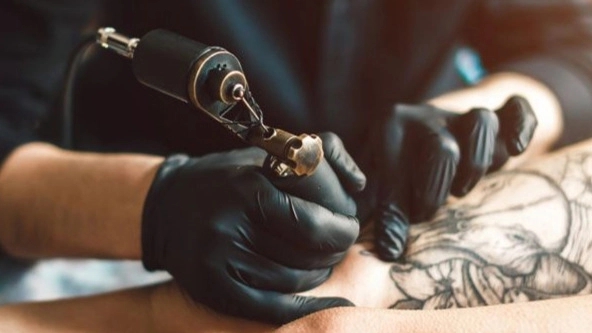
Do not scrub or itching
How long it takes for your tattoo to fully heal depends on the size and how it was done, but on average it takes about 6 weeks. People with immune disorders may need to consult a doctor or dermatologist before getting a tattoo. Also note that colored ink tattoos take longer to heal than non-colored, dark tattoos, especially if they are large and involved.
Avoid prolonged exposure to sunlight
Over time, it is normal for a tattoo to undergo changes, including fading. According to new research, tattoo ink remains suspended in the dermis layer of the skin and is maintained by a special type of white blood cells called macrophages. Fibroblasts are another type of cell that absorb ink particles, so the macrophage and fibroblast bind enough ink particles together to keep the tattoo image in place and appear on the skin. These cells hang around for years. They stay and finally when they die, the ink molecules are reabsorbed by a new macrophage.