
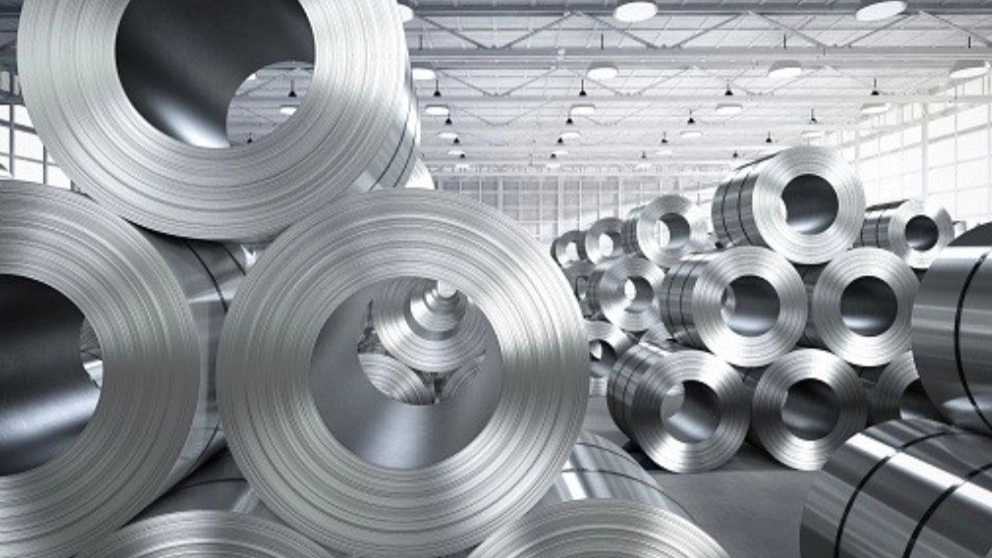
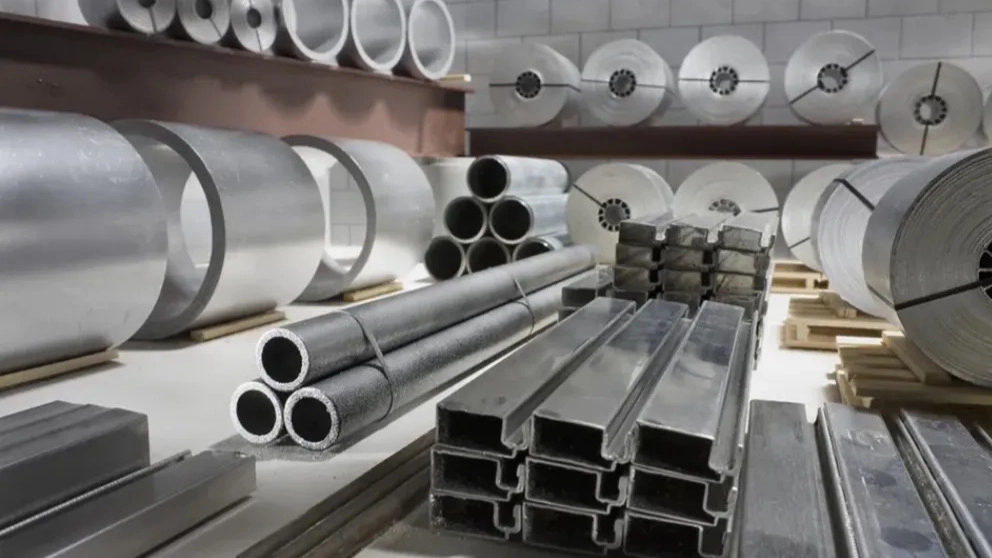


Stainless steel is the most popular type of steel. It is shiny in appearance and has 10-20% chromium as an alloy. The use of chromium as an alloy prevents steel from corroding and enables it to be easily molded into various shapes. Due to its malleability and flexibility, stainless steel is the best choice for silverware, household use, surgical equipment, etc.
A) Ferritte steel
is a ferritic steel whose chromium percentage is between 10.5 and 30%. This type of steel does not have a carbon content of more than 0.1%. This material is magnetic and has high resistance against temperature oxidation and stress cracking.
B) Acetyte acetyle
Austenitic is a very common type of stainless steel and contains high amounts of nickel, molybdenum and chromium. Austenite is used where malleability and high strength are required.
C) stainless steel martensitic
This steel has a high carbon content of about 1.2%, but is structurally similar to ferritic steel. Due to their high carbon content, they can be hardened to a high degree. They are suitable for surgical instruments and medical instruments.
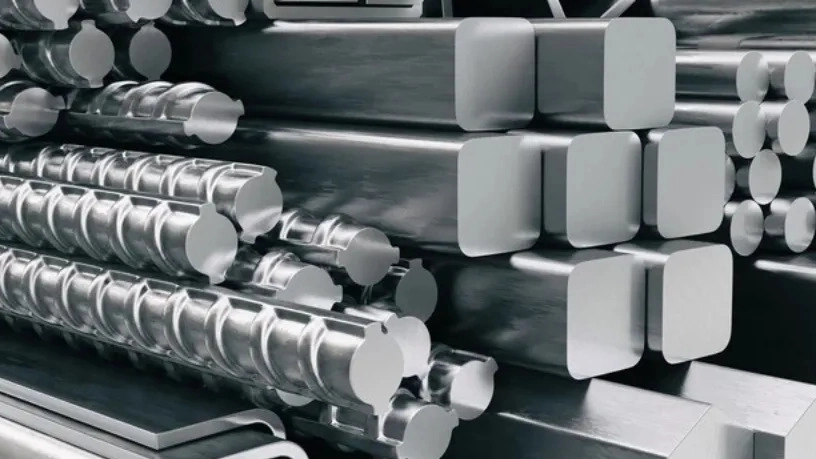
D) Duplex steel
In this type of stainless steel, austenitic stainless steel is combined with ferritic stainless steel, resulting in a metal that is stronger than mild steel as well as carbon steel. Due to their corrosion resistance, they are suitable for marine applications.
Carbon steel and its types
A) Low carbon steel
Low carbon steel is also known as mild steel. In general, low carbon steel has a carbon content between 0.04 and 0.30 percent. This steel is found in various forms from structural beams to flat sheets. To obtain the desired properties in steel, the level of carbon in structural steel is increased. The carbon level is usually kept low when more ductile steel is required or when aluminum is introduced.
b) Medium carbon steel
Medium carbon steel contains carbon in the range of 0.31% to 0.60%. Its manganese content is between 0.06 and 1.65 percent. Medium carbon steel is stronger than low carbon steel due to its higher carbon content. Operations such as forming, cutting, and welding are difficult for medium carbon steel because ductility decreases with increasing carbon content. Since medium carbon steel is generally harder, it is modified by heat treatment. c) High carbon steel High carbon steel is also It is known as carbon tool steel and the amount of carbon in this steel varies between 0.61% and 1.50%. Bending, cutting and welding of this steel is difficult due to its high carbon content. High carbon steel becomes brittle and hard after heating.