Champa rice better or amber?
In the market of rice sellers, we see all kinds of rice. From Iranian rice to Indian and Pakistani rice. But there is a new type of rice that has entered our country from another country among other rices, and that is Champa rice. This type of rice was first produced in Vietnam and due to the fact that our country is located in a dry region and this rice does not need a lot of water for cultivation, it caused our country to cultivate this rice.
At first, you might think that Champa rice and Ambarbo rice are not Iranian rice; But we must say that these two types of rice are also produced in our country like other types of rice.
Champa and Ambarbo rices are considered among our economic rices and are very reasonable and economical in terms of price. Large families can use this rice to cook at home. Ambergris rice is cultivated in the cities of Khuzestan province such as Shushtar, Ahvaz, Bagh Malek, Khorramshahr, Ramhormoz and Shadgan.
1. Champa rice
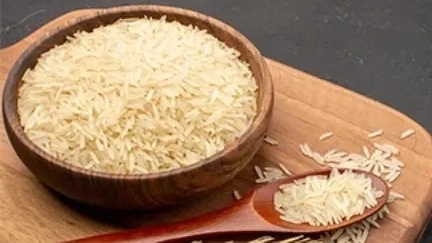
Champa rice is one of the most aromatic and high-quality types of Iranian rice, which is very popular among Iranian people, especially in the southern and western provinces of the country, due to its unique aroma, excellent cooking and unique taste. This type of rice belongs to the family of long and fragrant rice and is cultivated in different countries such as Iran, India, Vietnam and Thailand.
Many people like Iranian rice because of its good aroma; But we must say that Champa rice is not an exception to this rule, and when it is cooked, its aroma takes away the entire neighborhood. Of course, it should be said that the aroma of Iranian rice is different from Champa rice. Champa rice is also cultivated in the cities of Isfahan, Mashhad, and Ilam.
It should be said that Champa rice has grade 1, 2 and 3 like other rice. Different types of Champa rice are as follows:
White rice, Qasr Dashti rice, Kam Firoz rice, official rice, black rice, etc.
To cook this rice, it is necessary to soak it in lukewarm water for at least an hour. The important thing is that the starch in this rice is high and it goes away quickly; Therefore, shorten the boiling time of the rice and drain it earlier. Most people tend to consume this rice in a strained form; But if you want to eat it in the form of cat, there is no problem.
The nature of Champa rice is warm and rich in vitamins. It is also easy to digest and suitable for those who have indigestion and digestive problems.
2.. Anbury rice
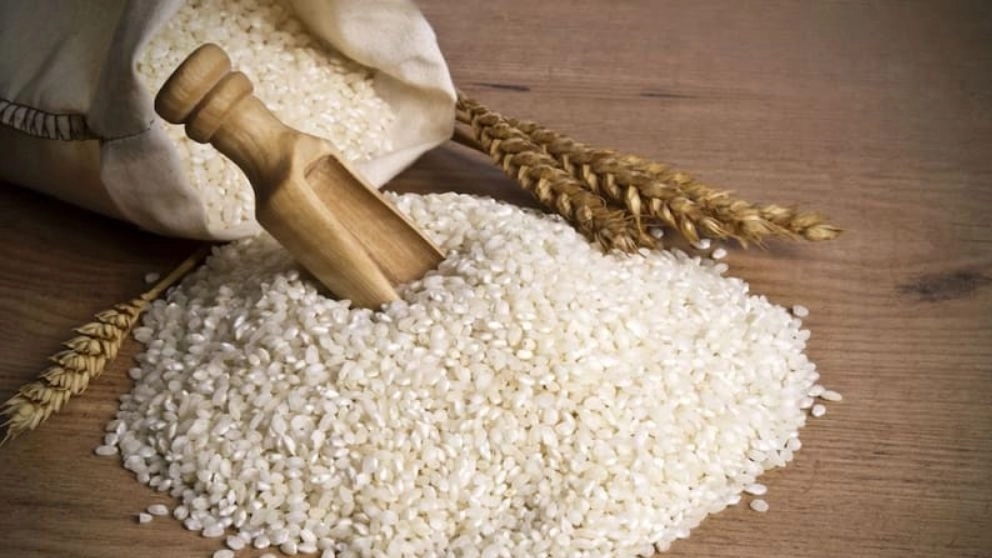
Amberbu rice has different types; But its two types are the most famous: Sirvan amber and Emami. This rice is also cultivated in the cities of Ilam, Lorestan and Fars; But its better type is planted in Shushtar. Champa rice and amber rice both have the same nutritional value and appearance, and their cooking is the same. For this reason, you may not be able to accurately distinguish them from each other. However, the only difference between these two rices is the place where they are cultivated. Champa rice is mostly grown in the northern regions and amber rice in the south of the country.
To cook, wash the amber rice 3 to 4 times with cold water until the water becomes clear and soak it for 2 to 3 Soak the watch in water. Then pour 1.5 to 1.7 cups of water for every cup of rice in a suitable pot and add some salt to the water. Now boil the water on high heat and drain the soaked rice and add it to the boiling water. Reduce the heat and close the pot. Let the rice cook for 40 to 45 minutes. To serve Ambergris rice, you can use it with a variety of stews, stews or on its own.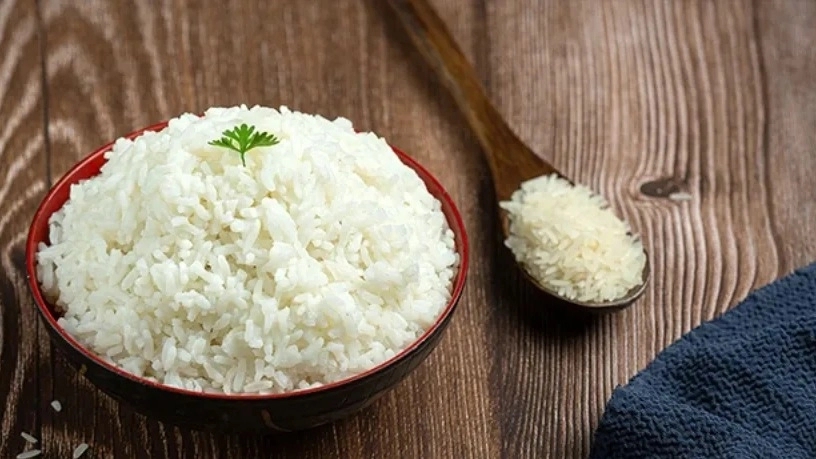
The ways to distinguish the original rice from the counterfeit
The ways to distinguish original Champa rice from fake include the following:
Smell test: smell some rice. Genuine champa rice has a mild and pleasant aroma, while fake rice may have a musty or unpleasant smell.
Touch test: squeeze some rice between your fingers. Original champa rice is slightly greasy and sticks to your fingers.
Cooking test: Cook some rice. Original champa rice grows well and becomes soft and grainy after cooking.
Drain test: Drain some rice. The juice of genuine Champa rice should be clear, while the juice of fake rice may be cloudy.
Differences of Champa and Anburbu rice
The differences between Champa and Ambergris rice are:
1. Appearance
Grain shape: Champa rice grains are long and elongated, while amber rice grains are short and relatively round.
Color: The color of white champa rice is shelly and glossy, while the color of ambergris rice is light cream to brown.
Uniformity: The grains of both types of rice should be uniform and without breakage or cracking.
Transparency: The grains of both types of rice should not be transparent.
3. Flavor
Aroma: Champa rice has a mild and pleasant aroma, while the aroma of amber rice is stronger and somehow special and unique.
Taste: Champa rice has a hearty and relatively sweet taste, while Amberbu rice has a slightly salty taste and a hint of sweetness.
4. Baking
Growth: Both types of rice grow well, but Champa rice is taller than Amberbo rice.
Softness: After cooking, both types of rice become soft and grainy.
5. Use cases
Champa rice: Due to its mild flavor, this type of rice is suitable for cooking rice types such as plain rice, mixed rice, rice with chicken and fish.
Ambergris rice: This type of rice is suitable for cooking special and special pilafs such as saffron pilaf and muscle pilaf because of its strong flavor.
6. Nutritional value
Both types of rice are rich in nutrients such as fiber, vitamins and minerals.
Champa rice is more suitable for diabetics due to its low sugar content.
7. Price
In general, the price of Champa rice is higher than Amberbo rice.
The choice between the rice of the chapa and the amber
To choose between Champa and Ambarbo rice, consider the following:
Choosing the type of rice depends on your taste.
If you are looking for a mild aroma and a sweet taste, choose Champa rice.
If you are looking for a strong aroma and a special taste, choose amber rice.
Important Tips When Buying Champa and Anbarabo Rice
The important points when buying Champa and Ambergris rice are:
Buy rice from reputable stores.
Pay attention to the label and trademark on the rice package.
Ask the seller about the quality and authenticity of the rice.
If possible, test some of the rice before buying.