


Brake pads; Types and Time to Replace it
Car brake system is considered the most basic and vital safety part of a car or any vehicle. If the braking system does not work well, none of the other safety equipment can fill the void of this important system and eliminate the possibility of an accident or deviation. The brake system consists of various components, one of the most important parts of which is called the brake pad. Brake pads are one of the consumable parts of the car, and if you change them too late, the probability of an accident will be very high.
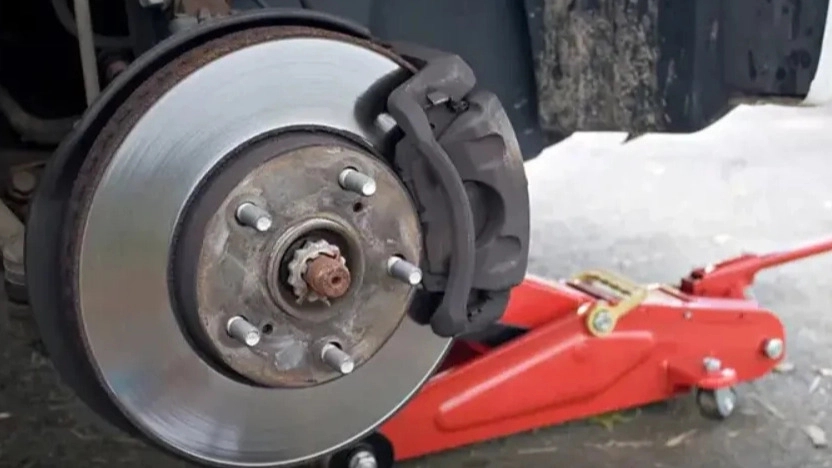
The brake pad is a friction part in all types of car braking systems, which, due to contact with the disc or the wheel cup and as a result, reduces the speed of the wheels and stops the car.
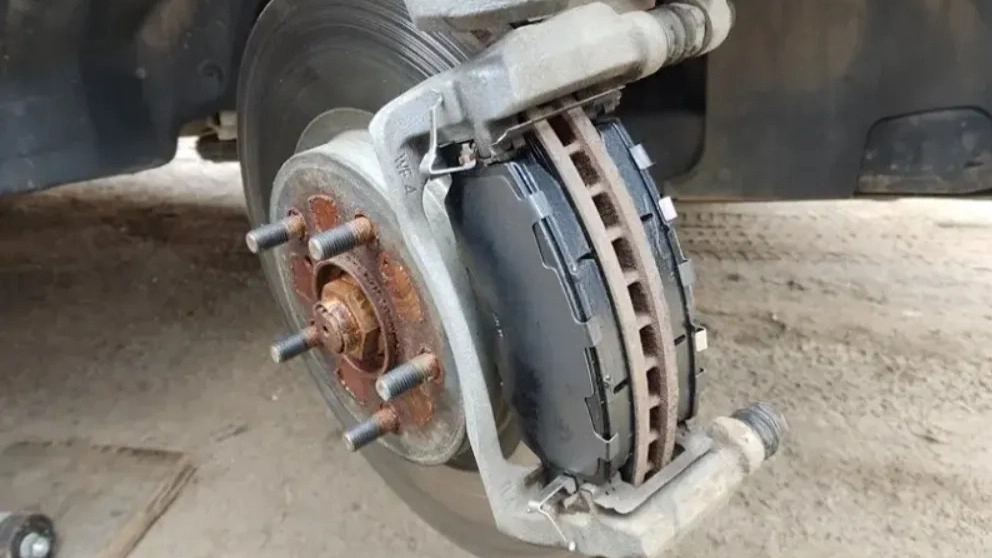
The brake pad is placed inside the caliper. It is made of materials such as metal, ceramic and organic materials, and there are two types of front pads and rear pads. Because the front pads play a more vital role in stopping the car, they usually wear out sooner than the rear pads, which are associated with the handbrake. Rear pads are also made for disc or cup brakes in two different types
How the brake pad works
1- Pressing the brake pedal: when the driver presses the brake pedal, a force is transferred to the main brake cylinder.
2- Creation of hydraulic pressure: in the brake cylinder, this force is converted into hydraulic pressure. 3- Pressure transfer to the pistons: hydraulic pressure is transferred to the brake calipers through the brake pipes. In each caliper, the oil pressure is applied to the hydraulic pistons. 4- The pressure of the pads to the disc or brake cup: hydraulic pistons push the brake pads towards the brake disc (in disc cars) or the brake cup (in cup cars). They push. 5- Creating friction and reducing speed: Friction between the pad and disc or brake cup converts the car's kinetic energy into heat and causes the car to slow down and stop.