

Human shelters were very simple in the beginning and maybe only lasted a few days or months to survive. Over time, even temporary structures evolved into much more modern forms. Gradually, more durable structures were found, especially after the advent of agriculture, when people stayed in one place for long periods of time. The first shelters were houses, but later they did other things such as food storage and various ceremonies in separate buildings. Some structures started to distinguish between architecture and building contracting, symbolically as well as functionally.
The status of today's contracting:
The current state of contracting is complex. There is a wide range of building products and systems that are mainly in groups of building types or markets. The building design process is highly organized and starts from research centers that study the properties and performance of materials. Senior officials who adopt and enforce safety standards and design professionals who determine user needs and design a building to meet those needs.
The contracting and construction process is also highly organized. . This includes manufacturers of building products and systems, craftsmen who assemble them on site, contractors who employ and coordinate the work of craftsmen, and consultants who specialize in aspects such as construction management, quality control, and insurance. Today, contracting and construction is an important part of industrial culture, an expression of its diversity and complexity, and its degree of mastery over natural forces, which can create a diverse built environment to meet the needs of to create different societies.
Construction contracting materials
Brick production was industrialized in the 19th century. The difficult process of hand molding, which had been used for 3000 years, was replaced by "pressed" bricks. These were produced by a mechanical extrusion process in which the clay was pressed through a rectangular mold as a continuous column and cut into specified sizes by a wire cutter. Masonry units were also created. New methods of making construction contracting materials significantly reduce the cost of brick, and this is one of the reasons why brick is one of the most used construction contracting materials today. Wood technology in the 19th century in North America, which in There were large forests of softwoods and pine trees that could be harvested and processed by industrial methods, it developed rapidly. Steam and water sawmills started producing lumber with standard dimensions in the 1820s. The production of cheap machines in the 1830s made it possible to create a major innovation in construction.
Who is the building contractor?
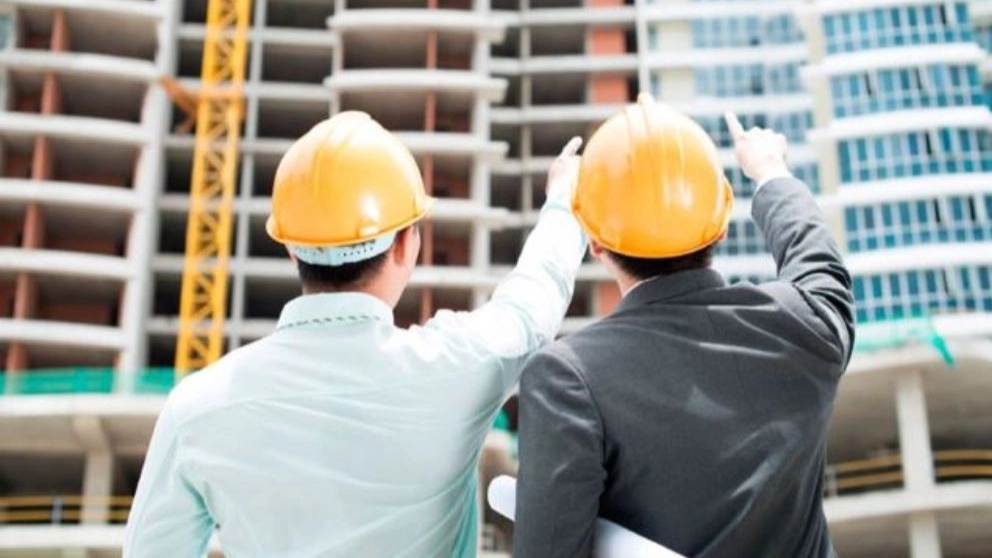
The construction contractor is responsible for the supervision and management of construction projects. These individuals or companies play an important role in the construction industry by coordinating various aspects of a project to ensure its successful completion. The role of a construction contractor involves working with architects, engineers, subcontractors, and other stakeholders to bring a construction project from concept to reality.
Construction contractors usually consider factors such as budget, schedule, and quality standards in They participate in the planning and implementation of construction projects. They are responsible for hiring and managing subcontractors, obtaining the necessary permits and ensuring compliance with construction laws and regulations.
In response to the question of who is a building contractor and what are his responsibilities, it should be said that cost estimation, planning The project and resource allocation is the responsibility of the contractor. They act as a liaison between the client and the construction team, regularly updating the progress of the project and addressing any concerns that may arise. Building contractors must have strong organizational and communication skills as well as a deep understanding of construction processes and techniques.