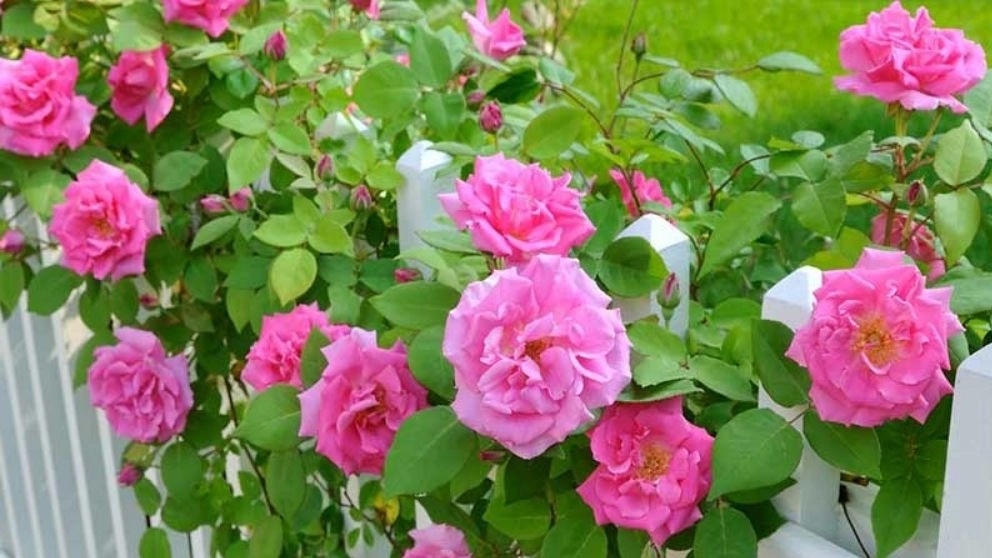
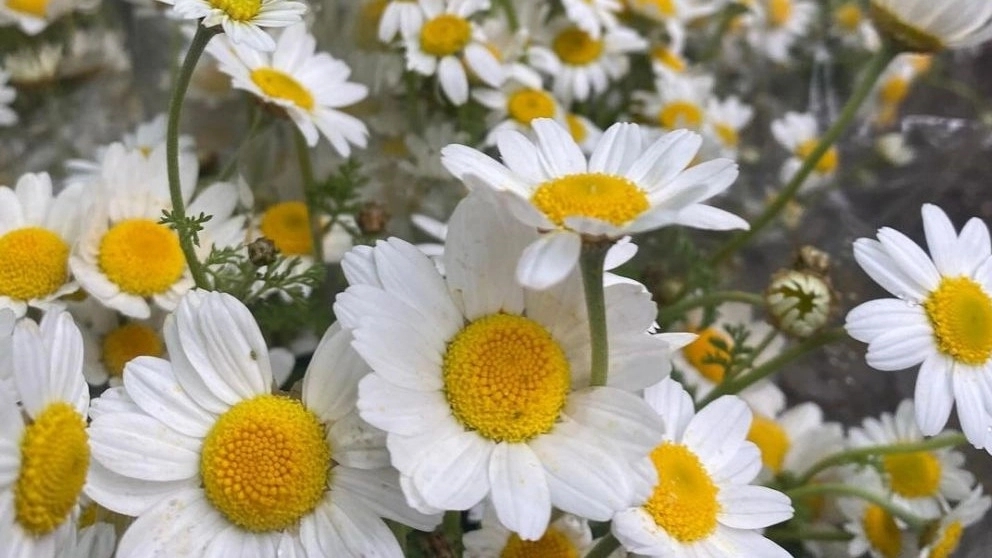

Rose is one of the 10 most popular flowers in the world, and therefore knowing the tips of rose care is of particular importance. This beautiful flower has needs and the first step to help it grow and flourish is to place this plant in a suitable environment that fits these needs. In the next step, we go to basic nutrition. If you want your roses to produce more flowers and at the same time have quality and sufficient growth during the growing season, regular fertilization must be done.
Light and temperature
Rose prefers coolness, that's why its planting works better in areas with a large temperature difference between day and night. This plant is suitable for open spaces and greenhouses, and keeping it at home with indirect light will cause herbaceous growth and reduce flowering, and eventually the plant will die. The temperature of about 15 to 20 degrees is optimal, and most roses tolerate temperatures of -10 to 30 degrees.
This beautiful flower faces a decrease in performance at higher temperatures, and its growth and flowering are reduced, and at temperatures much lower than -10 degrees, its native varieties usually have tolerance. Most types of roses fall asleep at temperatures below 5 degrees. In very hot and very cold areas, it is preferable to plant its native varieties. In keeping roses, direct sunlight is often neglected, and this sunlight is the key factor in growth and flowering; Therefore, the place of planting or keeping roses should be sunny and receive a few hours of direct sunlight.
Irrigation and moisture
It needs regular watering in spring and summer and should not experience severe drought. Water when the soil surface is dry. In winter, watering is much less and the plant goes to sleep. Growing and maintaining roses in humid areas is very good and improves the performance of the plant and will increase flowering and better growth. Humidity prevents the leaves from drying out and burning due to high temperatures, and planting in humid areas is usually successful. Although humidity has a good effect on heat, in areas with very hot summers and high radiation intensity, the plant naturally faces problems because humidity can partially neutralize the negative effects of heat and dryness.
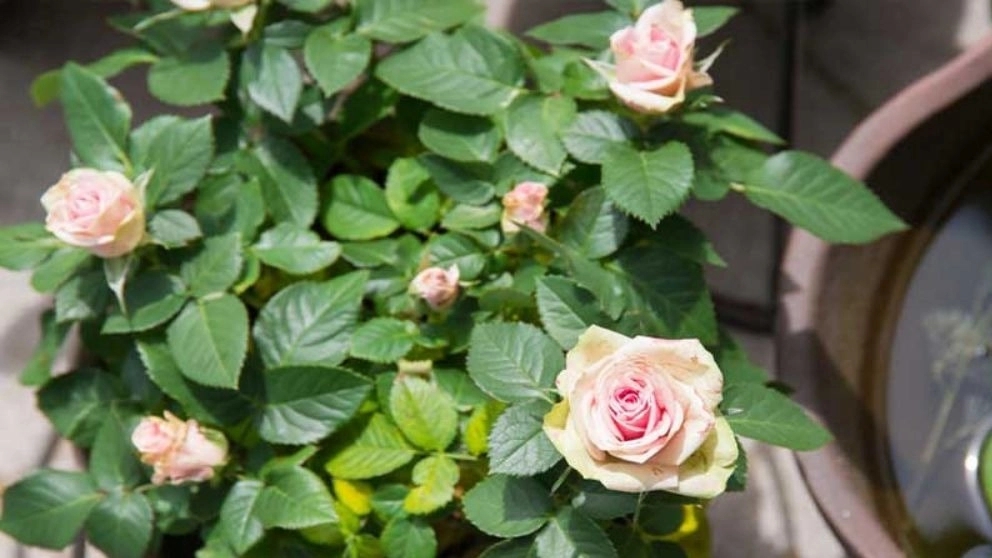
If you keep this plant in a pot, it is preferable to plant it in unglazed clay pots so that the roots are somewhat protected from extreme heat in the summer and the excess water is absorbed by the body of the pot and the moisture balance around the roots is established. One of the reasons for the sudden drying of potted roses in hot summers is that the potting soil remains too wet in plastic pots, which leads to rotting of the roots. On the other hand, the rays of the sun on the body of the plastic pot heats the roots, and due to the fact that the plastic pot holds more water, the roots become mature and get damaged. On the other hand, both of these factors, i.e. high heat and soil being too wet, can cause fungal diseases. So, if you plan to plant in a plastic pot, be more careful.
Rose
Soil suitable for keeping roses should have proper drainage to keep enough moisture and drain excess water easily. Loamy soils often have a good texture and after intensive mixing with a good compost such as vermicompost, they get a better texture and are enriched. In any case, garden soils that are not too clayey can be used, provided that they have some food with them, for this purpose, vermicompost or rotted animal manure can be used.
If you intend to prepare and mix the planting bed yourself, one of the beds that are often suggested is a little mixture of clay, sandy soil, vermicompost or rotted animal manure, powdered leaf soil. If the rose is going to be planted in the garden or on the ground, naturally, the necessary materials should be added to it according to the texture of the soil, and often, amounts of rotted animal manure or vermicompost are added to the garden soil in late winter or early spring to strengthen the rose. This is very effective and common in plant growth, increasing soil organic matter, and improving the texture of the soil.
Rose fertilizer
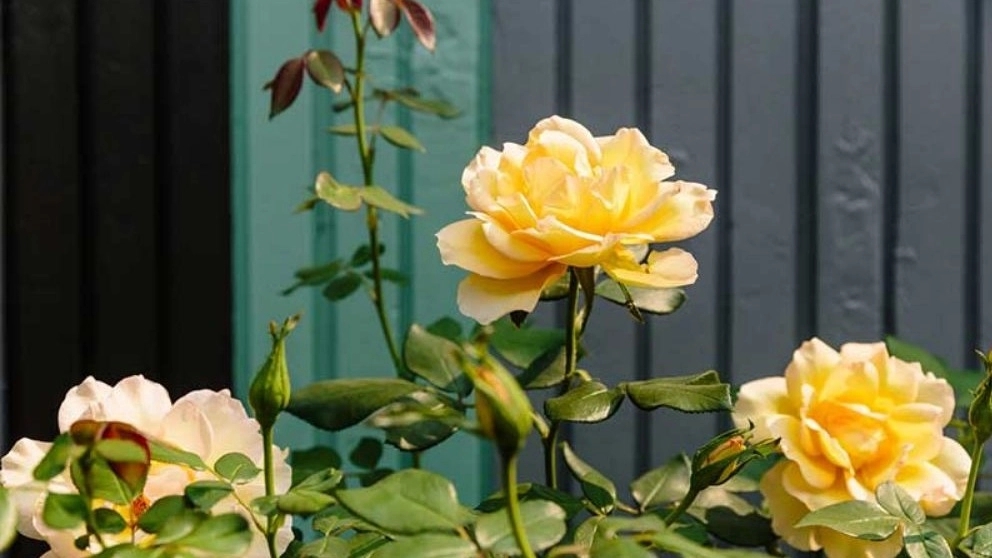
There are different fertilizers available in the market to maintain roses. It is better to use NPA fertilizer to feed it at the beginning of spring. 20-20-20 fertilizer is one of these fertilizers that can be used for plants every two to four weeks during the growing season. Of course, after the desired growth of the plant and increasing the function of the roots, you can replace the 36-12-12 fertilizer or all kinds of flowering fertilizers with 20-20-20 fertilizer to increase flowering. Of course, rose fertilizer has also been specially produced, in which case it can be used every two to three weeks from spring to early autumn, considering that most of the needs of roses are met in it.
If you use NPA fertilizers, considering that roses grow better in relatively acidic soil and pH 5.5 to 6.5 is optimal for it, you can water it with humic acid fertilizer every two months. It is better to use micro-fertilizer for this flower every two months for more complete nutrition and also to remove the symptoms of lack of micro-nutrient elements, and if you see signs of iron deficiency, which is very common in roses, you can also use iron fertilizer every 45 days. Rose took advantage.