

Electric forklifts
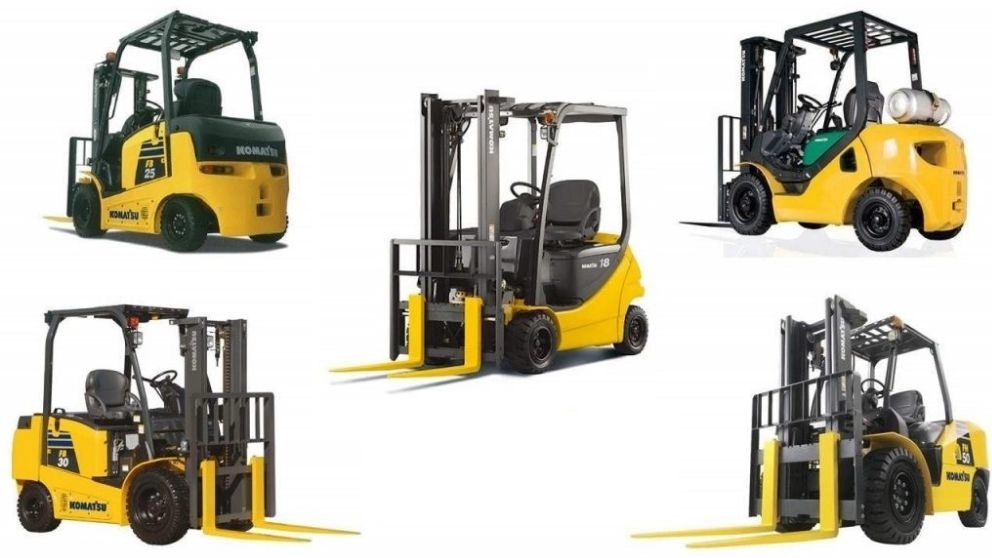
Electric forklifts run on batteries instead of liquid fuel. You can use electric forklifts in places like retail stores, grocery stores, and manufacturing centers.
Benefits of electric forklifts
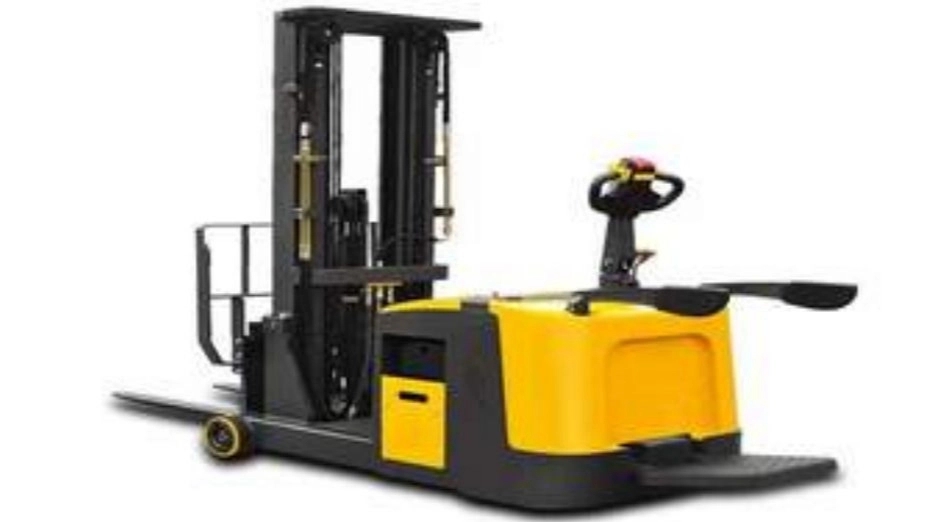
The design and features of the electric forklift allow it to be used in many applications. The benefits of electric forklifts include:
Minimum pollution: Because electric forklifts run on batteries instead of fuel, they do not emit carbon monoxide. The lack of greenhouse gas emissions makes them healthier options for employees.
Quiet operation: Loud noises during forklift operation are also a sound hazard to the health of employees, reducing their performance. Electric forklifts do not make noise.
Longer battery life: The overall lifespan of an electric forklift is up to 14,000 hours or about 12 years. Diesel forklifts can last up to 10,000 hours or about eight years.
Easy Maintenance: Electric forklifts are relatively easy to maintain and only require trained personnel to replace the battery when needed. Take action.
Sustainability: Heavy lead acid battery will act as a balancing element against the loads that these forklifts lift. This feature adds to the overall stability of electric forklifts.
Diesel forklift
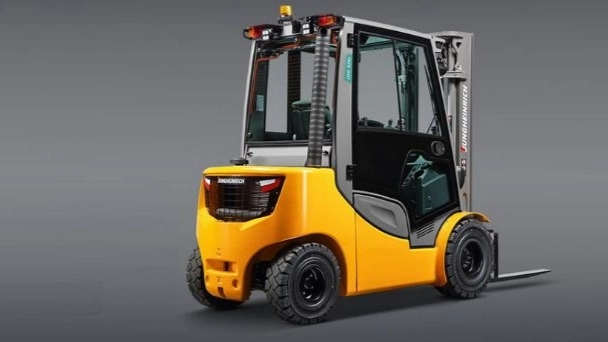
Diesel forklifts, also called internal combustion forklifts, run on diesel fuel. Their rugged designs enable strength and versatility in many industries, from construction and agriculture to recycling and garden supply transportation.
Diesel forklift benefits
Diesel forklifts are often the right tool for this job. Their advantages include:
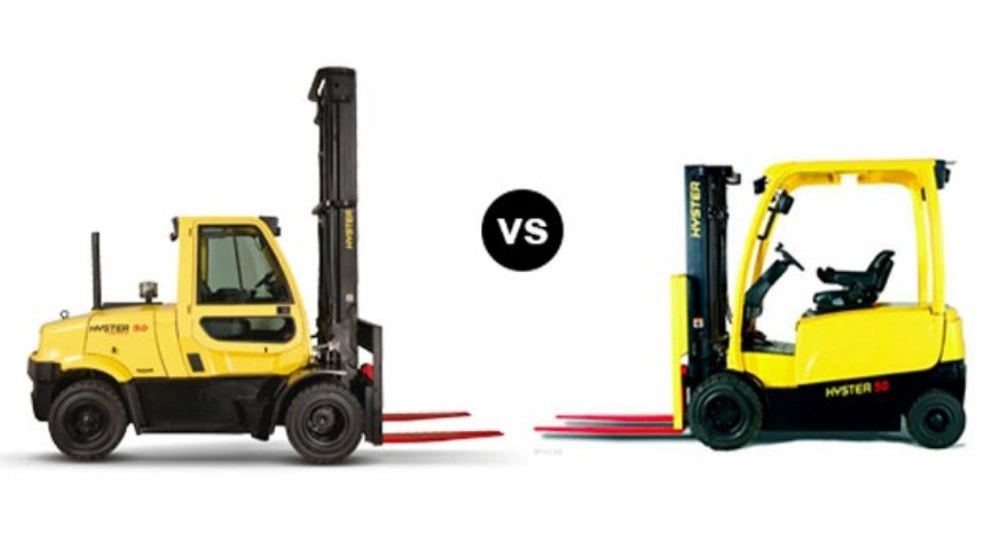
Size: Diesel forklifts are larger than electric forklifts, which makes them suitable for outdoor work.
Load capacity: b> Due to their size, diesel forklifts can move larger and heavier loads than electric forklifts. They can also accelerate faster, which makes this equipment ideal for larger jobs.
Stability: Since diesel forklifts are designed to work on rough terrain, they are much more stable than electric forklifts.