What is Cooling and Heating Facilities?
Heating, air conditioning and cooling facilities (HVAC) is a technology that is used for indoor and environmental comfort. The purpose of using these facilities is to create an environment that is comfortable and tolerable in terms of temperature, and its air quality is also acceptable. The design of this system is based on the principles of thermodynamics, fluid mechanics and heat transfer. HVAC is an important part of residential structures such as houses, apartments, hotels and facilities of large and small office buildings such as skyscrapers and hospitals.
Cooling facilities | What is Cooling Installation?
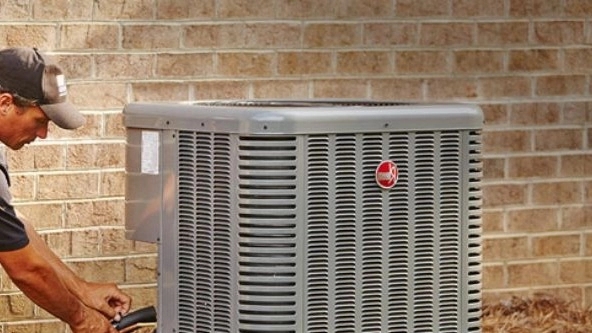
Cooling facilities are facilities that cool the desired environment. Here, the meaning of the cooling facility is the central cooling facility that produces chilled water or fluid at a point outside the building and sends it to different parts of the building. Often, these facilities are installed somewhere outside the building, such as the roof, basement or motor home.
Heating Installations | What is Heating Installation?
Heating facilities are a mechanism for using heat energy in the home, office and other buildings and controlling and maintaining the temperature at the accepted level. These facilities are part of the heating, air conditioning and cooling facilities. It is possible that this heating system is central or distributed. Typically, devices such as heaters, radiators, water heaters, fan coils, wall heating packages and engine rooms are part of heating installations. Often, for private houses and public buildings, a central heating system is used for heating.
A variety of building cooling and heating systems
Today, the growth and development of technology in the air conditioning industry has made the discussion of energy and saving more important. slow and this should be considered in all the chosen methods for cooling and heating. Modern cooling and heating systems that lead to the reduction of energy costs in the building include: the cooling method from the roof, the main idea in the cold roof system is to create cold surfaces in the desired space and transfer heat through displacement. This method is completely modern and practical and is one of the up-to-date methods in Europe and America. The operation of this system is similar to the floor heating system and uses the theory of cold air transfer from top to bottom and warm air movement from bottom to top. Cooling method from the floor In this method, cold water passes through the pipes placed on the floor of the room and leads to cooling. The interesting point is that the energy consumption optimization rate in the floor cooling method is 80%. This system will be effective if the windows of the building are insulated and double-glazed and the outer walls of the building are also insulated. The underfloor heating method of this system transfers heat to the environment through radiation. The function of this system is that hot water circulates through the heating system inside the multi-layer pipes and directs the heat to the floor of the room. In the next step, heat is transferred from the floor to the environment through radiation heat transfer (in this method, heat transfer is done by waves similar to light or radio waves). Solar heating method Having hot water is one of the main needs of residential, sports and public places, which requires fossil fuels or energy consumption. Therefore, using solutions that reduce the consumption of this energy also helps to reduce the economic costs of the building. The use of solar water heaters can achieve this goal to a large extent. Centralized heating means the common heating of an area using a heating source such as steam. This system uses one or more local units to generate steam and heat an area and has a spa power supply and piping. If the efficiency of motor home installations is improved by centralizing the system, energy consumption is also saved. Pars Virtual Education Center has also offered a course on cooling and heating facilities for those interested in identifying and familiarizing themselves with these facilities. Cooling and heating systems usually handle cooling and heating systems in different ways.
Types of systems in terms of application
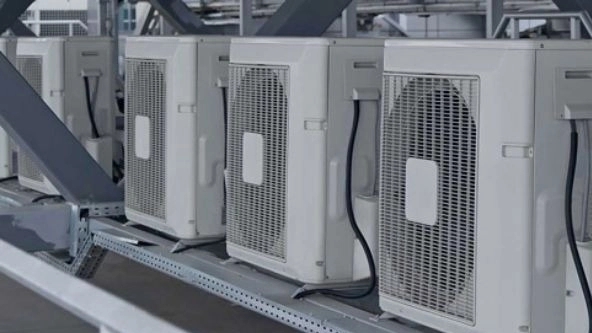
Non-industrial cooling and heating systems: The purpose of using these systems is to provide comfort, convenience and increase the efficiency of people. Air conditioning systems that are used in residential areas, shops, hospitals, schools and restaurants are part of this group. Industrial heating and cooling systems: The purpose of using these systems is to control environmental conditions for conducting research work and industrial production processes. Therefore, it is necessary and necessary to use the ventilation system in textile factories, manufacturing plants, printing and papermaking industrial units.
The best cooling and heating systems at home
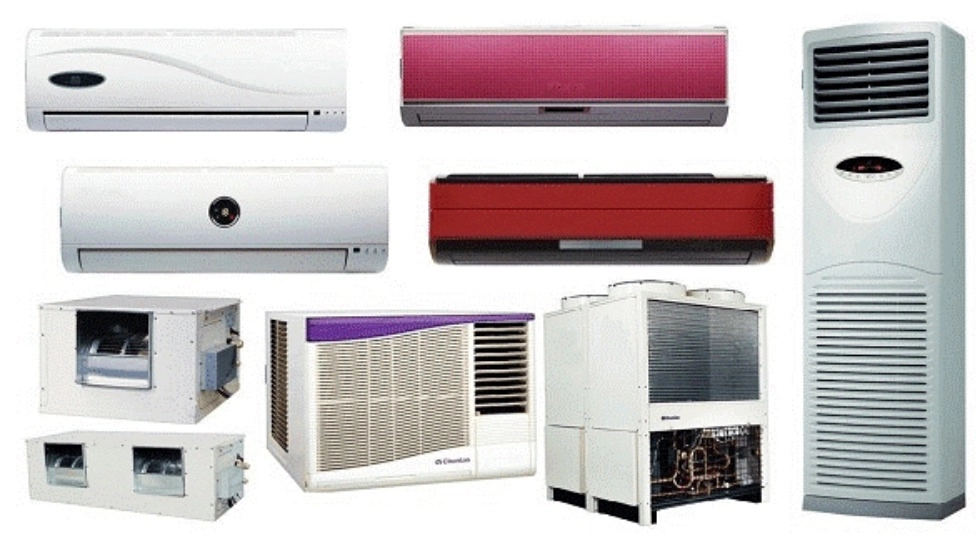
Cooling and heating systems are among the main pillars of residential houses that provide comfort and convenience to people. Therefore, to prepare suitable and efficient systems, you must first know them well. The types of cooling and heating facilities are: Chillers Chillers are used for cooling in the summer season and are divided into two groups of absorption and compression chillers. Condensation chillers often consume a lot of electricity, so absorption chillers are more popular. Among the advantages of absorption chillers is that they use thermal energy to produce cold, they have fewer parts than compressor types, and the amount of damage and repair costs are also lower. Water coolers Water coolers keep the air cool by evaporating water. Since high evaporation leads to an increase in relative humidity, therefore, the evaporative cooling method is a process in which the phenomenon of evaporation is used as a heat absorbing component. In this process, the heat of the air is absorbed and used as the necessary heat It is used for air evaporation) it should be used in areas with lower relative humidity. Air conditioners and splits The advantages of air conditioners include complete air purification, elimination of viruses and harmful bacteria, energy consumption A, and thus reducing energy consumption. Therefore, the reception of this cooling system is impressive. Split is a type of air conditioner that receives hot air and cools it back inside so that the thermostat reaches the desired temperature. Using split in towers will be problematic because its piping is limited and the number of channels and their length cannot be managed.