The difference of false ceilings and cannabis
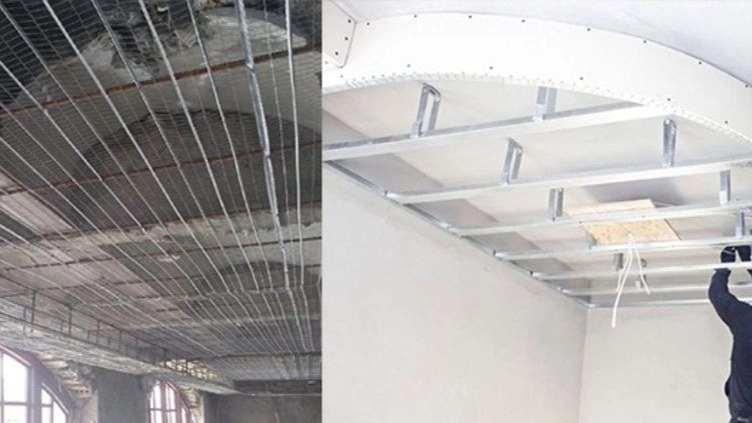
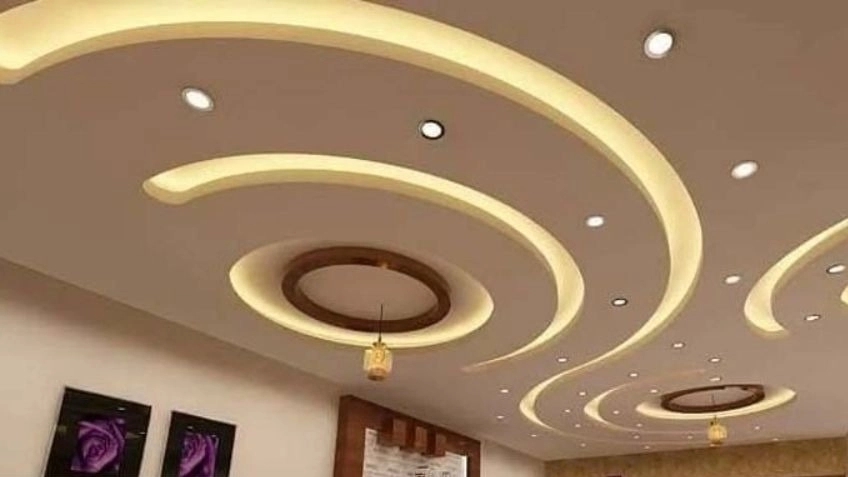
False ceiling and kenaf is one of the most common interior design and decoration methods used in buildings and homes. False ceiling means building a second ceiling that is lower than the main ceiling. The second roof is usually made of materials such as kenaf, wood or metal, and in some cases it is decorated with various decorations such as patterns or artistic designs.
What is a false ceiling?
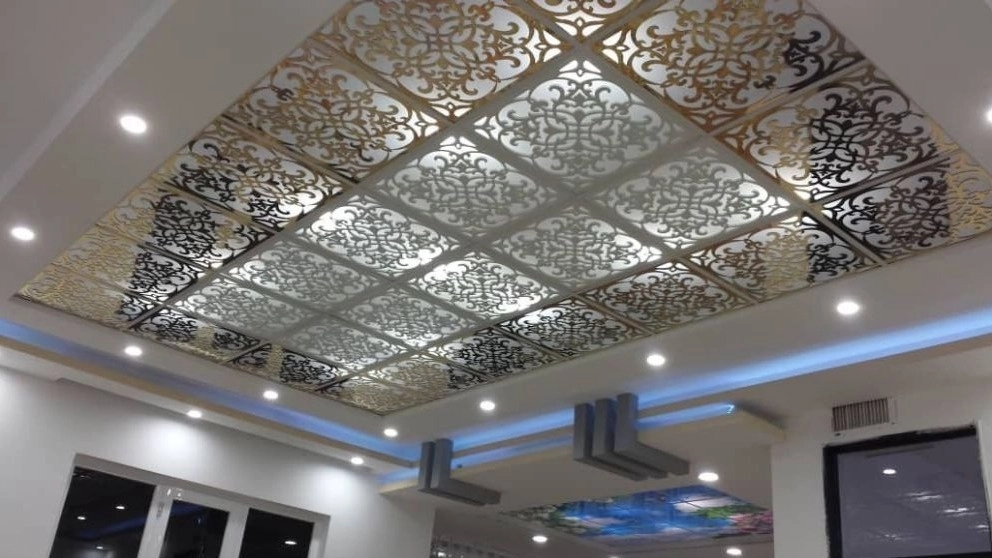
The benefits of using false ceiling
One of the advantages of using a false ceiling is to improve the appearance and beauty of the space. By using a false ceiling, you can take advantage of the interior of the building or interior space and change it in a more beautiful and attractive way. The false ceiling can also be used as a solution to hide the weak points of the building. For example, in old buildings that do not have the ability to cover electrical wires and ventilation systems, you can use a false ceiling to hide these weaknesses and give the space a beautiful and clean look.
What is the hemp?
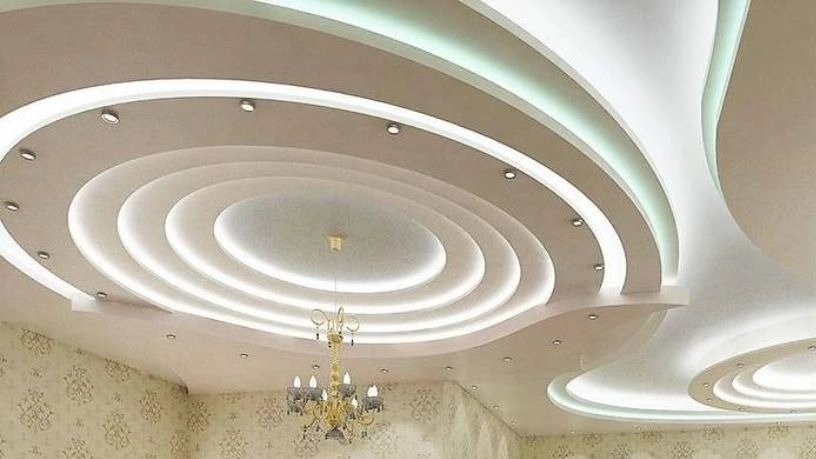
Benefits of using the roof
One of the main advantages of using the Kenaf roof is its design and flexibility. Kenaf can be made in different shapes such as cookies, waves or other artistic designs. Also, the Kenaf roof can act as a heat and sound insulator. This function can help reduce energy costs and increase comfort inside the environment. In addition, the Kenaf roof can also act as an anti-crack and water coating that prevents moisture and the damage caused by it. But the use of the Kenaf roof also has disadvantages. One of the main disadvantages of using Kenaf is its space. Due to the thickness of the shingle, this type of ceiling can add about 6 to 8 inches, which may be problematic in low-height rooms. In addition, the installation and maintenance of the Kenaf roof is relatively complex and requires expertise and precision.