
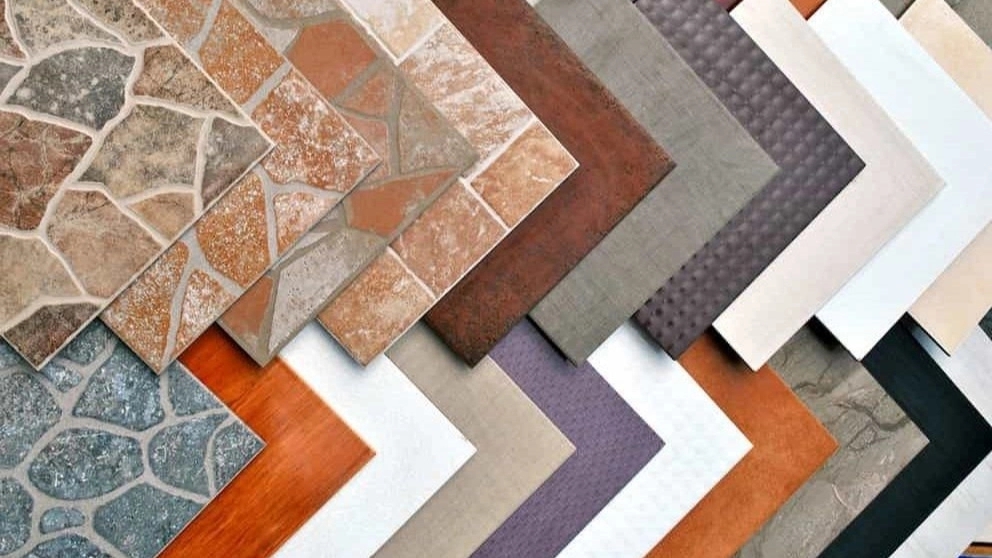


In general, terracotta pieces consisting of a body and a glazed layer are called tiles or ceramics. These parts can be square, rectangular or polygonal in special sizes. Ceramic tiles can be classified in terms of physical resistance, type of body, type of glaze and their application. br>- Pottery, which is the main component of the tile, was also called this part of the skeleton of the tile. It is what you see in the appearance of a tile.
Non-mineral materials are also called ceramics. Non-mineral substances mean the same as inorganic substances. The glaze on the tile can also be made of ceramic, which is called ceramic tile or ceramic.
Definition of tile:
In fact, the word tile is derived from the city of Kashan and has its roots in the tile industry of that city several centuries ago. In ancient times, this industry was limited to a kind of glazing, painting and even calligraphy on raw clay. But later, the Egyptians realized that by baking this clay, its resistance increases and they named it pottery. At that time, the use of these pottery was limited to making dinnerware. But today, with the advancement of technology, Beaufort tiles are installed and used on the wall in all buildings, especially sanitary environments, kitchens and other similar places. The equivalent of the word Kashi in English is Tile, which itself has roots in French literature.
Tile is a piece of artificial stone whose thickness is about a few millimeters. One side of the tile is the clay side and its skeleton, and the other side or the glazed tile has a polished and shiny surface. Clay and ceramic tiles are used in different parts of the house, such as bathrooms, toilets and kitchens. Tiles are divided into different types, which are usually based on the use or non-use of glaze. In fact, it is the glaze that distinguishes different types of tiles from each other. Another thing that is important in relation to tiles is the degree of porosity. The color in glazed tiles is applied on the surface after the body is baked. The variety of design, color and texture among glazed tiles is more than unglazed types. If the tile has a ceramic glaze, it will be called ceramic.
Ceramic Definition:
Ceramic, unlike tile, is entirely an English-Greek word and has a more general definition than tile. Basically, non-metallic and inorganic solid materials obtained by combining several minerals and firing at high temperature are called ceramics. These parts are divided into different groups such as industrial, household and laboratory. Ceramics have a very high resistance to heat, chemicals and radioactive materials and are considered very strong insulators against electric current. But in the construction industry, ceramic glazed parts are called ceramics.
From another point of view, in terms of chemical structure, all the materials obtained from the mixture of clay with sand and feldspar at high temperature and by the mass of glass As they become cohesive, they become hard and insoluble in solvents and become almost infusible, they are called ceramics. The clay used in the production of ceramics makes it soft and flexible. Sand is used to prevent creasing after drying. Feldspar is also used to reduce the firing temperature and form the mentioned mass in order to stick ceramic crystal particles. Ceramics vary depending on purity, additives, glaze, heating time, oxidants and reducing agents. The use of ceramics in various industries is very high. When this is used as a tile glaze, the final product is called ceramic.
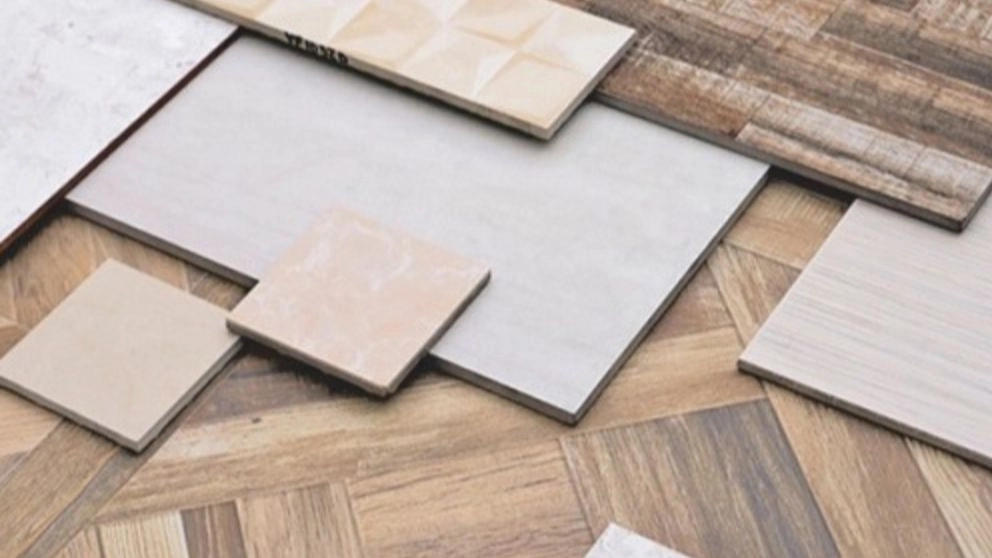
The overall differences of tiles with ceramic
- The firing temperature for ceramics is higher in the furnace.
- Usually, the production process of tiles is two-fired and ceramics are single-fired.
- Ceramics are usually thicker and have larger dimensions. .
- The bending and compressive strength of the tile is less, in fact, ceramic is more brittle and harder.
- Ceramic water absorption is less. Therefore, they are more resistant to cold, heat and frost than tiles. Some of them are also used for building facades in cold regions. There is a special type of ceramic called porcelain, which is very resistant to cold, heat, moisture, humidity and pressure, therefore, in addition to being used in the parking lot and yard and other similar places, they can be used in play environments such as building facades. .
- The tiles are more diverse in terms of color and design, and their glaze is more shiny. Because of its high resistance to pressure and wear, it is usually used for floors and places with high stress. Of course, in some cases, you can't use ceramic to perform on the walls and height because the water absorption power of ceramic is very low, which makes it very difficult to perform if it is used. used.
The appearance of the tile and the ceramic:
- The designs of the tiles are lighter because they are baked less.
- The thickness of ceramics is more than tiles.
- Ceramics do not change color over time and are resistant to sunlight.
- The variety of tile designs and colors is more than that of ceramics.
- In the past, the dimensions of tiles were smaller than ceramics, but now tiles are produced in various sizes.
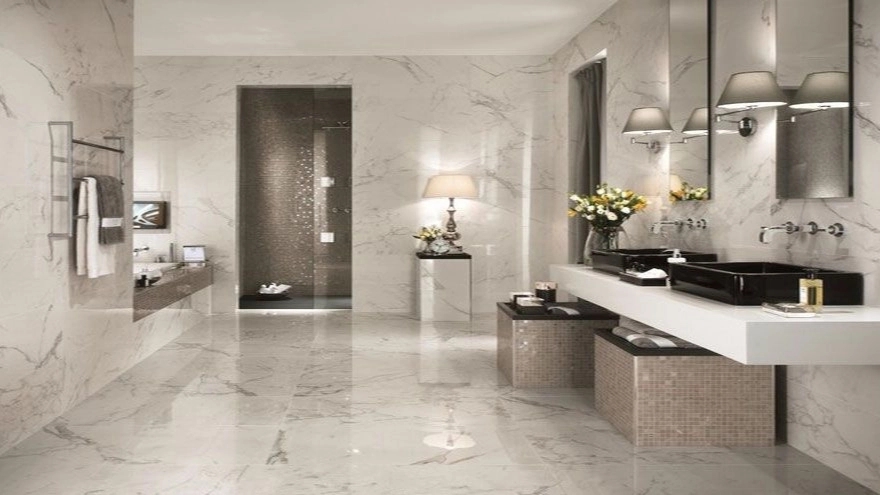
The structural difference between the tile and the ceramics:
- The tile is structurally composed of two parts. A tile that is made of clay and a glaze that forms its upper part.
- Ceramics are made of inorganic and non-metallic materials and a mixture of clay, sand, and feldspar.
- Ceramics are easier to clean because of their structure. They become.