
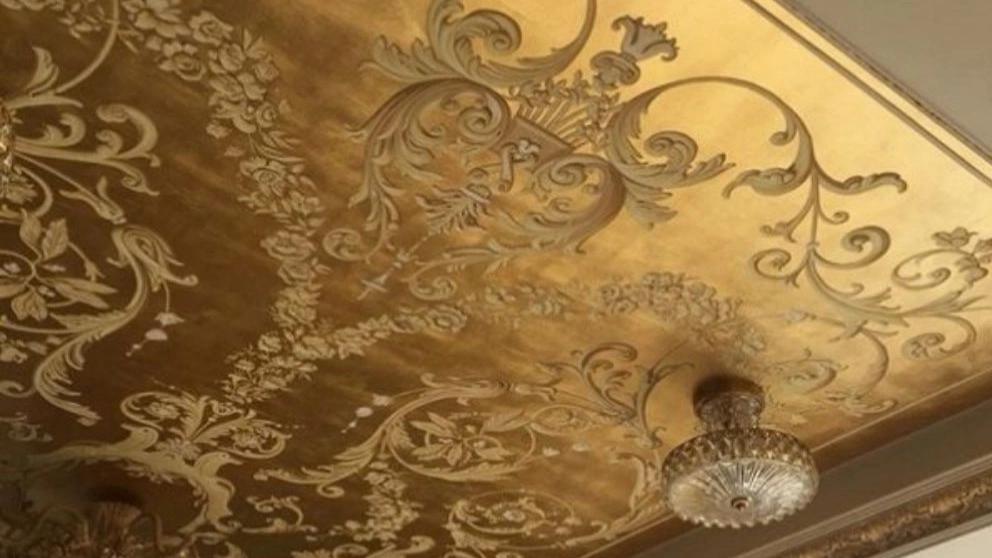
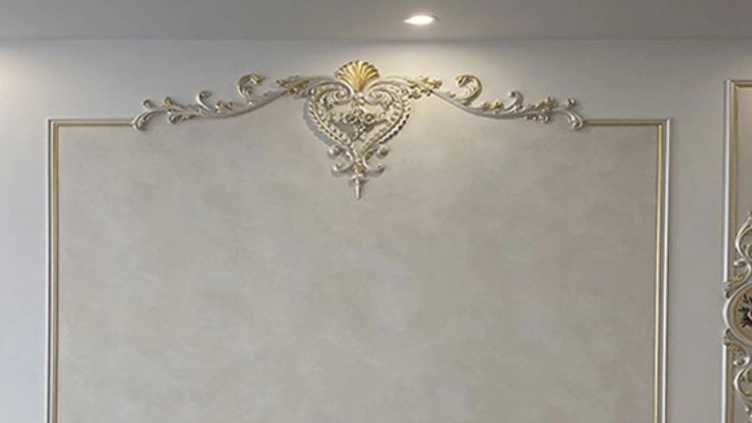
A variety of patina methods and techniques
Patina art has the possibility of high customization due to the high variety of manufactured products and the creation of different motifs with multiple materials; For this reason, it covers a wide range of tastes. In the following, we will get acquainted with some methods and techniques of patina art.
🔰 Painting method in patina work: In this method, various colors and materials are used to create the desired texture and color on different surfaces. Many tools are used for the patina painting method, among which we can mention: cloth, paper, brush and sponge. make the paint on the surfaces corrode; It means that a part of the existing color is removed from the desired surface. In this method, tools such as paper, sponge, and fabric are used.
Sponge patina technique: Sponges have a special structure that makes their use for patina art very desirable. The convenience and simplicity of this technique and its desired results have made it used in both modern and classic styles of patination. Sometimes the surface of the desired wall is painted first, and then a sponge dipped in paint is used to create random patterns or patterns. Sometimes, without painting the wall, a sponge soaked in paint is used directly.
Sponge is used in both methods of painting and removing paint. Only in the technique of painting with a sponge, be careful that the sponge has not absorbed a large amount of paint, because dripping paint will lower the quality of the work. All kinds of cotton and plastic fabrics are used. There are two ways to use fabric in patina art; One for painting and one for painting. In the painting method, the desired wall is first painted, and then a piece of crumpled cloth dipped in another color is hit on the same wall with slow and continuous strokes. The crumpled and colorless fabric is hit on different parts of the wall with a slow and continuous beat. With this method, a part of the paint on the wall is removed or so-called wounded, and a beautiful and random pattern is created on the wall.