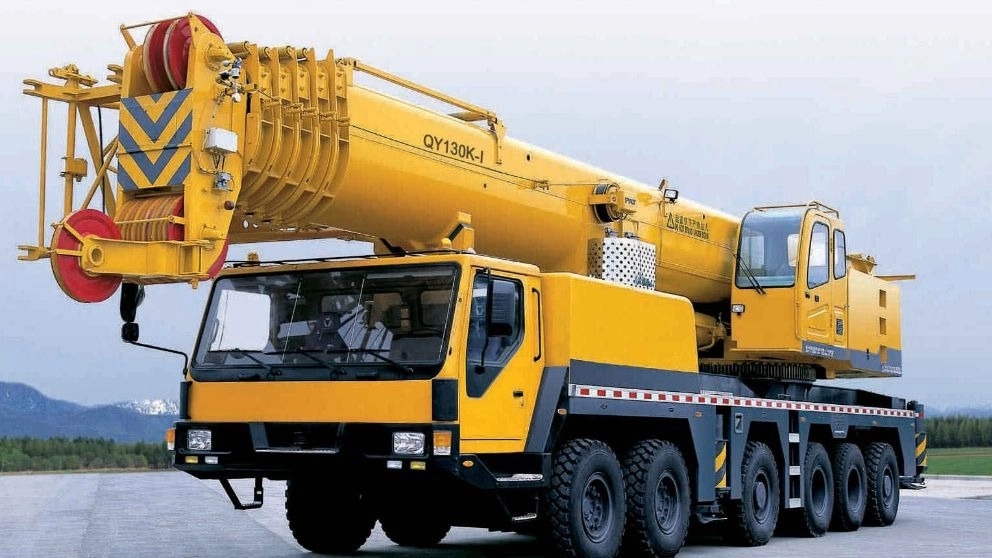


What is a crane?
Crane is a type of structure that consists of a combination of simple machines and is used to lift and move heavy materials and objects.
The tallest part of the crane is called the mast, which is supported by a heavy base to ensure that it has the ability to lift heavy weights at a higher height.
Cranes use one or more simple devices that give them the ability to transfer loads beyond human power to increase their mechanical strength.
These structures are mainly used in the transportation industry to help load and unload cargo, assemble equipment in the production industry, and help move materials in construction.
1. Ceiling crane
These types of cranes are used to move heavy objects and were used for the first time in ancient Egypt, and these cranes were used to move very large stones that were chosen to make Egyptian levers.
But the shape of the overhead cranes of that time was different from the overhead cranes of today and consisted of a very simple structure including rope, pulley and hook.
But today, with the advancement of technology, various features that make heavy objects easy to move and carry have been added to these structures, and these devices are made of hooks, beams and cables connected to the hook that has the ability to lift objects. Is .
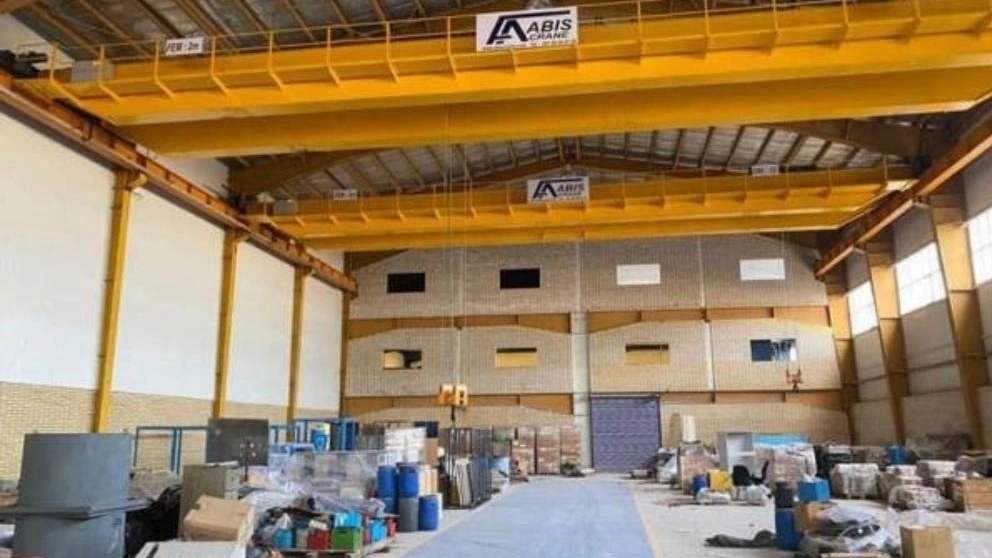
Overhead cranes are made in two types: single bridge and double bridge.
The single-bridge type of these structures is used for installation on the roof in maintenance sheds and corridors, and equipment such as rakes, magnets, cabins, etc. can be installed on them.
Single-bridge overhead cranes have the ability to carry loads of up to 20 tons, and they are installed in halls whose span is less than 15 meters.
If these structures are installed in the maintenance corridors, they have the ability to access the lifting winch.
2. Gate crane
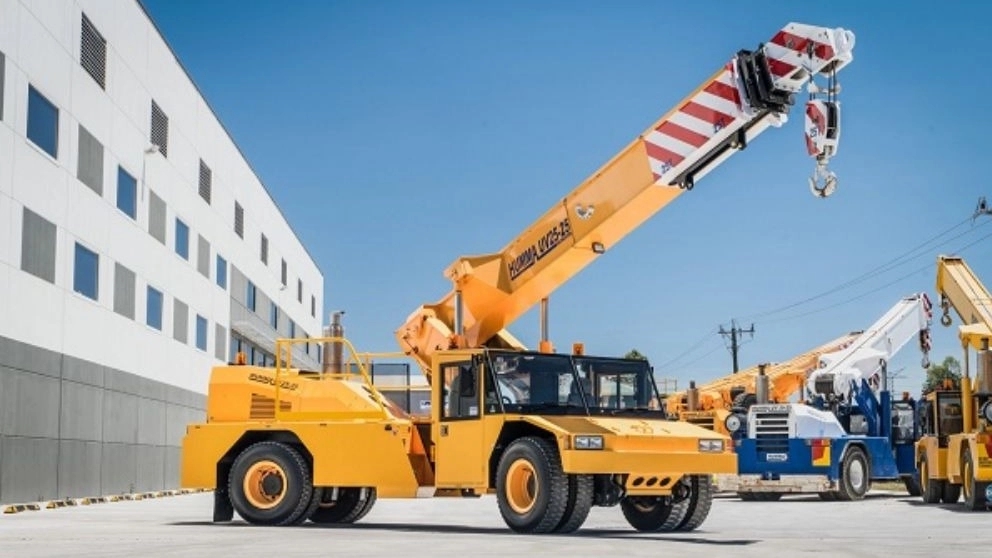
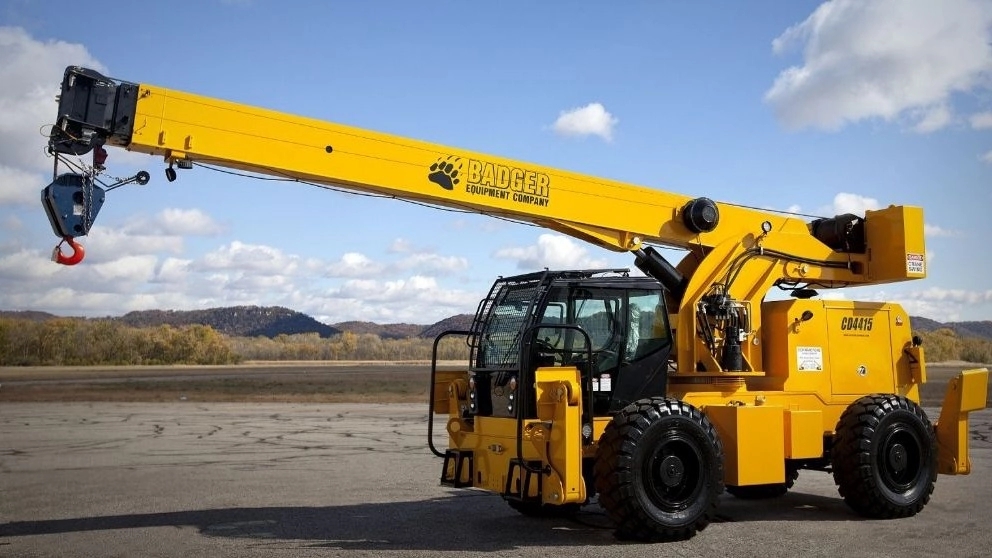
1. Arm crane
In these types of structures, the carriage and lifting system move on a rotating axis and boom.
When the rotating axis is installed on the ground, this structure can rotate 360 degrees, but if the rotating axis is installed on a part of the crane, it will only have the ability to rotate 180 degrees.
The rotation of the arm in these types of structures has two functions: manual or motorized.
Arm cranes are more affordable than overhead and gantry cranes and have lower installation, commissioning and repair costs.
These devices can carry and move loads with a capacity of less than 10 tons and have the ability to move in six directions.
In addition to installing these structures in the column in the hall, in special cases, they can also be installed on an independent column.