One of the main factors of deterioration and shortening of the life of the building is the penetration of moisture into it. In order to prevent its penetration, appropriate waterproofing should be used in every part of the building where there is a possibility of moisture penetration.
Waterproofing is coverings that, by combining with other materials and using them on the roof, roof, bathroom, swimming pool, etc., prevent moisture from entering inside. Moisture penetration in the building can cause problems such as rusting of metals, growth of mold and fungi, freezing of structures, etc. to be
As you know, problems such as leaking or bursting pipes can cause a lot of damage, but if we use proper insulation in the building, we can reduce these damages to a large extent.
Today, with the advancement of technology, the ways and methods of moisture insulation have expanded a lot and have been able to solve one of the great concerns of humans.
We can divide waterproofing into two general categories, each of which has different types.
moisture insulators based on how to execute
Moisture insulations can be divided into two categories based on the method of implementation: "hot-run" and "cold-run".
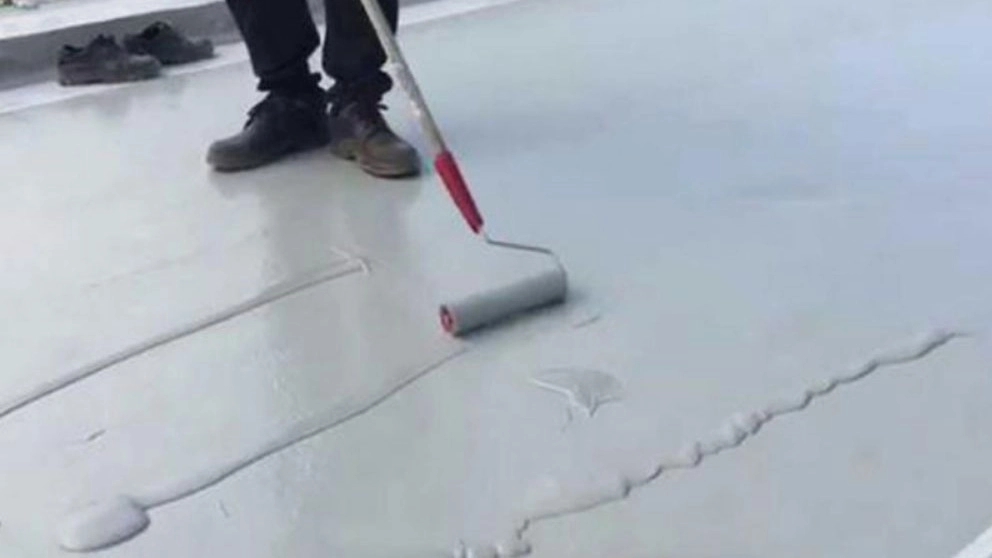
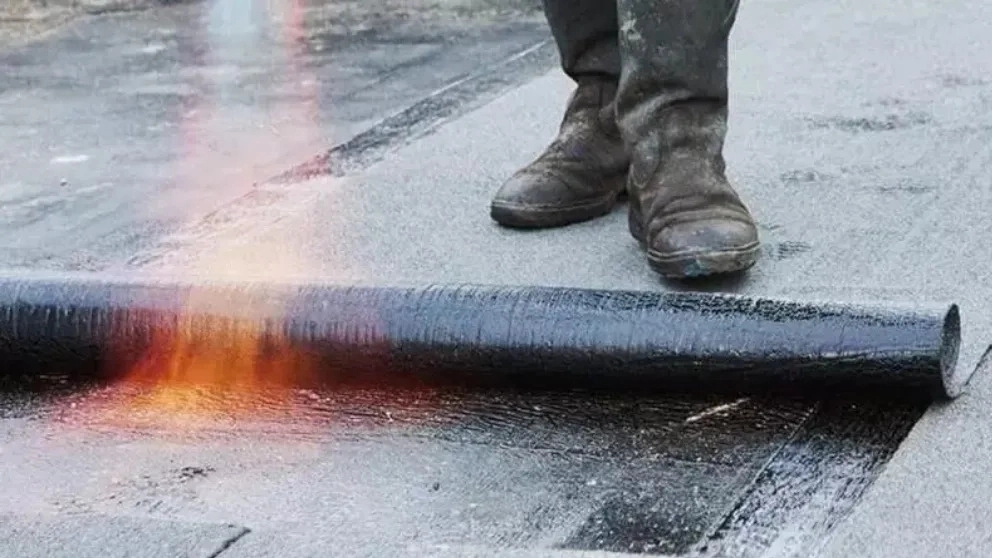
Hot-applied waterproofing materials are those that are attached to the desired surfaces using heat, but to implement cold-applied waterproofing materials, you just need to mix their components together and use them.
moisture insulators based on the ingredients
In addition to water, most waterproofing products are also resistant to UV rays. Next, by checking the types of waterproofing based on the ingredients, you can choose and buy the waterproofing that is right for you.
nano -moisture insulators
In the construction industry, usually all insulations that are made based on new technologies are called nano insulations, which are a subgroup of polymer insulations. Nano insulation can be used as a thin layer on the desired surface such as roof, wall, etc.
One of its strengths is its resistance to fungus and mold, as well as its hydrophobicity due to the use of nanotechnology.
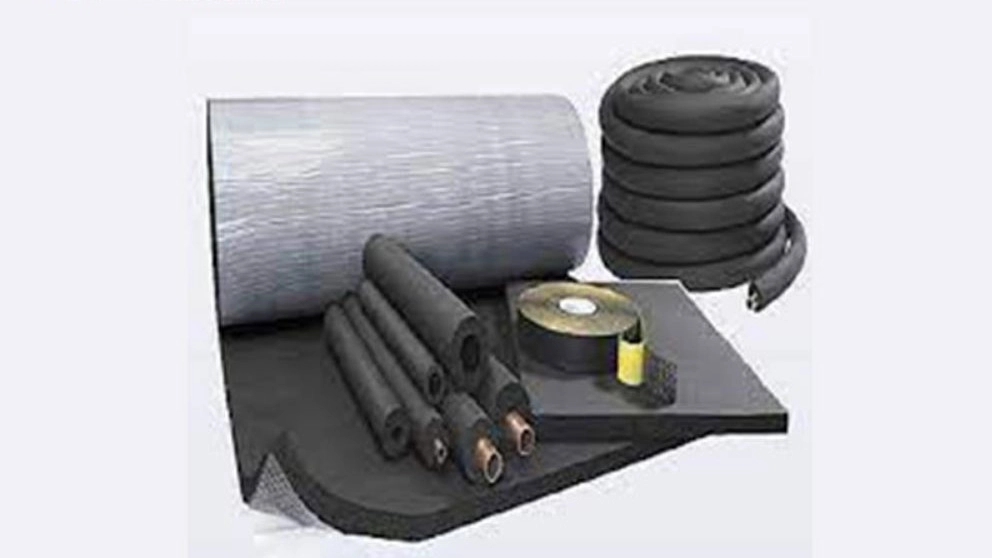
bitumen -based moisture insulators
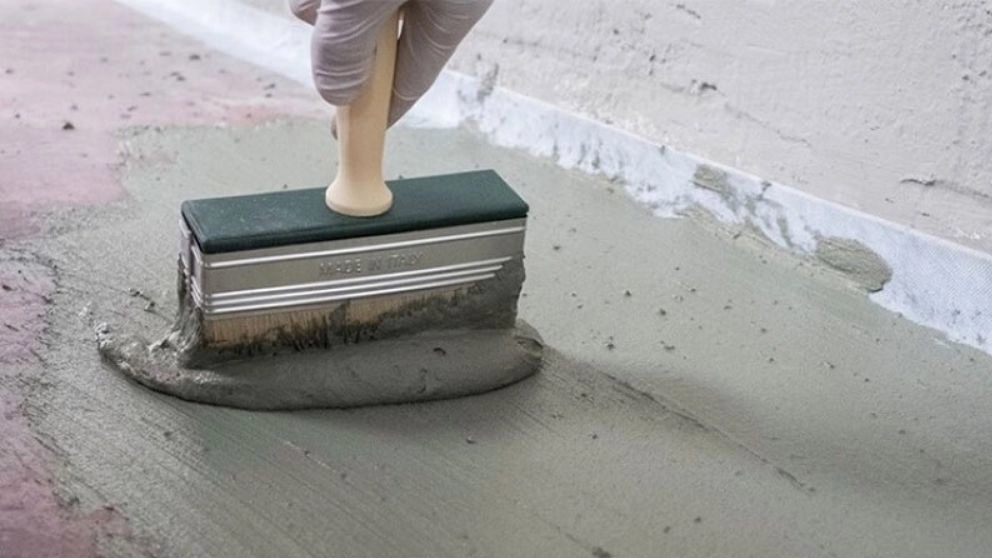
cementitious moisture insulators
In this group of insulators, polymer materials are used to increase adhesion and flexibility, and for this reason, they can be considered a subset of polymer insulators, although in some cement insulators, nanoparticles are also used for better results.
These insulators are mostly used to insulate wet places and building walls because they have high resistance to erosion. But note that the use of cement insulation is not recommended in places where there is a possibility of cracking.