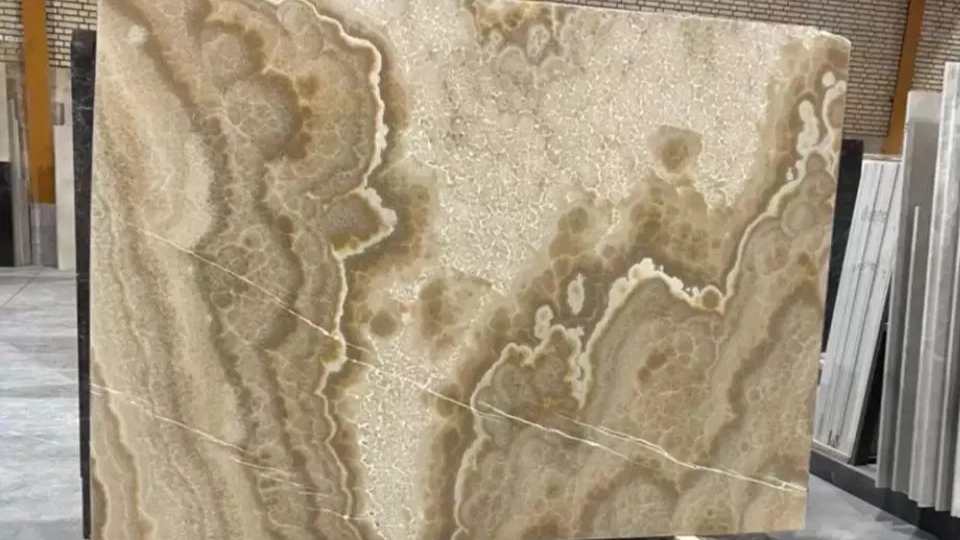
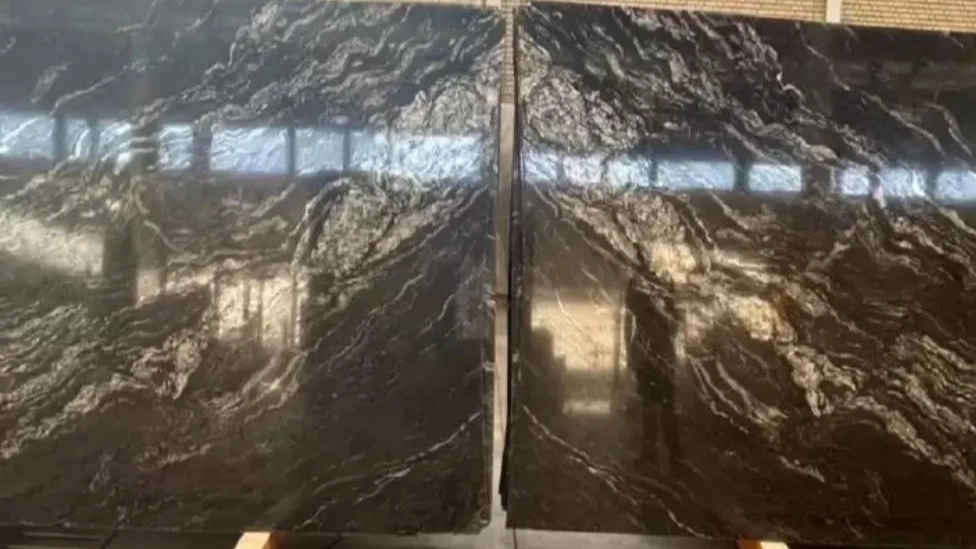



Travertine stone is a kind of decorative stone that belongs to the category of porous limestone. These stones are actually left from the deposits of hot water springs, and the holes on the stones are caused by gases trapped in these hot waters. The variety of colors and high patterns of travertine stones make them an ideal and wide choice for designing facades of buildings and walls. And the floor of swimming pools has become flooring and cobblestones.
Travertine stones are usually available in ivory white or completely white and caramel colors. More common colors are naturally more affordable, while stones with rarer colors often have much higher prices. They have a lower price than other colors. The color of each stone is the result of the salts and elements that are present in the hot water of the stone's origin.
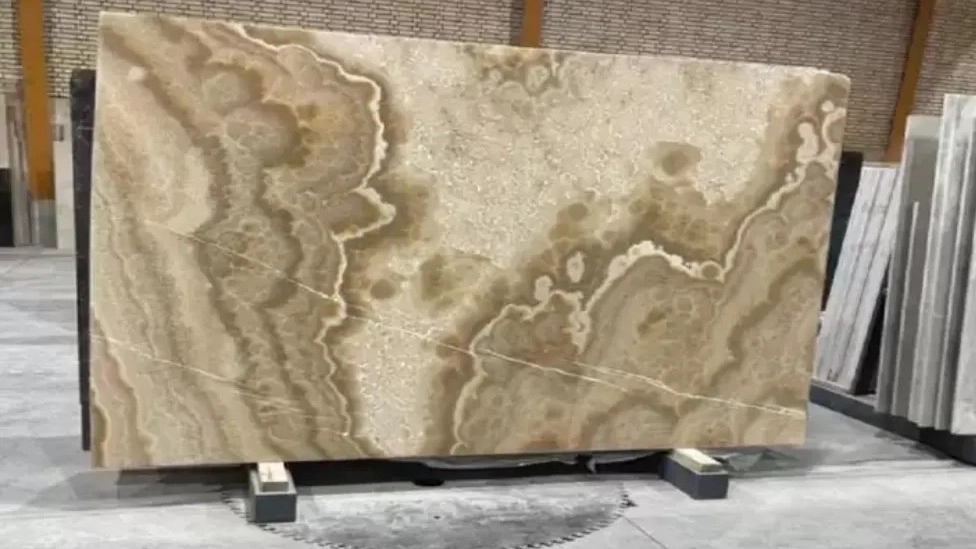
The lower the amount of dissolved elements and elements in these waters, the brighter the color of the stone, and more elements make the stone darker and more expensive. There are special and popular colors such as brown, gold and gray, which are sold at very high prices and have their own buyers. The long life and extraordinary high resistance of travertine stones is another important competitive advantage. Travertine stones usually travel long distances to reach their destination and often do not suffer much damage along the way. Besides, they also have high chemical and thermal resistance and are especially suitable for cold environments in higher thicknesses.
Of course, it should also be remembered that travertine stones are usually vulnerable to continuous freezing and thawing, and for this reason, thin thicknesses of these stones should not be used in cool spaces and environments.