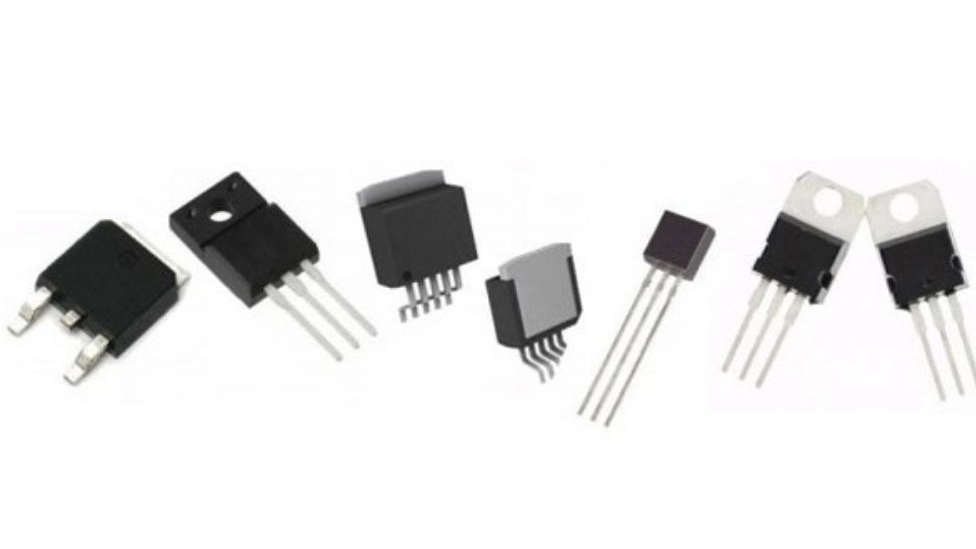
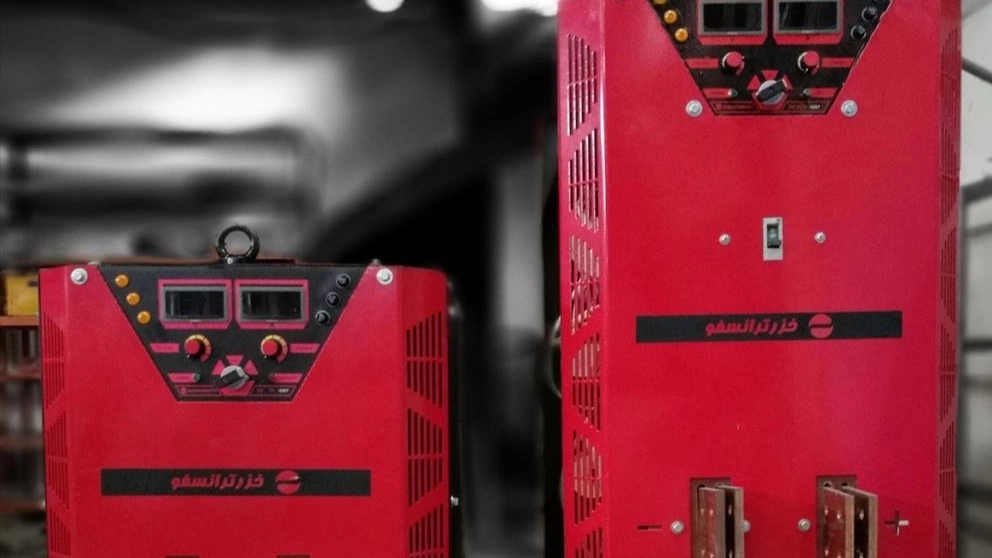
What is the regulator?
The word "regulator" is derived from the verb "regulate" which means to adjust. Therefore, the regulator means the regulator. The main function of the voltage regulator is to adjust the voltage of the electronic circuits to the desired value. Suppose we have an electronic circuit with a 24 V input power supply, which includes a 12 V relay, a 5 V LCD and a microcontroller with a 3.3 V supply voltage. Is. The regulator allows us to create all these voltages with the lowest level of distortion with the same 24 V input.
Types of regulators
Linear regulator
Linear regulators only work in a decreasing way. In these regulators, the input voltage is converted to a voltage lower than the input voltage by transistor circuits. In this case, overvoltage is placed on both ends of the regulator and causes power loss in the regulator (in the form of heat and heat). One of the most famous linear regulators is the 78xx family regulators, such as the 7805 regulator.
Switching regulator
In these regulators, unlike linear regulators, the energy loss is very low, and the voltage is reduced or increased by the inductor and capacitor, which are energy storage elements. One of the disadvantages of the switching regulator is the need for a large inductor and capacitor on the circuit, which increases the cost of construction and takes up a lot of board space. One of the most famous switching regulators is the MC34063 regulator.
Fixed voltage regulator (Fix)
In constant voltage regulators, the output voltage is always a constant value. For example, the output of the 7805 regulator is always a constant value of 5 volts
Variable voltage regulator (adj)
In these regulators, the output voltage of the regulator can be adjusted by the resistors that are placed on the ADJ base of the regulator.
78xx family regulators
78xx regulators are a family of constant voltage linear regulators. The numbers after 78 in the part number of this regulator represent the output voltage of the regulator. For example, the output of the 7805 regulator is +5 volts and the output of the 7812 regulator is +12 volts. The maximum output current of these regulators is 1.5 amps. Another category of these regulators are 78LXX regulators. In these regulators, the maximum output current is 100mA.
79xx family regulators
79xx regulators are a family of constant voltage linear regulators. The specifications of these regulators are similar to 78xx regulators, but this family is used for negative voltage regulation. For example, the output of the 7905 regulator is -5 volts. It should be noted that the input of these regulators must also be negative voltage. For example, to get -5 volts at the output of the 7905 regulator, an input voltage of -7 volts or less is needed.
Family regulators 1117
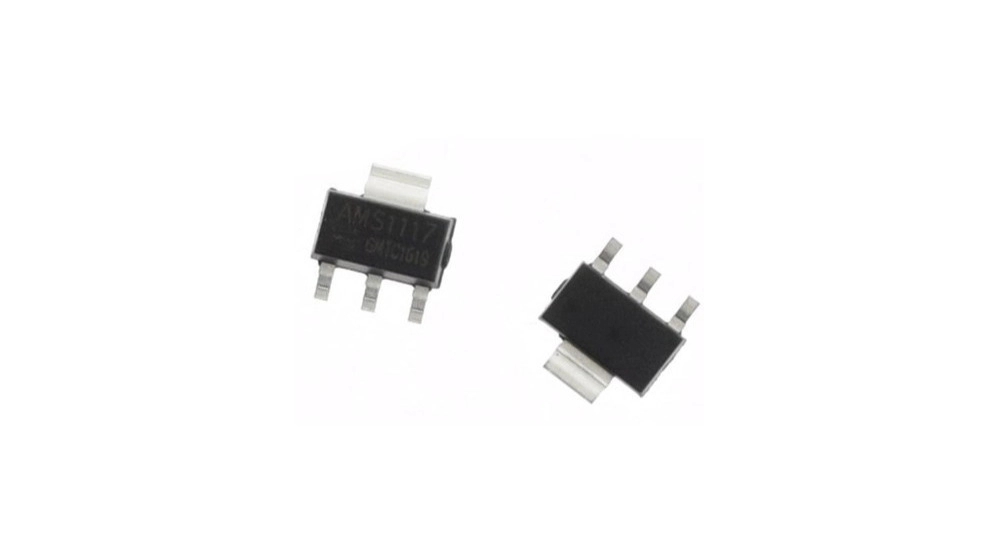
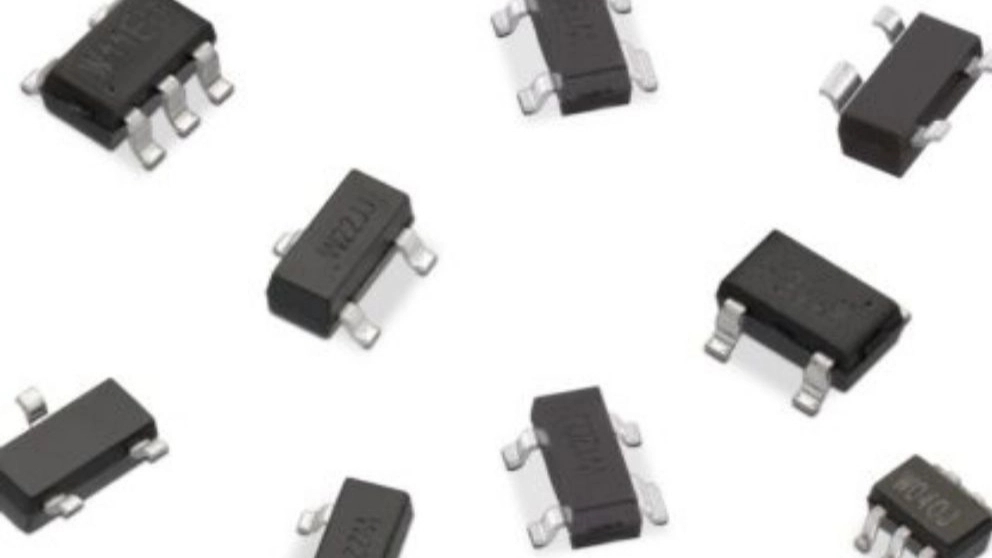
1117 regulators are also from the family of linear regulators. This family is usually used to produce an output voltage of less than 5 volts. These regulators are available in two types of constant voltage and variable voltage. For example, AMS1117-3.3 is a constant voltage regulator with an output of 3.3 volts and AMS1117-ADJ is a variable voltage regulator with a maximum output of 15 volts. . The output current of this family is around 800 milliamps.
LM317 regulator
The LM317 regulator is also from the family of linear regulators, but of variable voltage type. This regulator is able to provide the output voltage from 1.25V to 37V with a maximum current of 1.5A at the output. This regulator can be easily used to make a home power supply.
LM2576 family regulators
2576 regulators are from the group of step-down switching regulators with high current capability up to about 3 amps. These regulators are available in the market in both HV and normal models. The maximum input voltage of normal models is 40 volts and 60 volts for HV models.
These regulators are available in two types of constant voltage and variable voltage. ADJ type (variable voltage) This regulator is able to produce voltage from 1.23 volts to 3 volts lower than the input voltage level in the output. This regulator is also available in the market as a ready-made module (complete circuit with inductor and capacitor).