

In areas that have a more balanced climate in winter and there is no risk of freezing, closing the pool in winter is not important, but in areas where the temperature drops in winter and there is a high chance of freezing, closing the pool in winter It becomes necessary. Many pool owners are not familiar with the process of winterizing the pool, but according to the following points, know that covering the pool and winterizing it is not a difficult task. Observing these tips and acting on them will help you protect your pool from damage in the fastest and easiest way in winter.
a few tips to close the pool in the winter
Pool Water Chemical Level Adjustment
Before closing any pool, make sure the water is chemically balanced using a test kit. Having an unbalanced water during the winter prevents the corrosion and precipitation that occurs chemically in the winter. The chemical levels in your pool should be as close to these numbers as possible:
>
You can buy pool water chemical test kits, check the products of Saina Aria Purification Company that you need to purify your water in a simple package.
Collecting pool equipment
Around and around the pool, equipment such as furniture, umbrellas, pool ladders, etc. are usually used. Remember to collect or cover all of this equipment. Use a covered area to store your accessories, to protect them from the winter elements and keep them in good shape for next year. Taking the time to properly maintain these items now can save a lot of money later.
Cleaning the pool and pool equipment
Brush the sides and bottom of the pool and make sure there is no dirt that is not from algae growth. If you notice algae anywhere, do not close the pool. Clean the water with a quality algaecide and sweep away the dead algae before proceeding. Also, sweep up any dirt and loose debris to prevent staining. Clean the pool filter, skimmer and strainer. Be sure to empty the pool chlorine. Clean and store the cartridge and diatomaceous earth filter elements. Grids If a strong blast with the water hose isn't enough to remove dirt from the filter or grid, use a filter cleaner to help break down oil, minerals, or sediment that has built up over the summer. Finally, if you're using a sand filter instead, wash it one last time a year.
Add winter chemicals
Using a quality chemical test kit, add the chemicals from the deep end of the pool first and Move towards the shallow end and spread them evenly across the surface.
Lowering pool water level
In above ground pools, place a freeze protector in the skimmer or block the skimmer with a skimmer protector and line Connect the return. Alternatively, lower the water below these levels. In in-ground pools, lower the pool water to below the skimmer. Note that, never completely drain an above ground pool! Because it may cause the pool to collapse.
Drain Pool Pump and Filter Piping
In above ground pools, remove any detachable flexible hoses and all drain plugs from pump, tank Remove the filter and other equipment. Follow the manufacturer's instructions for the specific equipment. And in above-ground pools, if pool plumbing is difficult, use an air compressor or Shop Vac (attached to the blower side of the sweeper) to remove water from the system by forcing air down the skimmer and through the plumbing.
Cap the return lines using threaded plugs, or if they are not threaded use expandable rubber plugs. Add a non-toxic pool antifreeze by pouring it into the skimmer. Use a gallon of antifreeze a few feet from the pump to the pool. Never use car antifreeze! Disconnect and store all drain plugs from the pump, filter tank, and other pool equipment.
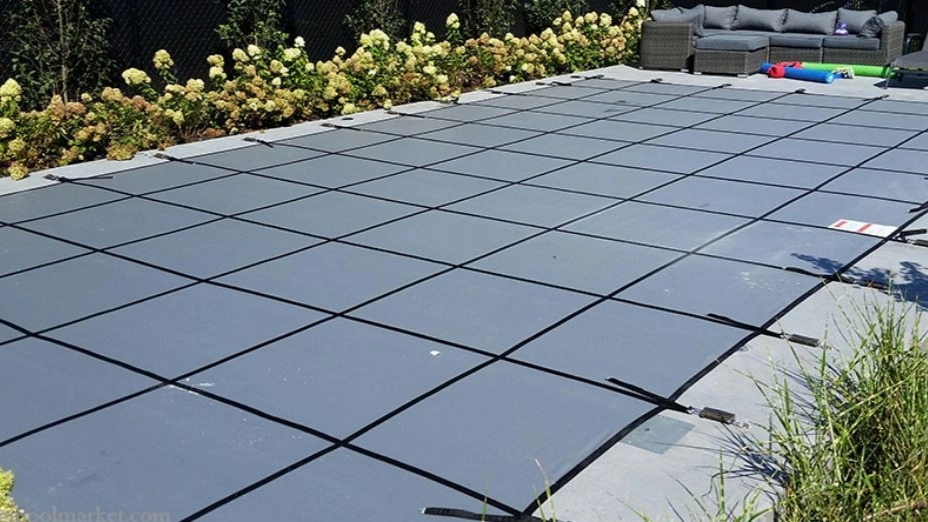
Covering the pool in winter
Now is the time to cover the pool. Use winter covers to cover your pool. Pool covers prevent the pool and pool equipment from debris and pollution that may enter the pool and it is less work when opening the pool.