◼️ Ordinary irrigation hose
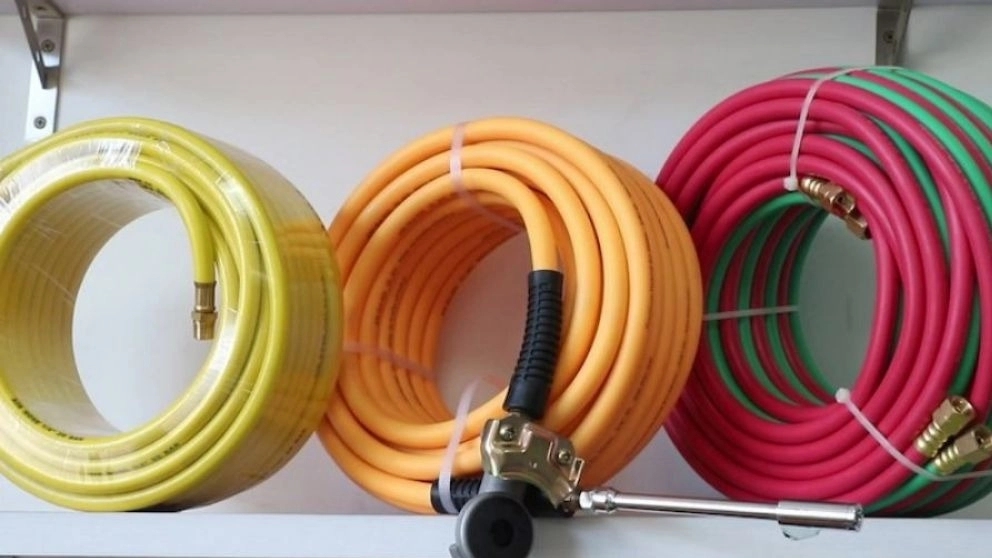
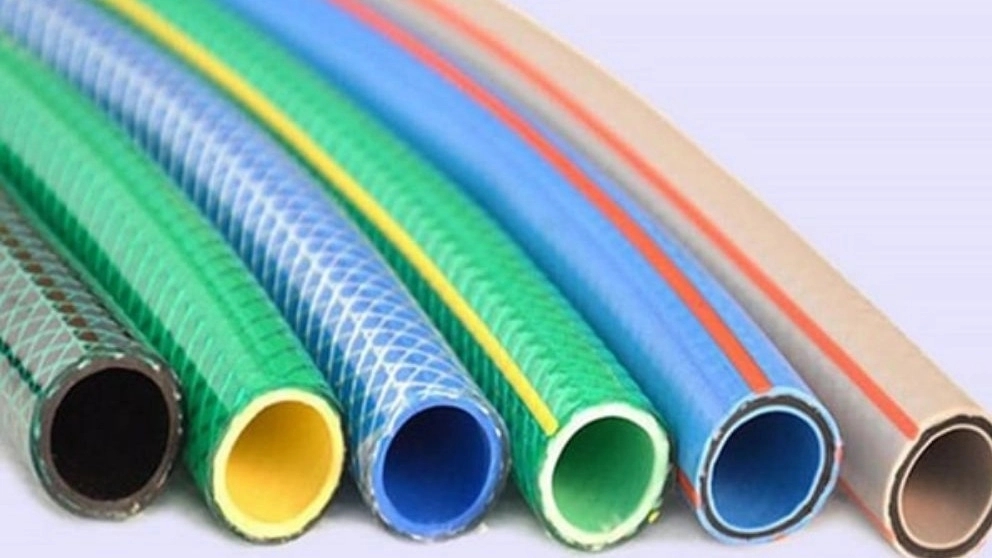
Conventional irrigation hoses are often made of plastic, vinyl (PVC), and polyurethane, and sometimes have multiple layers. Hoses made of vinyl bend easily, are heavy, inexpensive, and have a short lifespan. Woven yarn fibers are used in the structure of these hoses to increase their durability. PVC hoses are ideal for light watering of lawns, flowers and houseplants in mild climates. Plastic hoses are more durable and are more suitable for use in hot and cold weather. These hoses have good resistance to sunlight, have high flexibility and are designed for irrigating smooth and uneven surfaces. Polyurethane hoses are light and slightly rigid and are usually used for quick watering of greenhouses.
◼️ Drop irrigation hose
The drip irrigation hose allows the water to penetrate slowly and directly to the roots of the plants. This method reduces water evaporation and minimizes weed growth. Drip irrigation hoses are often made of materials such as polyethylene or PVC. Polyethylene irrigation hoses are usually produced in black color and have a higher thickness and density than Polyca pipe. These hoses are highly resistant to pressure, abrasion, sunlight and chemicals.
◼️ Selected irrigation hose
Another type of irrigation hose is called a soaking hose. A soaker hose is actually a pipe made of porous material that allows water to pass through its walls and penetrate the soil. Soaking hoses are suitable for irrigating large areas; Because they distribute water equally. Porous materials prevent water from pooling in one spot and provide uniform irrigation throughout the field. These hoses are designed based on drip irrigation technology and deliver water slowly and uniformly to the roots of the plant. Soaker hoses are usually made from recycled rubber or polyurethane.
◼️ Rainy irrigation hose
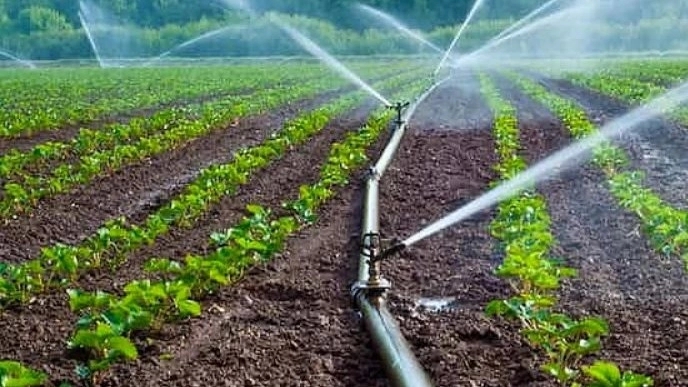
Sprinkler irrigation is a type of high-efficiency irrigation that is carried out by Asa Flex hoses or perforated collapsible pipes. Among the advantages of rain irrigation hoses, we can mention their high resistance to sunlight, chemicals, corrosion and impact, which increases their useful life and makes them usable for several plantings.
◼️ Sprinkler irrigation hose
These perforated hoses create a misty spray of water particles and cover a surface at least 3 meters wide. The small holes on the hose can be placed facing up or the hose can be adjusted so that the holes are facing down. This type of hose is not suitable for watering narrow places where it is impossible to keep the hose straight.
◼️ Flat irrigation hose
Flat hoses, like fire hoses, curl as water flows through them. It is light weight and easily unloaded and collected. They are flexible and bend easily. They are not suitable for watering corners and perform best in limited spaces.
◼️ screw irrigation hose
These irrigation hoses are in the form of strong spirals that are used in small areas such as balconies or patios. They are usually between 15 and 25 feet long and half an inch or less in diameter.
◼️ Extensible irrigation hose
These hoses can expand up to three times when filled with water. They are lightweight and about half an inch in diameter. The inner tube of these hoses is made of latex and their outer cover is made of polyester thread. They are highly flexible, so that they open automatically when the water is turned on, and they retract when the water is turned off.
◼️ Fabric irrigation hose
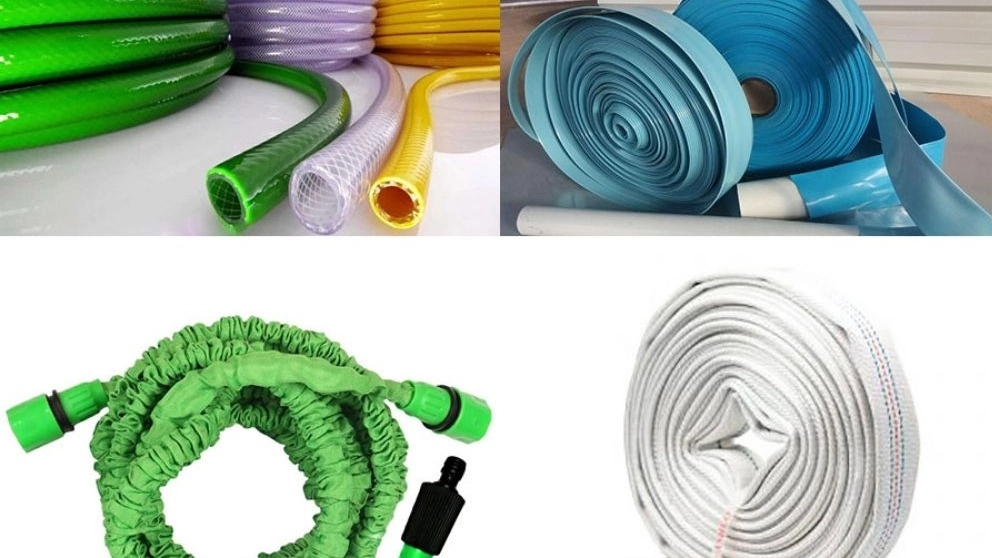
Fabric hoses are very light weight and their surface consists of woven polyester fabric with PU lining. These hoses have high flexibility and pressure tolerance and are resistant to erosion. They are suitable for use in different weather conditions and are resistant to sunlight and frost. They are easily transportable and suitable for agricultural and horticultural irrigation.