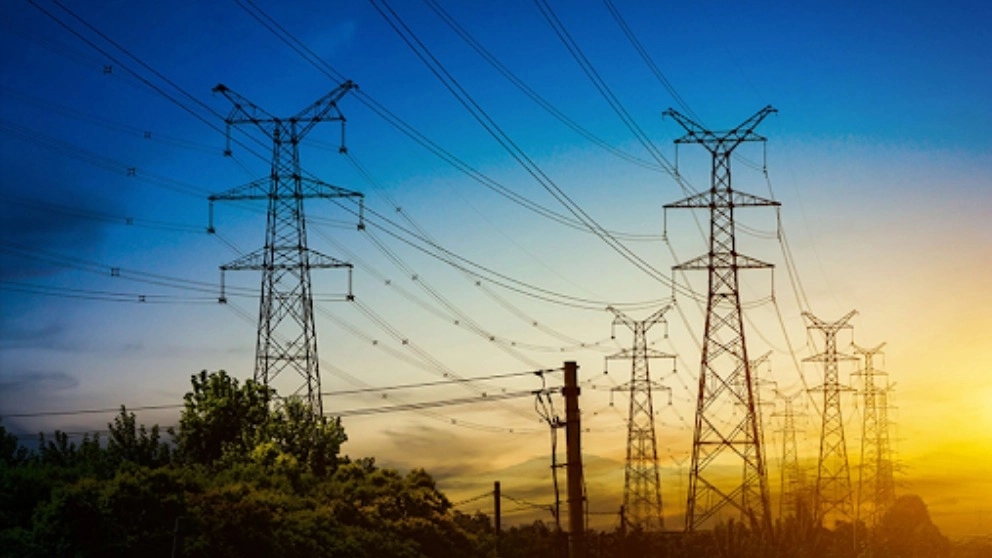


Electricity is one of the most important needs of humans in today's world. Electricity, as one of the main energies, is required for many of our daily activities and functions. The electricity distribution company delivers electrical energy to consumers through power transmission lines.
What are the power transmission lines?
Power transmission lines are one of the most important parts of the power system that are used to transfer power from power plants to final consumers. These lines, by means of large transformers, convert the electricity produced in the power plants from low voltage to high voltage. Then, the electricity is transferred to the electricity distribution infrastructure to be delivered to the final consumers.
How to work
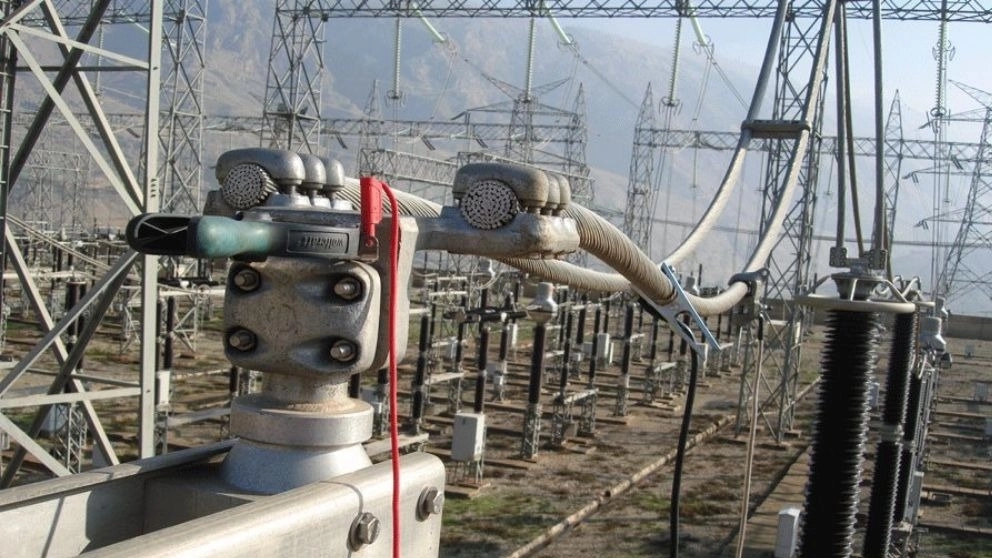
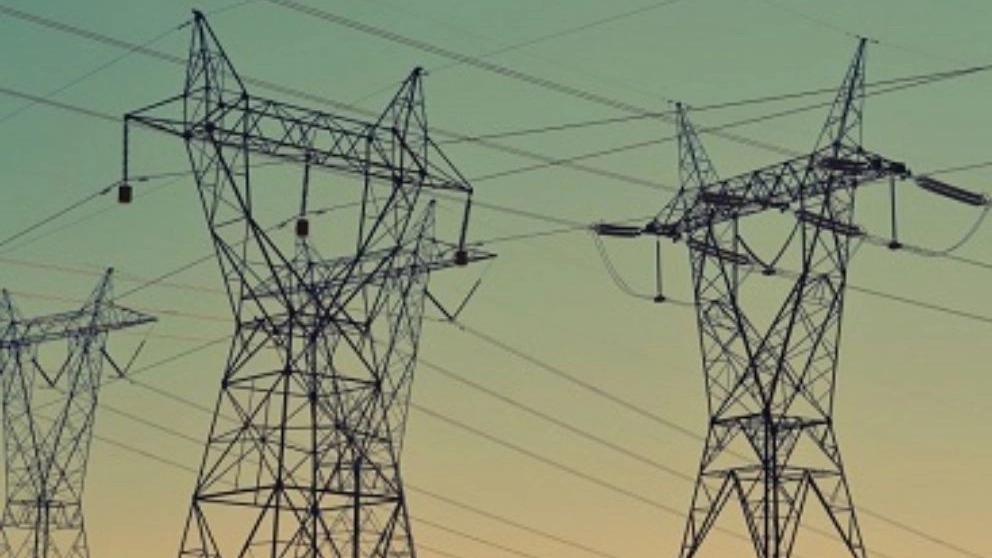
Electricity transmission lines are converted to high voltage by means of large transformers to be able to transmit electricity to longer distances from power plants. In this process, power transmission lines are installed by tall towers to support them. Electricity flows from one side of the transmission line to the other side through the metal wires inside the transmission line.
Types of power transmission lines
Air transmission lines
Sub transmission lines
Underground transmission lines
Overhead transmission lines are lines that transmit electricity to consumers using air. These lines consist of metal wires mounted on two tall towers. Overhead transmission lines are usually used to transmit electricity over long distances in areas where land lines cannot be installed. These lines are used for high-voltage power transmission and must be regularly inspected and maintained in order to avoid danger to people and the environment due to wind and storms.
Underground transmission lines are lines whose electric cables are installed underground. These lines are connected to two electrical sources as cables with special insulation and transfer electricity from one point to another. One of the advantages of underground transmission lines is that they preserve the beauty of the urban landscape due to the absence of columns and towers. Also, these types of power lines are very suitable for cities and regions that cannot use overhead power lines due to space limitations. However, one of the problems that underground power transmission lines have is the cost of their installation and maintenance, which is much more than overhead power transmission lines due to the need to dig holes in the ground and heavy work.
Sub-transmission lines are lines that transfer electricity from main transmission lines to final consumers. These lines are different from the main power transmission lines due to the lower voltage and smaller diameter of their cables. Substation transmission lines are usually installed in towns and villages and carry electricity to homes, shops, and other buildings.
Voltage of transmission lines
Power transmission lines are divided into two main types: high voltage transmission lines and extra high voltage transmission lines. High pressure transmission lines are lines whose voltage is higher than 230 kV. These lines are converted to higher voltage through large transformers and are used to transmit electricity from large power plants to cities and industries.
High voltage transmission lines are lines whose voltage is more than 800 kV. These lines are used to transmit electricity to longer distances and in international distances.
The above transmission lines are the lines whose voltage is more than 800 kV. These lines are used to transmit electricity to longer distances and in international distances.
Challenges of power transmission lines
Power transmission lines are supported by tall towers. However, there are also challenges that can be problematic for power transmission lines. Some of the important challenges are:
- Lack of attention to the environment: installing power transmission lines may lead to damage to the environment. For example, the installation of power lines in areas sensitive to deer or wildlife may be problematic for them.
- Need for maintenance: power transmission lines need maintenance due to exposure to natural factors such as wind, rain, snow, etc.
- Security problems: power transmission lines may be compromised due to terrorist attacks or other security problems.